
In 2024, too, Japanese international news coverage largely focused on only a limited subset of stories about the world. For example, the U.S. presidential election, with voting held in November 2024, dominated international coverage from January and drew major attention throughout the year. Other topics that received extensive daily coverage included political tensions between China and Taiwan; the situations in Russia–Ukraine and Israel–Palestine; and the declaration of martial law in South Korea.
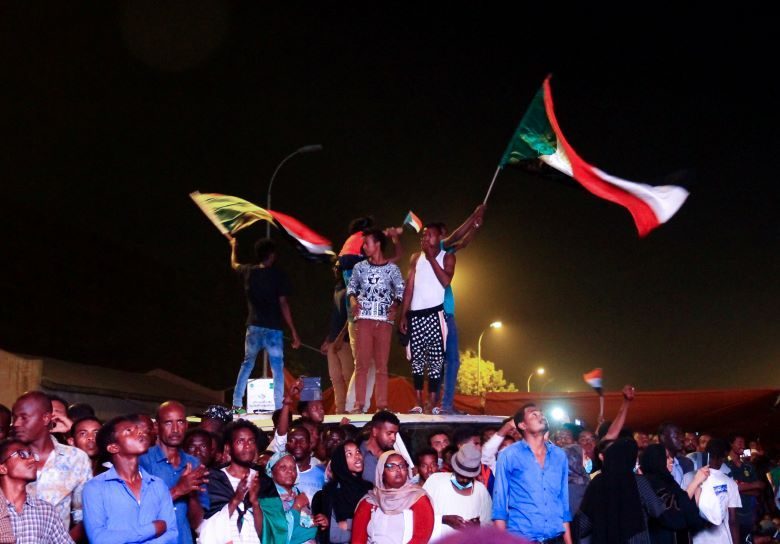
While coverage concentrated on a handful of such topics, there were also many serious issues that received little to no attention in Japanese media. For instance, the conflict in Sudan that has continued since 2023 has left about half the population—25 million people—needing humanitarian assistance and is being called the largest humanitarian crisis on record since tracking began. Yet the amount of coverage has been extremely small relative to the scale of the crisis, with major newspapers reporting on it only a few times each in 2024. For example, in the Asahi Shimbun, this conflict was covered in only about one-fortieth as many articles as the Russia–Ukraine war and about one-ninetieth as many as the Israel–Palestine conflict (Note 1). Beyond this, among the events in 2024 that had major impacts on societies and people’s lives, many were barely reported—or not reported at all.
At GNV, each year we compile major but underreported stories into a ranked list titled the “Top 10 Hidden World News.” This time, we present in order the 10 events GNV selected over the course of 2024. The detailed criteria used to determine the ranking (Note 2) and our method for measuring the amount of coverage (Note 3) are provided in the footnotes. Now, let’s look at the Top 10 Hidden News of 2024 starting from No. 1.
目次
No. 1 One in eight girls under 18 worldwide faces sexual assault
According to a report released by UNICEF on October 9, 2024, more than 370 million girls and women—nearly 1 in 8—have been subjected to rape or sexual assault before turning 18. This is the first time a study has been conducted covering the entire world. Sexual violence against children occurs in every region, and when including “non-contact” sexual violence such as online and verbal abuse, the number of affected girls and women rises to 650 million—1 in 5 globally. Furthermore, the report says that in conflict-affected or politically unstable regions, 1 in 4 girls faces rape or sexual assault. While girls and women are most severely affected, UNICEF also reports that about 1 in 11 boys or men experience rape or sexual assault in childhood. It has also been pointed out that the trauma of sexual violence often persists into adulthood, increasing risks of sexually transmitted infections, substance abuse, social isolation, mental health issues such as anxiety and depression, and difficulties forming healthy relationships.
Media coverage
Asahi Shimbun: 0 articles / 0 characters
Mainichi Shimbun: 0 articles / 0 characters
Yomiuri Shimbun: 0 articles / 0 characters

(Photo: Davizro Photography / Shutterstock.com)
No. 2 4.4 billion people lack access to safe water—twice previous estimates
A study published in Science on August 15, 2024, announced that about 4.4 billion people—over half the world’s population—do not have access to safe drinking water at home. This is more than double the 2 billion figure estimated by WHO and UNICEF in 2020, highlighting that the problem had been underestimated. Until now, UNICEF has relied on household surveys to assess how many people have access to safe water. However, this approach has relied on incomplete data due to factors such as extremely infrequent data collection, insufficient data on water quality, and omission of the use of drinking water in public facilities. The report also notes that the causes of water insecurity include not only quantity but also water supply and quality. In sub-Saharan Africa in particular, it is estimated that more than 650 million people lack on-premises drinking water services. It was also revealed that more than half of the 4.4 billion people without access to safe drinking water are affected by large outbreaks of E. coli—that is, fecal contamination of water. Diarrhea caused by contaminated water is responsible for the deaths of more than 1,000 young children every day, mainly in South Asia and sub-Saharan Africa.
Media coverage
Asahi Shimbun: 0 articles / 0 characters
Mainichi Shimbun: 0 articles / 0 characters
Yomiuri Shimbun: 0 articles / 0 characters
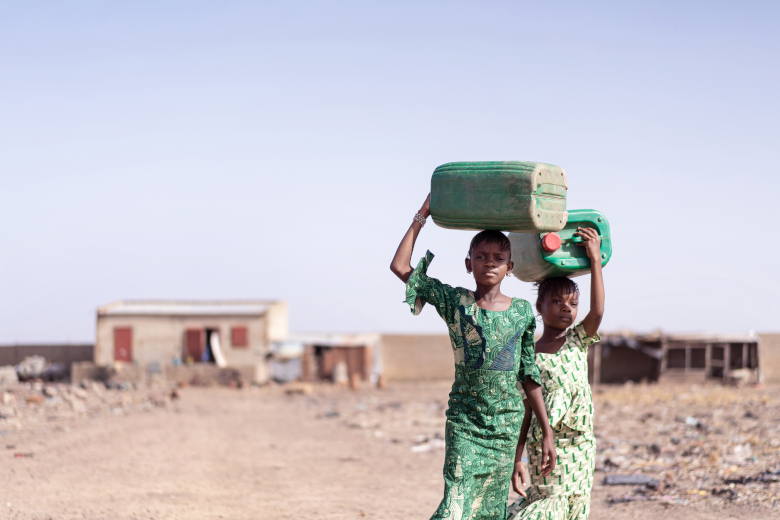
Democratic Republic of the Congo: Girls working to carry fresh water (Photo: Riccardo Mayer / Shutterstock.com)
No. 3 Displaced people double in ten years
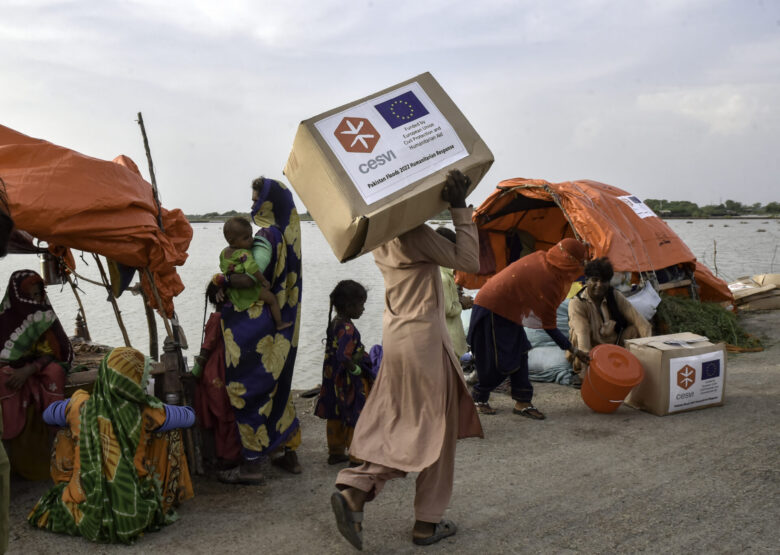
As of the end of June 2024, the UN Refugee Agency (UNHCR) reported that the number of displaced people worldwide had reached an estimated 122.6 million. About 3 out of 5 of these remain within their own country as internally displaced persons (Note 4). The number of displaced people has risen for 12 consecutive years and has increased by about 5.3 million, or roughly 5%, since the end of 2023. Compared with a decade ago, the number has nearly doubled, meaning that 1 in 67 people globally is displaced. While two-thirds of all displaced people come from 10 specific countries and territories (Note 5), a different picture emerges when focusing on 2024. Particularly acute now is Sudan, where 1.6 million people became displaced in the first half of 2024 alone. The country’s conflict has intensified since 2023, with at least more than 60,000 people killed around the capital, Khartoum. As a result, as of the time of writing, at least 14.1 million people—roughly 30% of the domestic population—have been forced to flee their homes. According to the report, in the first half of 2024, about 910,000 people in Myanmar, about 850,000 in the Democratic Republic of the Congo, about 400,000 in Ukraine, and about 260,000 in Haiti also became newly displaced.
Media coverage
Asahi Shimbun: 2 articles / 2,008 characters
Mainichi Shimbun: 1 article / 522 characters
Yomiuri Shimbun: 2 articles / 891 characters
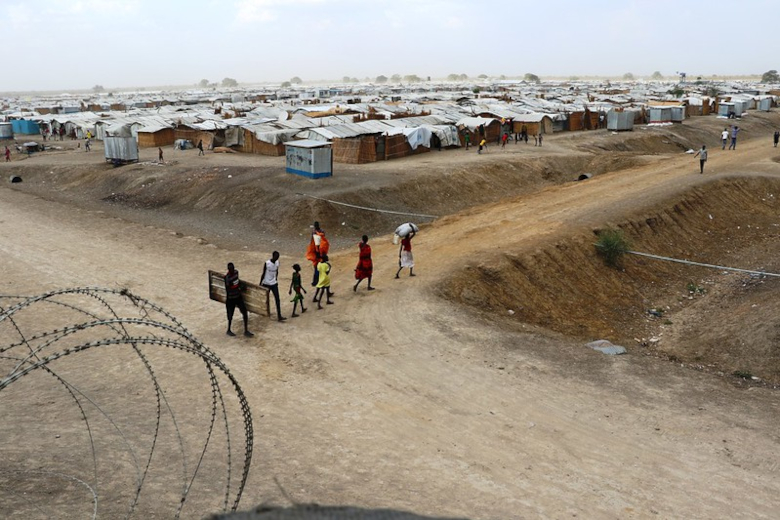
A refugee camp in South Sudan (Photo: EU Civil Protection and Humanitarian Aid / Flickr [CC BY-NC-ND 2.0])
No. 4 Freedom of expression and assembly in Europe threatened by the Israel–Palestine conflict
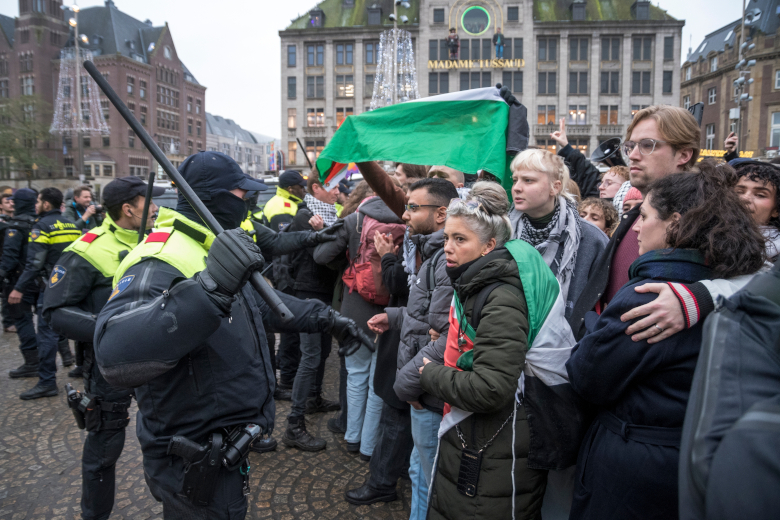
Following the escalation of the Israel–Palestine conflict in October 2023, several European governments tightened restrictions on the rights to expression and assembly of people showing support for Palestine. Civil society organizations have described the level of restrictions as “unprecedented.” The restrictions included the unilateral banning of pro-Palestine demonstrations on vague grounds such as “public order” or “security,” and bans on Palestinian symbols—namely, the Palestinian flag and the traditional scarf (keffiyeh). Although the rights to freedom of expression and assembly are protected by the Universal Declaration of Human Rights and the European Convention on Human Rights, these rights were curtailed as governments across the region conflated antisemitic behavior—which is illegal in many countries—with criticism of the Israeli government. Restrictions on pro-Palestine expression strengthened online as well. While the European Union applied pressure on major social media platforms, there are also reports that platforms themselves have censored users’ posts.
Media coverage
Asahi Shimbun: 0 articles / 0 characters
Mainichi Shimbun: 0 articles / 0 characters
Yomiuri Shimbun: 0 articles / 0 characters

Police forcibly disperse a pro-Palestine demonstration. Amsterdam, Netherlands (Photo: pmvfoto / Shutterstock.com)
No. 5 French troops to withdraw from Chad and Senegal
On November 28, 2024, Chad’s foreign minister announced an end to military cooperation with France, its former colonial power. This will eliminate France’s last key military foothold in the Sahel region. In Chad, Mahamat Déby, the son of the former president, assumed power in 2021 in violation of the constitution, reportedly with French backing, fueling growing discontent with both the government and France. French forces were stationed not only in Chad but across the Sahel, yet the conflicts there have, in some respects, worsened rather than stabilized. Amid this sharp decline in trust toward France, Chad’s foreign minister declared that it was time to “restore Chad’s full sovereignty,” ending the relationship. Chad appears to want to maintain relations with France while simultaneously strengthening ties with Russia, Turkey, and the United Arab Emirates (UAE). Meanwhile, Senegal, also in the Sahel region, has said that all French military bases in the country should be closed, and some argue that this development has become an impetus for weakening France’s involvement in the Sahel dating back to the colonial era.
Media coverage
Asahi Shimbun: 0 articles / 0 characters
Mainichi Shimbun: 0 articles / 0 characters
Yomiuri Shimbun: 0 articles / 0 characters
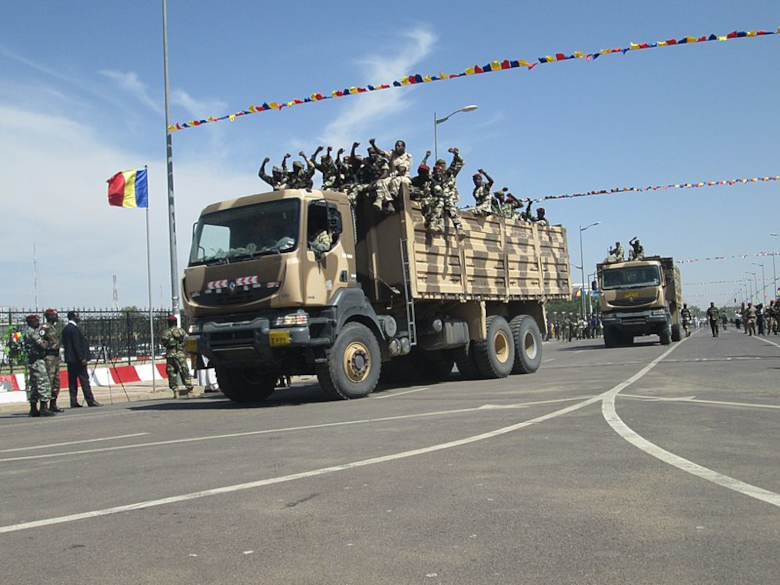
Chadian forces after a military operation, 2020 (Photo: André Kodmadjingar (VOA) / Wikimedia Commons [Public domain])
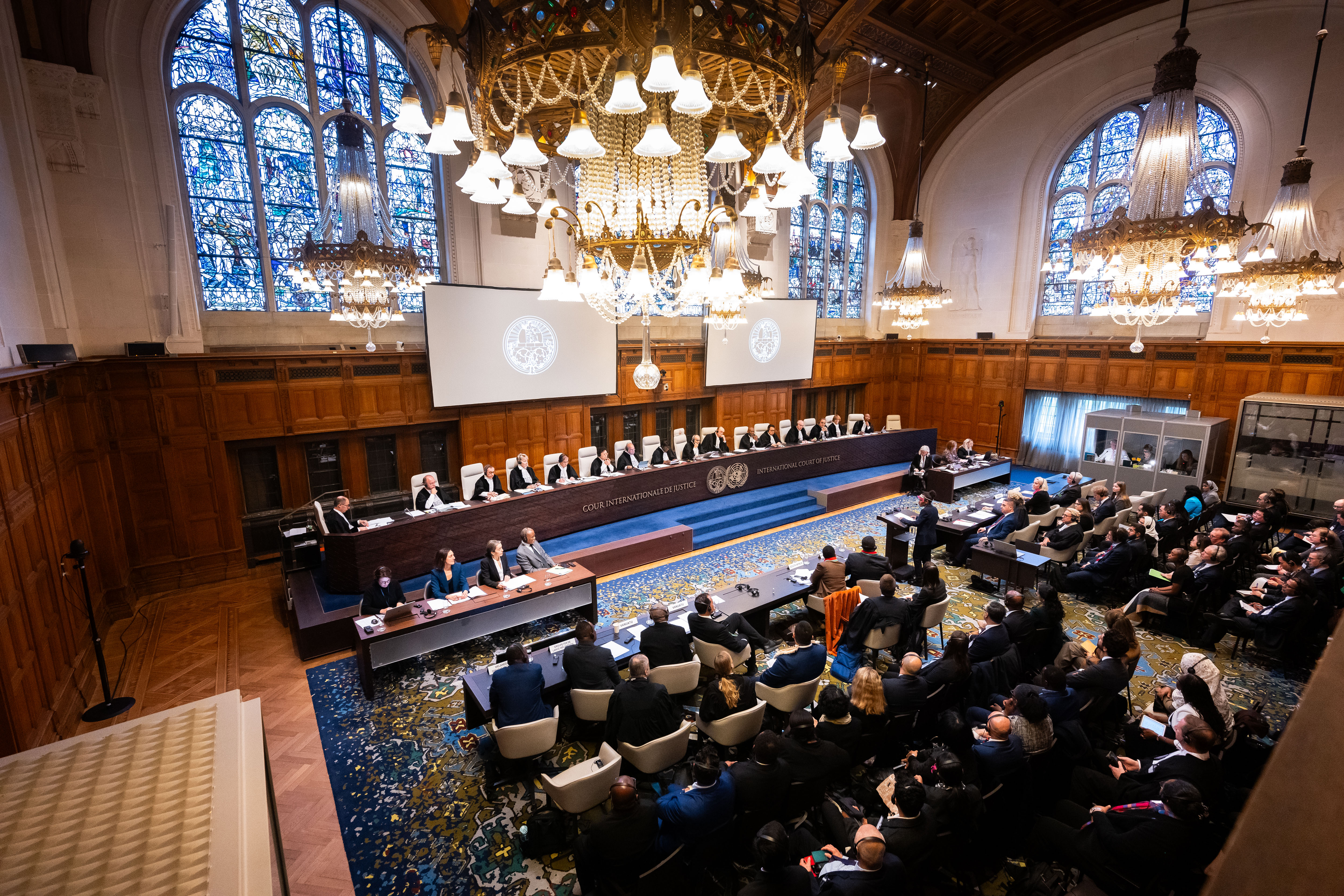
No. 6 A record 91 countries deliver statements at the ICJ on climate action
In December 2024, 91 countries delivered oral statements on climate action at public hearings held by the International Court of Justice (ICJ). This was made possible by a UN General Assembly resolution in 2023—supported by 132 countries—requesting an advisory opinion from the ICJ, the result of years of activism by law students from island states and diplomatic efforts led by Vanuatu. The initiative seeks to establish the legal responsibility of high-income countries among the top emitters of greenhouse gases. At the hearings, representatives emphasized that island states are suffering concrete harms such as sea-level rise. “We find ourselves on the front lines of a crisis we did not create,” Vanuatu’s representative said. Although the hearings concluded in December 2024, top emitters such as the United States, China, and India pushed back against the island states’ arguments during the proceedings, drawing criticism from participating countries. The ICJ is expected to issue its final advisory opinion in 2025, based on the hearings.
Media coverage
Asahi Shimbun: 0 articles / 0 characters
Mainichi Shimbun: 0 articles / 0 characters
Yomiuri Shimbun: 0 articles / 0 characters
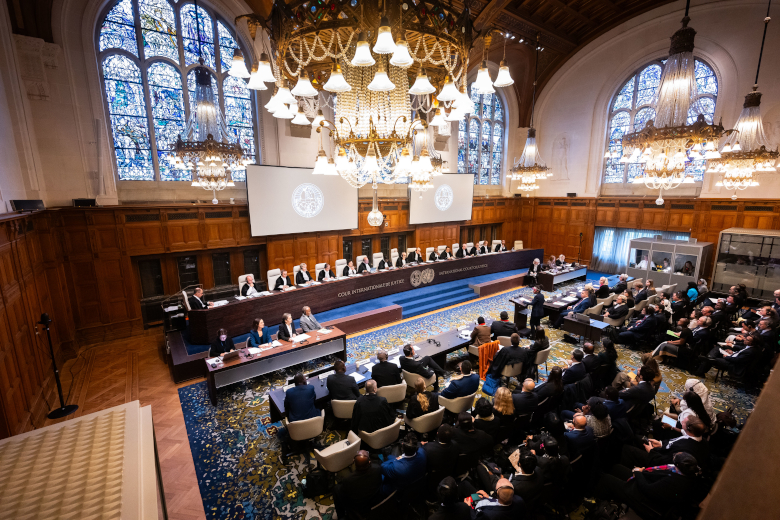
Public hearings on climate change at the ICJ, December 2024 (Photo: UN Photo/ICJ-CIJ/Frank van Beek [Fair use])
No. 7 Half of the world’s population now has access to social protection
According to an ILO report published in September 2024, 52.4% of the world’s population can now receive protection from at least one type of social welfare program, up steadily from 42.8% in 2015. However, at the current pace, it will be 2073 before everyone in the world enjoys even partial access to social protection, and the ILO argues that progress is “far too slow.” It is also a problem that the poorest countries continue to be left behind, with little to no improvement. Social protection targets various groups, including households with young children, older persons, people with disabilities, the unemployed, and those injured on the job. In low-income countries, a major challenge is how far to expand social protection systems to include more people. Moreover, even though the number of people under protection has finally surpassed half the world’s population, the coverage is limited: having at least one type of protection does not mean all needs are met. Even where protection exists, levels vary greatly by country. For example, pensions from Nigeria’s government system are far below what is needed for subsistence.
Media coverage
Asahi Shimbun: 0 articles / 0 characters
Mainichi Shimbun: 0 articles / 0 characters
Yomiuri Shimbun: 0 articles / 0 characters
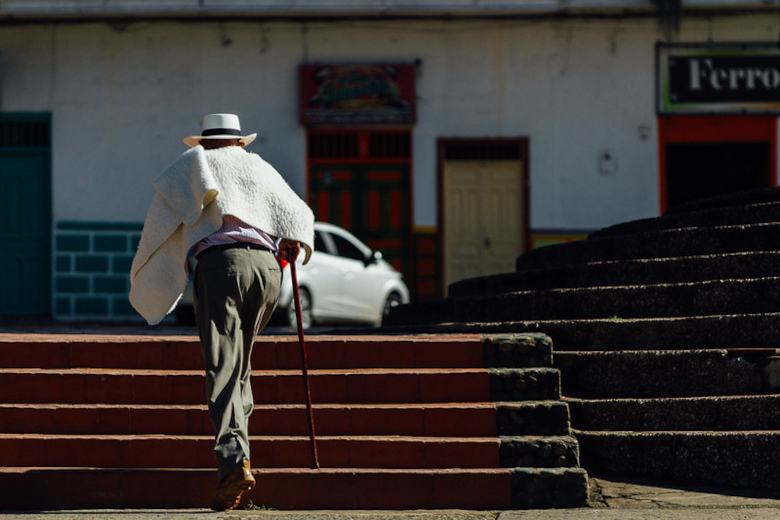
An elderly man climbing stairs, Colombia (Photo: Adam Cohn / Flickr [CC BY-NC-ND 2.0])
No. 8 Cocaine production rises in South America
According to a report released by UNODC in 2024, more than 2,700 tons of cocaine were produced in 2022 in Colombia, Peru, and Bolivia—the three exclusive producers of the drug—an increase of over 20% from the previous year. Furthermore, cocaine production in Colombia in 2023 is expected to reach 2,664 tons, a 53% year-on-year increase. Reflecting the surge in production, 2024 saw record seizures of cocaine in many countries, including Germany, Spain, the Dominican Republic, and Bolivia. Within Colombia, a joint investigation involving 62 countries seized 1,400 tons of drugs, including 225 tons of cocaine. Cocaine is also closely linked to violence. After production, it is routed through a complex network across Latin American countries by criminal organizations and smuggled to North America and Europe; transit countries see increases in crime and corruption, observers note. This trend is particularly pronounced in Ecuador, where both cocaine seizures and the homicide rate surged roughly fivefold between 2019 and 2022, according to reports.
Media coverage
Asahi Shimbun: 0 articles / 0 characters
Mainichi Shimbun: 0 articles / 0 characters
Yomiuri Shimbun: 0 articles / 0 characters
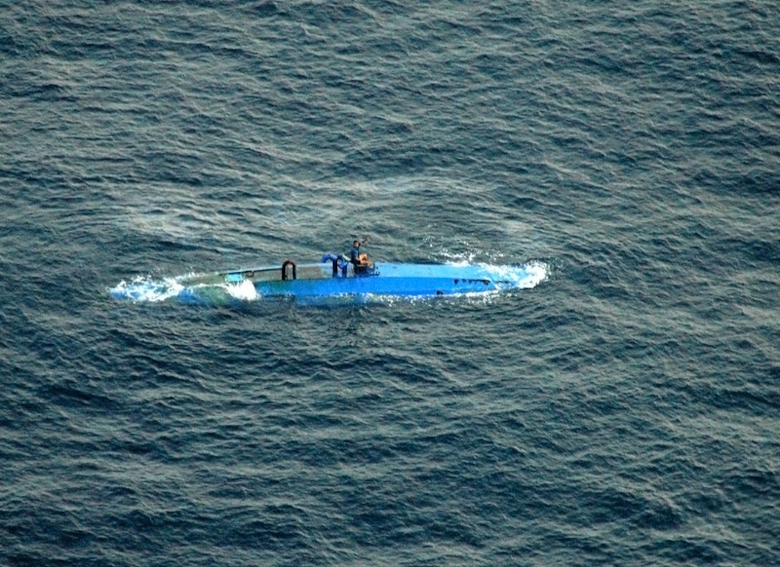
A semi-submersible smuggling cocaine worth US$352 million (Photo: U.S. Customs and Border Protection via Marion Doss / Flickr [CC BY-SA 2.0])
No. 9 The Court of Justice of the European Union recognizes Western Sahara’s autonomy in ruling
On October 4, 2024, the EU’s top court ruled that a trade agreement concluded in 2019 between the EU and Morocco was invalid because it had been concluded without the consent of Western Sahara, issuing a judgment to that effect. The ruling found that the agreement, concluded without the consent of the people of Western Sahara—occupied by Morocco—violates the right to self-determination. Morocco criticized the decision, while the Polisario Front, which asserts sovereignty over Western Sahara, and activists welcomed it. Morocco has occupied most of Western Sahara’s territory since 1975, and the ICJ has not recognized this claim. Morocco’s control, in defiance of the ICJ’s advisory opinion, has led to repression of pro-independence activists and the displacement of residents. Regarding free trade and fisheries partnerships between Morocco and the EU, the Polisario Front has been litigating since 2012 to exclude Western Sahara from those agreements. The CJEU ruling could lead to further developments. Some experts suggest that including the Polisario Front as a party representing Western Sahara in future arrangements between the EU and Morocco could help advance a resolution to the conflict between Morocco and Western Sahara.
Media coverage
Asahi Shimbun: 0 articles / 0 characters
Mainichi Shimbun: 0 articles / 0 characters
Yomiuri Shimbun: 0 articles / 0 characters
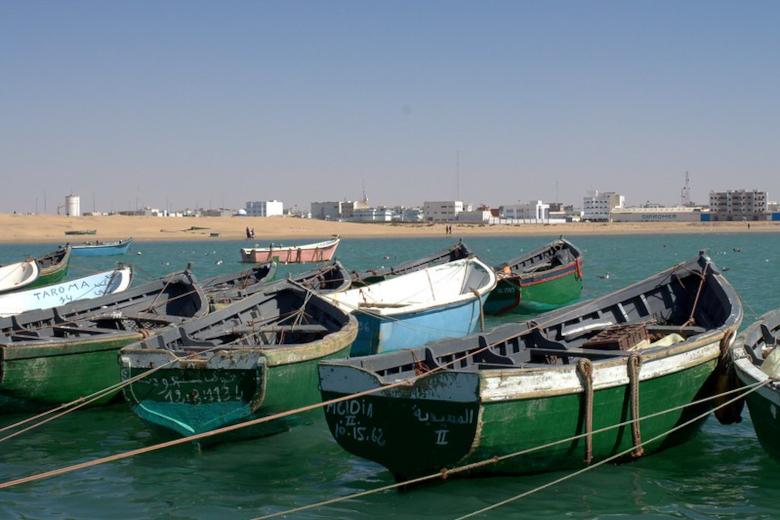
Harbor and fishing boats, Western Sahara (Photo: Guillaume Galdrat / Flickr [CC BY-SA 2.0])
No. 10 Agreement reached on Central Asia’s last undemarcated border
On December 4, 2024, Tajikistan and Kyrgyzstan announced an agreement on their last undemarcated border—the final unresolved border in Central Asia. This border issue has been a point of contention for the 33 years since independence following the collapse of the Soviet Union. It has not been merely a cartographic issue; it has contributed to military clashes and to corruption among border officials. In particular, it escalated into major clashes in September 2022 that left about 100 people dead. It has also been noted that the ambiguous border regime has allowed armed groups to expand their influence and criminal organizations to smuggle drugs. Considering these factors, the border problem has contributed to instability across the Fergana Valley, which spans Tajikistan, Kyrgyzstan, and Uzbekistan. The newly agreed border raises hopes that these problems will move toward resolution. However, the details of the boundary and specific management arrangements have not been announced, and it remains unclear whether the domestically agreed border will gain public acceptance, observers note.
Media coverage
Asahi Shimbun: 0 articles / 0 characters
Mainichi Shimbun: 0 articles / 0 characters
Yomiuri Shimbun: 0 articles / 0 characters
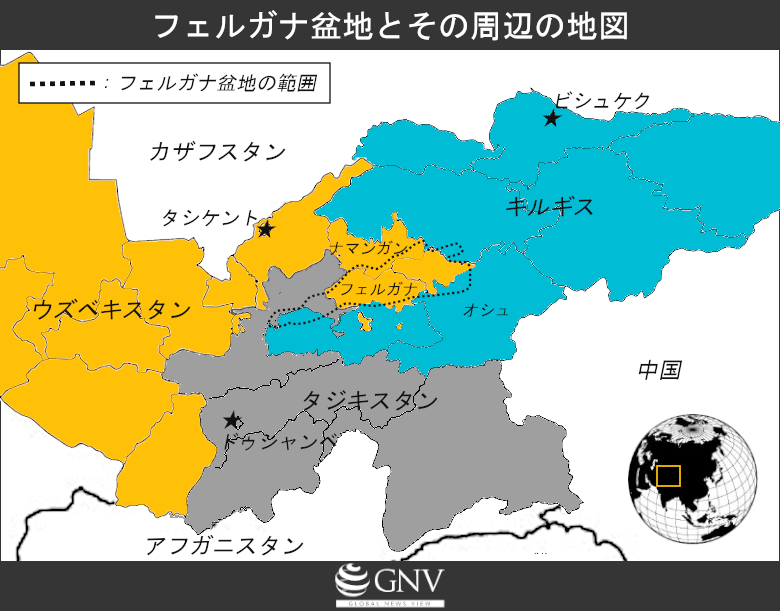
Created by: Mayuko Hanafusa
In 2024 as well, there were many extremely important stories despite limited coverage. Notably, many of this year’s Top 10 items concerned global dynamics based on studies and reports released by international bodies such as the United Nations. In general, international reporting is more costly than domestic reporting, and it has been noted that financially constrained news organizations tend to devote a smaller share to it. However, when it comes to macro-level topics about the global situation, newspapers and television should be able to report them even without on-the-ground reporting. Yet over the course of 2024, such topics were seldom covered by major media.
There were also many significant stories that did not make the Top 10 this time. For example, in Yemen’s long-running conflict, 540,000 children are suffering from severe wasting, and southern Africa experienced a massive drought on a once-in-a-century scale—both of which were considered as candidates. Events concerning Africa and the Middle East/South Asia remain underreported.
GNV will continue to deliver the “unreported world,” bringing news that major outlets overlook.
Note 1: In the Asahi Shimbun’s online database (Asahi Shimbun Cross Search) during the survey period from January 1, 2024, to December 18, 2024, there were 4 international-page articles with “Sudan” in the headline. There were 178 with “Ukraine.” “Israel OR Gaza OR Palestine” appeared in 358.
Note 2: In selecting the ranking, we evaluated according to multiple criteria, including the amount of coverage, the magnitude of the impact, and the scale of change in 2024. Even events or phenomena that began before 2024 were ranked alongside 2024 events if what became clear in 2024 warranted inclusion.
The specific method was as follows: We divided the world into six regions (1) East, South, and Central Asia; (2) Southeast Asia, the Pacific, and the Indian Ocean; (3) the Middle East and North Africa; (4) sub-Saharan Africa; (5) Europe; (6) the Americas (North and South), and picked four underreported but major events/phenomena from each region, along with six global events/phenomena not confined to any region, for a total of 30 items.
For each event/phenomenon, we scored five criteria on a three-point scale: (1) lack of coverage, (2) the number of people affected and the degree of impact, (3) the effect on systems such as politics, economy, society, and security, (4) cross-border nature, and (5) novelty. Because this is a ranking that prioritizes overlooked issues, we weighted (1) lack of coverage double. Based on the results, we narrowed the 30 candidates to 10 and determined the order through an editorial meeting. The coverage tally spans January 1 to December 18, 2024.
Note 3: To assess the amount of coverage, we used the online databases of the Asahi Shimbun, Mainichi Shimbun, and Yomiuri Shimbun (Asahi Shimbun: Asahi Shimbun Cross Search; Mainichi Shimbun: Maisaku; Yomiuri Shimbun: Yomidas Rekishikan). We targeted the national editions and the Tokyo regional morning and evening editions, examining not only headlines but also body text.
Note 4: “Displaced people” here refers to the total of persons of concern to UNHCR, persons of concern to the United Nations Relief and Works Agency for Palestine Refugees (UNRWA), asylum-seekers, internally displaced persons, and others requiring international protection.
Note 5: The 10 countries and territories are Afghanistan, Colombia, the Democratic Republic of the Congo, Somalia, Palestine, Sudan, Syria, Ukraine, Venezuela, and Yemen.
Writers: Takumi Kuriyama, Seita Morimoto, Chiori Murata, Virgil Hawkins, Azusa Iwane







特に1位のニュースが衝撃的であると同時に、心が痛みました。
今年のランキング、待ってました!
お疲れ様でした。
朝日新聞、毎日新聞、読売新聞の「0記事/0字」がいつもより目立っていませんか??
大手メディアがまったく報道してないものばかり。
この記事で取り上げられたニュースの内容の深刻さにも関わらず、全く目にすることもなかったニュースが多いことに衝撃を受けました。報道をする側だけではなく、報道を受け取る私たち側にも報道と向き合う姿勢を変える必要があるのかもしれません。
2024年度も、待ってました
日本の報道機関ももっとこういうニュースを報道すればいいのに!
どれも日本のニュースメディアでは、あまり目にしたこととのないもので、非常に勉強になりました。特に、1位のニュースなんて、認知できていない数値もありそうですし、実際はもと割合が高いんだろうなとも思います、、、
世界の8歳未満の少女の8人に1人が性的暴行の被害に直面、というニュースが衝撃的。性暴力の被害を訴えた本人が社会から潰されるのは日本だけでなく、男尊女卑の傾向が強いインドなど、世界全体で共通する問題なのかなと思った。被害者支援だけでなく、自分や相手の身体に対して思いやりをもたせるような包括的な性教育を導入するためには、やはりメディアの力が重要だと思う。
「イスラエル・パレスチナ紛争で脅かされるヨーロッパの表現と集会の自由」 についての報道がなかったことに驚きを隠せません。
報道の自由が他国で、民主的であるとされている地域で、こんなにも脅かされているのに、それを看過していると、気がついた時には自分たちも取り返しがつかないほど深刻な状況に陥っていた…なんてこともあり得るなと思いました。
メディアやジャーナリストたちにはもっと世界のいろいろな側面を知ることができる報道を伝えてくれることを期待します。そして、GNVのようにメインストリームのメディアを補完してくれる活動をこれからも応援しています!
Thank you for your sharing. I am worried that I lack creative ideas. It is your article that makes me full of hope. Thank you. But, I have a question, can you help me?
6wchzm