
Migration is the movement of people from one place to another and occurs under various circumstances. Many people move within their own countries to improve their lives or for other reasons, but a considerable number cross borders to seek refuge, conduct business, or work. Crossing borders for work is called labour migration, one of the largest forms of migration in the contemporary world, accounting for nearly 66% of international migrants of working age. Labour migration is beneficial in many ways, providing employment opportunities for skilled workers in countries other than their own while also supporting the economic growth and development of countries that receive migrant workers. This is not a historically new phenomenon, nor is it limited in scope; it is seen across diverse occupations, sectors, and regions around the world.
The emergence of the internet and digital technologies has had various impacts on labour migration. From a governance and administration perspective, digital technologies help countries and organizations manage migration flows, streamlining and improving the convenience of application procedures such as visas and work permits. Governments also use vast amounts of data and information to improve services for newly arrived migrants. However, the role and usefulness of digital tools extend far beyond governance and administration. Through the use of digital tools and online portals, migrants can connect to job opportunities, improve daily life, and access support that would have been difficult to obtain through traditional means, making this possible. Overall, digital tools not only influence migrant workers’ aspirations, motivations, and everyday activities, but also affect the nature of migration and the overall migration process. Their impact transcends geography, touching nearly every region and almost every aspect of day-to-day life related to migration.
This article focuses on how digital tools are shaping migration in North Africa from the perspective of migrants rather than governments or administrations. It first briefly surveys the various impacts technologies and digital tools have on migrant workers and their migration journeys, and then presents several examples from four North African countries. These cases offer insights that go beyond the region as technologies continue to evolve and expand in diverse ways and become more widely available to migrants around the world.
目次
Digital tools in migration
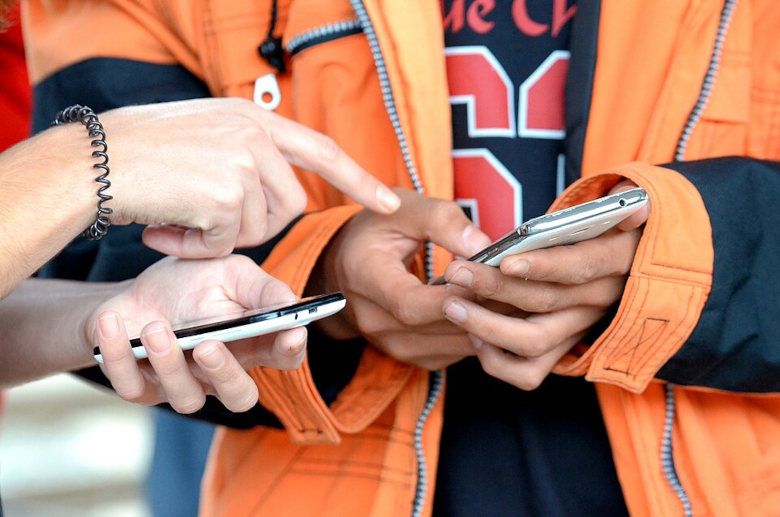
The International Organization for Migration (IOM) states that “access to technology is critical for the safety and empowerment of migrants and refugees, and for their inclusive participation in the workforce and society.” Technologies we use daily, such as the internet and smartphones, also support migrant workers throughout their migration journeys. Migrants use these technologies not only to stay in touch with family and friends back home, but also to navigate their new lives at destination—for example, by using translation apps to communicate with locals and to obtain information about daily life in a new society.
In the workplace, language translation tools may be used to avoid misunderstandings, and in some cases migrant workers report issues they face at work—such as harassment or abuse—through digital technologies. In this way, digital tools can play a useful and important role in addressing or mitigating issues related to language and cultural barriers at work.
Digital applications and technologies—especially social media and messaging/communication platforms—provide a means to deliver important information and guidance quickly and at low cost to migrant workers in destination countries. Governments and labor organizations also develop dedicated smartphone apps to provide support and information related to migrants’ daily lives, language education, and even vocational training. In addition, workers are able to use digital payment solutions and remittance apps to send remittances to their families and communities.
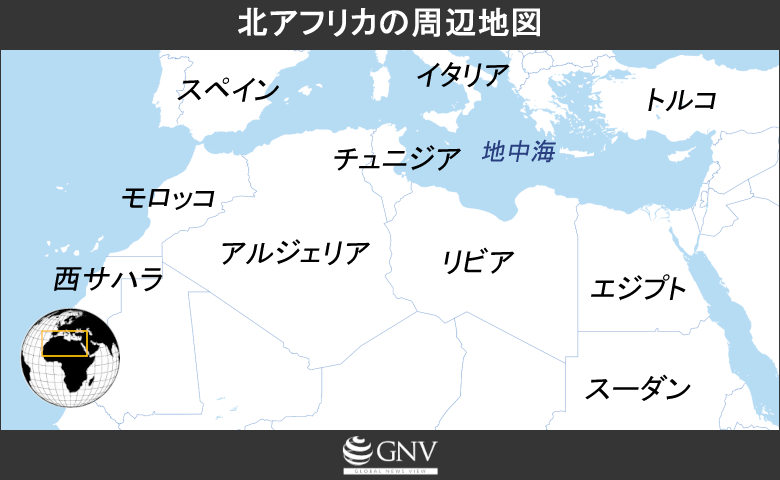
Turning to North Africa, migrant workers moving through this region use digital tools and smartphone apps much like those elsewhere. However, region-specific characteristics and circumstances also exist. Given its proximity to the Middle East and the Mediterranean and its unique historical and geographical realities, interregional and intraregional migration routes have formed, and the spread of digital technologies and tools has influenced and complemented migration processes. The following examples from Morocco, Algeria, Egypt, and Tunisia illustrate some of the diverse ways technology is affecting migration.
Morocco case: use of smartphones and social media
Due to its proximity to Europe, Morocco is a transit country for many migrants and refugees from sub-Saharan Africa who seek better economic opportunities or safety by heading for Europe. Migrants arriving in Morocco sometimes use smartphones to gather useful information and share it with other migrants, which can influence the choice of particular migration routes. In fact, digital and mobile technologies can also influence people’s desire to migrate and the decision to migrate itself. For example, these technologies enable people considering migration to interact with those who have already migrated and to access information and media about opportunities and ways of life, which in turn influences migration decisions. In this sense, mobile and digital technologies can be seen as complementary drivers of migration itself.
Morocco is not only a transit country for migrants; many Moroccan nationals also migrate abroad. For migrants who settle abroad, mobile and social media also serve as spaces for psychological and social support, primarily by enabling them to stay connected with other members of the migrant community and with family back home.
For instance, a study on the use of Facebook groups showed that during the COVID-19 pandemic, social media served not only as a source of information for Moroccan immigrants in the United States but also as “a space for practical and emotional support.” The study also highlights how different languages used by Moroccan immigrants—Arabic, English, and French—were employed on social media in distinct situations and contexts, including the sharing of practical and health-related information and the expression of emotions when someone passed away during the pandemic.

Border fence between Spain’s Ceuta enclave in Africa and Morocco (Photo: Mario Sánchez Bueno / Wikimedia Commons [CC BY-SA 2.0] )
Algeria case: video posts and social media
Not all uses of digital tools and social media are positive. Due to historical and colonial-era ties, many migrants from Algeria have moved to France. In fact, Algerian nationals are eligible for certain relaxed measures when moving to France. Nevertheless, many Algerians still choose irregular means to reach Europe, and technologies are used to pass information to others about routes and methods along the way. Some people in Algeria and other North African countries are sharing information on video-sharing sites about routes and ways to travel irregularly to Europe, which can involve dangers and risks.
On the other hand, there are also positive examples of Algerian migrants using digital tools. During the COVID-19 pandemic, Algerian migrant communities abroad leveraged digital tools to help provide food and shelter to people in their communities and to facilitate fundraising for hospitals. For example, Algerian immigrants in the United Kingdom were able to raise substantial funds for those in need. When in-person gatherings were difficult during the height of the pandemic due to lockdowns, online and digital spaces became arenas for migrant mobilization and mutual solidarity. In addition to regular social media platforms, members of migrant communities used tools like Zoom for communication and support activities.
For fundraising and remittance channels, digital tools were also used. In addition to bank accounts, platforms like GoFundMe and social media apps enabled swift and seamless fundraising and remittances to those in need. Digital technologies and tools bolstered nationality-based solidarity, religious ties, and community-driven support and activism among migrants from Algeria. They also helped strengthen connections in digital spaces, enabling communities to coordinate and organize emotional and financial support.
This case shows that beyond their use during migration journeys and in daily life, social media and digital tools can also function as crucial means for emergency and needs-based support—especially during periods of crisis. Migration experiences are often accompanied by uncertainty and upheaval, which can take many forms beyond migration itself, including public health emergencies, natural disasters, or economic hardship and crises in origin or destination countries.
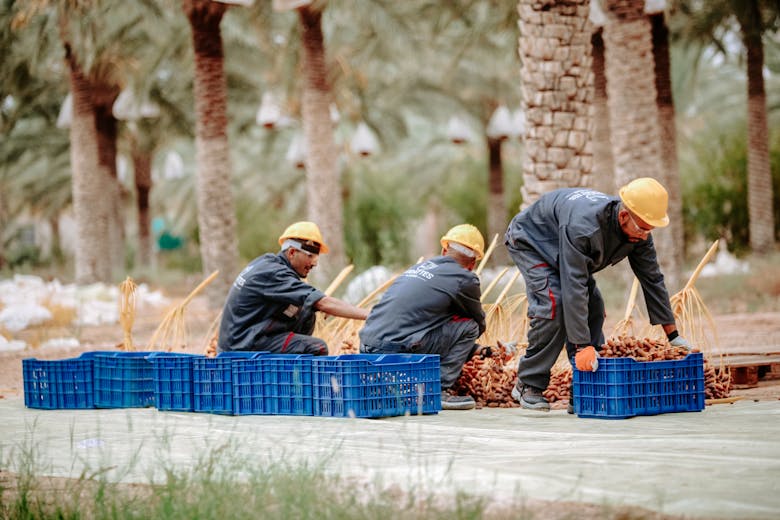
Workers harvesting dates, Algeria (Photo: Radwan Menzer / Pexels [Pexels License] )
Egypt case: government-led digital learning platform
Migrant workers’ situations are often precarious, and they may suddenly be forced to return. During the COVID-19 pandemic, for example, many Egyptian migrant workers employed in various countries lost their jobs and had to return to Egypt. Amid the uncertainty of the pandemic, these migrants were not prepared for a different labor market upon return.
Digital technologies were utilized to address this difficult situation. In 2020, Egypt’s Ministry of Emigration and Egyptian Expatriate Affairs, in cooperation with the World Food Programme (WFP), launched a learning platform called “Bedaya Digital.” Through online learning, the platform provides vocational training and skills education, with training focused on improving “employability.” It also offers access to recruitment services to help users find new opportunities where they can apply their acquired skills.
In addition, the initiative aimed to reduce irregular movement driven by unemployment and lack of opportunities. Many migrants from rural Egypt use dangerous and high-risk irregular routes across the Mediterranean to reach Europe. Equipping migrants with skills for the labor market upon return reduces the likelihood of choosing such irregular routes. A WFP representative described the platform as “a one-stop shop bridging the gap between youth skills and market demand,” showing its focus on skill-building and matching.
Beyond training and connecting workers to opportunities, the digital platform is also designed to provide access to various loans for returning migrants, thereby serving a dual role in skills development and entrepreneurship support. This contributes to government efforts on sustainable development and economic growth. With the support of international organizations such as the WFP, digital tools are helping provide training and opportunities to improve employability amid ongoing economic volatility and uncertainty, while also advancing government goals to promote entrepreneurship. This shows how digital tools tailored to specific purposes can also help achieve other important objectives.
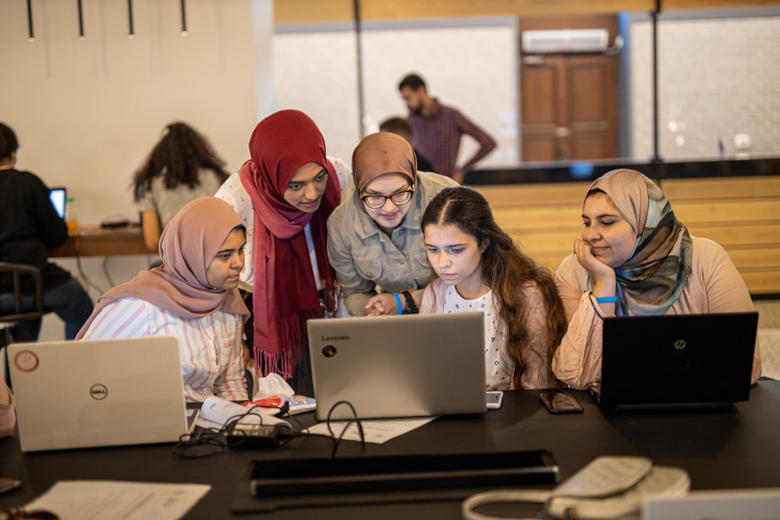
Women attending a conference on health, education, and big data (Photo: UN Women Arab States / Flickr [CC BY-NC-ND 2.0] )
Tunisia case: digital freelance workers
Digital technologies influence not only what happens after migration occurs, but also the formation of migration motivations. As such, digital tools can directly affect the drivers of migration and, by improving the economic circumstances of would-be migrants, may help reduce migration flows. In Tunisia, about 7% to 10% of the population reside abroad, primarily in European countries.
At the same time, services account for more than 60% of Tunisia’s GDP, and digital freelance online work is gaining attention among young people in the country. The main areas of online work include ICT and software development, e-commerce, and the multimedia industry. This enables many workers with language and technical skills to work remotely from within the country for foreign companies and clients abroad. The government has recognized this trend, launching “Digital Tunisia” initiatives in 2020 and 2025 to support digital transformation and promote the country’s digital economy, in which online work plays an important role.
The digital economy and digital platforms have the potential to expand and enhance economic opportunities for a country’s skilled workers, thereby influencing migration before flows begin. One report notes that improving the working conditions of digital workers in Tunisia “can reduce the migration of skilled workers seeking employment opportunities abroad, mitigating brain drain.” Thus, digital tools and technologies can transform regional economies and provide alternative or complementary economic and employment opportunities for workers considering emigration.
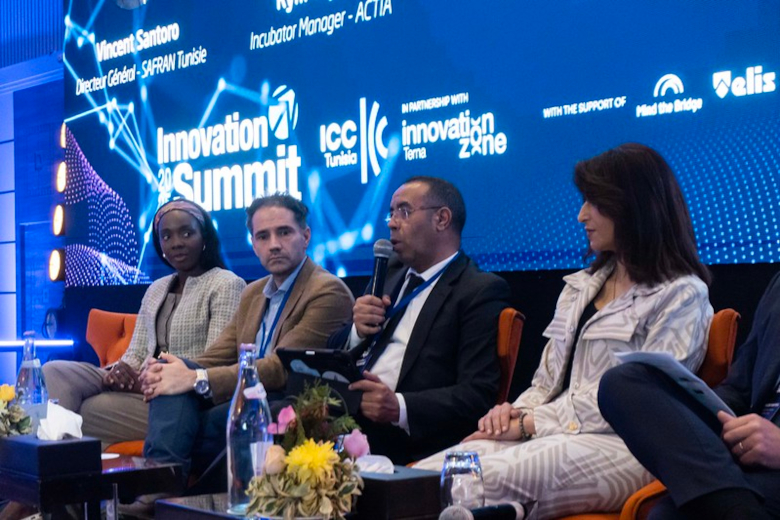
Conference promoting innovation, Tunisia (Photo: Elis.org / Flickr [CC BY-NC-ND 2.0] )
Outlook
As seen above, digital tools and platforms are not only means of communication or auxiliary supports; in uncertain situations, they can also function as primary mechanisms for solving problems. Digital tools and social media can also influence migrants’ aspirations and motivations. As digital literacy and infrastructure continue to improve across North Africa, the usefulness of these tools will likely increase further.
While these tools bring many benefits to migrants, it is also important to note that digital tools and technologies may carry risks and dangers for migrant workers and their communities. As digital spaces expand, misinformation and disinformation are more likely to spread, which can negatively affect migration journeys and cause problems in societies at destinations or along transit routes. These tools can also limit migrants’ opportunities to engage smoothly with their new societies, potentially leading to social exclusion and other issues—a potential risk to keep in mind.
This underscores the need to improve digital literacy and promote the responsible use of social media and digital spaces to contribute to the achievement of the United Nations Sustainable Development Goal (SDG) 10, particularly the target of facilitating orderly, safe, regular, and responsible migration and mobility of people.
The types and scope of digital tools and platforms used throughout migration processes and in the lives of migrant workers are very broad, and their impacts can be both positive and negative. By advancing policies and initiatives that fully take this into account, it is possible to leverage technology as a productive and constructive means of promoting sustainable migration.
Writer: Shah Sardar Ahmed
Graphics: A. Ishida
















.jpg)
[6776]999phl Casino Philippines: Best Online Slots, Easy Login, Register & Official App Download. Experience 999phl Casino Philippines. Get easy 999phl login and 999phl register access to top 999phl slot games. Secure 999phl app download for 24/7 gaming fun! visit: 999phl
[6609]777perya Online Casino Philippines: Easy Login, Register & App Download for the Best Slot Games. Join 777perya Online Casino Philippines! Experience easy 777perya login, fast register, and the official app download for top-tier slot games. Play and win today! visit: 777perya
[731]Taya365: Best Online Casino in Philippines | Easy Login, Register, App Download & Premium Slots Experience Taya365, the best online casino in Philippines! Quick Taya365 login & register to play premium Taya365 slots. Get the Taya365 app download for 24/7 gaming action. visit: taya365
[2573]KingPH Online Casino Philippines: Experience top-tier slot games. Secure KingPH login, quick register, and official KingPH app download for the ultimate gaming experience. Join KingPH Online Casino Philippines for premium KingPH slot games. Experience a secure KingPH login, fast KingPH register, and official KingPH app download today! visit: kingph
[8064]39jl Casino Online Philippines: Quick 39jl Login, Easy Register & App Download for the Best 39jl Slot Games. Experience the best 39jl slot games at 39jl casino online Philippines. Enjoy quick 39jl login, easy 39jl register, and seamless 39jl app download for top gaming! visit: 39jl
[2591]The Philippines’ #1 real money Tongits Go online casino with fast GCash payouts. visit: tongits go
[9718]sss777 Philippines: Your Legit Online Casino for GCash Slots and Fast Registration. Join sss777 online casino Philippines for the most trusted legit slots and GCash casino games. Experience fast sss777 login and registration, and get the sss777 app download to start winning today! visit: sss777
[1684]NobleJili: Top Philippines Casino Online. Quick Login, Register & App Download for the Best Slot Games. Experience NobleJili, the top Philippines casino online. Access your account via noblejili login, complete a quick noblejili register, and enjoy premium noblejili slot games. Get the noblejili app download for the best mobile gaming experience today! visit: noblejili
[176]Jili168 Login & Register: Play Best Slot Games, Sign Up, and Easy App Download in the Philippines. Experience the best jili168 slot games in the Philippines! Secure your jili168 login, complete your jili168 register, and start your jili168 sign up today for exclusive rewards. Enjoy seamless gaming with a fast jili168 app download. Join now and win big! visit: jili168
[467]Gperya Official Site: Philippines’ Top Online Slot | Fast Gperya Login, Register & App Download Experience the Philippines’ top online slot at the Gperya official site. Enjoy fast Gperya login, easy Gperya register, and secure Gperya app download. Join now! visit: gperya
Your point of view caught my eye and was very interesting. Thanks. I have a question for you. https://www.binance.info/sl/register?ref=GQ1JXNRE
I don’t think the title of your article matches the content lol. Just kidding, mainly because I had some doubts after reading the article. https://accounts.binance.info/fr/register?ref=T7KCZASX
I don’t think the title of your article matches the content lol. Just kidding, mainly because I had some doubts after reading the article. https://www.binance.info/register?ref=IHJUI7TF