
On May 20, 2025, the member states of the World Health Organization (WHO) unanimously and formally adopted the world’s first Pandemic Agreement (commonly known as the “Pandemic Treaty”). Countries agreed on principles and approaches to prevent, prepare for, and respond to the global spread of infectious diseases. The agreement was first proposed about a year after the emergence of the novel coronavirus (COVID-19), and came to fruition after three years of negotiations.
Several serious problems lay behind the adoption of the Pandemic Treaty. The COVID-19 pandemic exposed how fragile the ideal of international cooperation really was. Major pharmaceutical companies took every possible step to maximize profits in the development, manufacture, and distribution of vaccines and other medicines. Meanwhile, governments in high-income countries prioritized protecting those corporate interests, with the result that many lives were lost, particularly in low-income countries. Extreme disparities emerged in access to life-saving medicines.
The Pandemic Treaty can be seen as an initial effort to prevent a recurrence of the same situation. It is also an important opportunity for the news media to reflect on the response to the COVID-19 pandemic.
This article explores the background issues surrounding the Pandemic Treaty, briefly outlines the agreement, and analyzes coverage by Japanese media.
WHO headquarters (Photo: Mattia Panciroli / Flickr [CC BY-NC-ND 2.0])
目次
COVID-19 and vaccine inequity
The novel coronavirus is believed to have emerged in Wuhan, China, in December 2019 and spread rapidly around the world by early 2020. Many countries poured enormous sums into vaccine development, and several vaccines were developed by the end of 2020. However, large international disparities in access to vaccines and other medicines quickly became apparent. High-income countries began to snap up virtually all supplies deemed useful against the virus—medical masks, medical equipment, test kits, and vaccines.
This was not merely a matter of high-income countries and companies leveraging financial power to secure priority access. Intellectual property rights such as patents were also a major barrier. Through the Agreement on Trade-Related Aspects of Intellectual Property Rights (the TRIPS Agreement), the World Trade Organization (WTO) sets minimum standards on intellectual property rights for member states. The TRIPS Agreement obliges members to provide at least 20 years of patent protection for inventions such as medicines and vaccines. As a result, companies that developed COVID-19 vaccines were able to exercise exclusive control over their manufacture and distribution.
Amid a rapid rise in global deaths, India and South Africa in October 2020 submitted a proposal to the WTO seeking an emergency waiver of patents on COVID-19-related medical technologies. The aim was to allow countries to produce needed medical tools such as test kits and vaccines domestically to protect their populations. In some cases, countries already had the industrial base to ramp up production quickly; in others, production would have been possible with technology transfer. The proposal garnered support from over 100 countries, but the United States, Japan, and the European Union (EU), among others, actively blocked it at the WTO. As a result, at the same time that high-income countries were buying up supplies, low-income countries were even prevented from manufacturing the medicines they needed at home.
In this way, what the WHO described as a “shocking imbalance” in the global distribution of vaccines emerged. As of September 2021, 60% of the population in high-income countries had received at least one dose of a COVID-19 vaccine, compared with just 3% in low-income countries. A 2022 study reported that the failure to share vaccines internationally may have led to the loss of as many as 1.3 million lives.
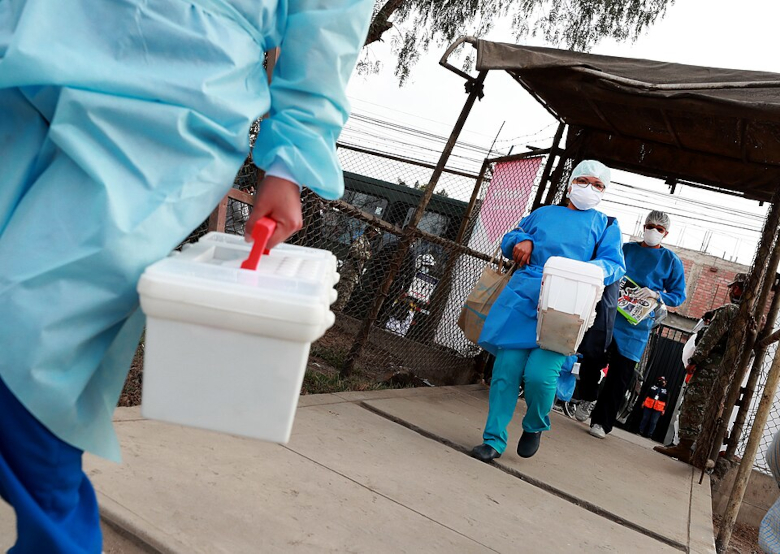
Outreach to low-income neighborhoods, Peru during the pandemic (Photo: Ministerio de Defensa del Perú / Wikimedia Commons [CC BY 2.0])
Public funding and private gains
Pharmaceutical companies and the governments backing them have argued for the need to protect intellectual property rights. Their argument is that such protection is needed to secure the revenues required for R&D of vaccines and other medical technologies to address not only COVID-19 but future infectious diseases. However, such claims have been questioned on many points.
First, the rapid development of COVID-19 vaccines was made possible by massive public funding from governments. This included not only direct subsidies and advance purchase agreements, but also research at publicly funded institutes and universities. In other words, although much of the cost of vaccine development was borne by public funds, the enormous profits from their sale accrued entirely to pharmaceutical companies.
Second, it became clear that much of the huge profit from the sale of vaccines and other medicines ended up as private gain for corporate executives and shareholders. Less than six months after the first COVID-19 vaccines were approved, reports said that 40 people in the pharmaceutical industry and related fields had newly become billionaires (individuals with assets of US$1 billion or more). It has been estimated that the wealth of just nine people who became billionaires through vaccine development could have paid to vaccinate almost the entire population of sub-Saharan Africa.
Third, as many low-income country governments and human rights groups have argued, the refusal to waive intellectual property rights was a major barrier to equitable vaccine distribution and is ethically problematic given the large number of lives lost. In some cases, vaccine sales contracts included provisions intended to restrict distribution. For example, some pharmaceutical companies entered into secret contracts prohibiting purchasing countries from donating or reselling vaccines. As a result, high-income countries that had hoarded excessive amounts of vaccines ultimately discarded many of them.
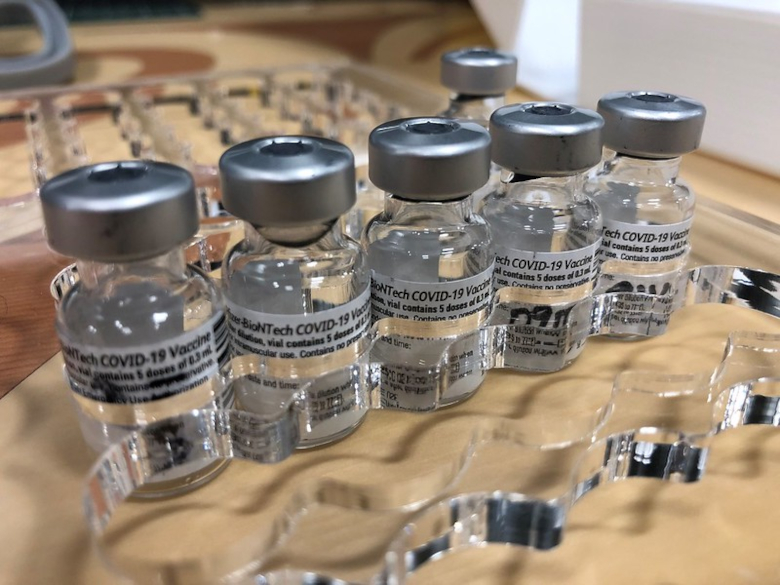
COVID-19 vaccines (Photo: Camosun College / Flickr [CC BY-NC-ND 2.0])
Are vaccines a global public good?
As the immense loss of life due to vaccine inequity became clear, voices grew calling for COVID-19 vaccines and related medicines to be treated not as exclusive private property but as a “global public good.” This would mean open licensing for COVID-19 diagnostics, vaccines, and therapeutics. In other words, data related to their development and manufacture should be widely made available to researchers and producers, international participation in R&D should be promoted, and diverse manufacturing capacity should be secured.
The call to regard COVID-19 vaccines as a global public good came from UN bodies (WHO, UNESCO, etc.), some EU officials, and international NGOs such as Doctors Without Borders (MSF). In May 2020, the WHO, together with the government of Costa Rica and other partners, launched the COVID-19 Technology Access Pool (C-TAP), a mechanism for governments, companies, and researchers involved in developing COVID-19-related technologies to voluntarily share data and know-how. Cuba, for its part, demonstrated that vaccine development without a profit motive is possible even without giant pharmaceutical firms, quickly producing effective homegrown vaccines.
On the other hand, there were also efforts that seemed to block open licensing of vaccines and other technologies. A prime example was COVID-19 Vaccines Global Access (COVAX). While COVAX enabled low-income countries to access vaccines at reduced prices through government and donor subsidies, its architecture protected pharmaceutical companies’ intellectual property rights and profits. Bill Gates, through his foundation, played a major role in this initiative; he had made massive investments in vaccine developers and had earned substantial profits from protecting intellectual property. In the end, COVAX failed to meet its targets, and vaccine inequality persisted.
There were also cases in which vaccine provision was used as a diplomatic strategy by some countries. Moves to strengthen ties with particular low-income countries by providing vaccines were first seen in China and Russia, and later in Western countries as well. At the same time, some actors sought to obstruct other countries’ vaccine provision. In 2024, it came to light that the U.S. military had carried out a covert disinformation campaign on social media, using fake accounts in countries in Southeast Asia, Central Asia, and the Middle East that received Chinese vaccines to spread distrust of Chinese-made vaccines.
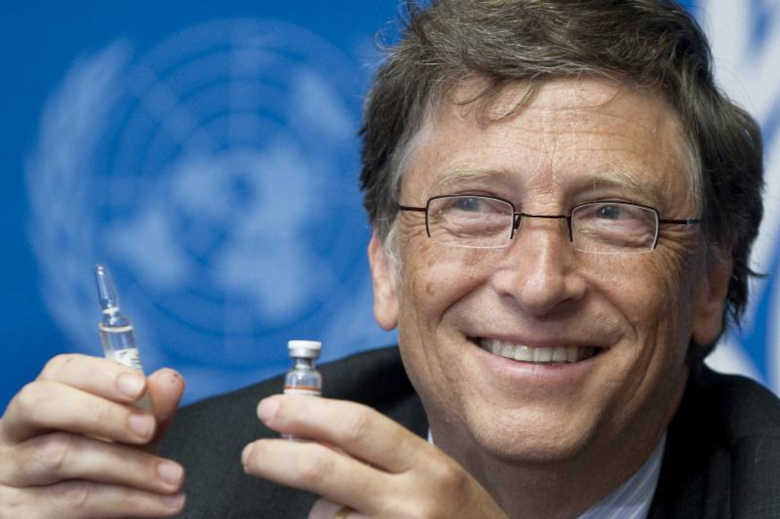
Bill Gates unveiling a vaccine at a press conference, 2011 (Photo: UN Geneva / Flickr [CC BY-NC-ND 2.0])
The Pandemic Treaty
Against the backdrop described above, the need for a Pandemic Treaty was raised, advanced, and ultimately adopted in May 2025. The treaty sets as its purpose “pandemic prevention, preparedness, and response,” and emphasizes as core principles “solidarity with all people and all countries in health emergencies” and the “assurance of equity.” Countries are called upon to work to eliminate “unjust, avoidable or remediable differences between individuals, communities and countries.”
The text states that countries have obligations to promote “research cooperation, access to research, and rapid sharing of research information and results, particularly during public health emergencies of international concern.” It also calls for establishing sustainable and geographically diverse local manufacturing capacity and strengthening the transfer of pandemic-related knowledge, skills, and technologies.
Particularly important is that the treaty establishes a Pathogen Access and Benefit-Sharing System (PABS). The system recognizes that scientific information about pathogens is often collected in countries that do not receive the benefits of vaccine development. Under PABS, participating pharmaceutical companies, in exchange for access to pathogen information, are obliged to provide a share of their production of diagnostics, vaccines, and therapeutics to the WHO. The WHO, in turn, will distribute these to low-income countries.
However, the treaty has faced several criticisms. In particular, observers have pointed out that the level of sharing obligations is relatively low, that there is a lack of enforceability, and that important implementation details are left to future negotiations. Moreover, although the treaty was adopted by consensus, the United States had withdrawn from the WHO and therefore did not participate in the negotiations or adoption. Overall, the treaty can be assessed as a small but important step toward improving future pandemic responses.
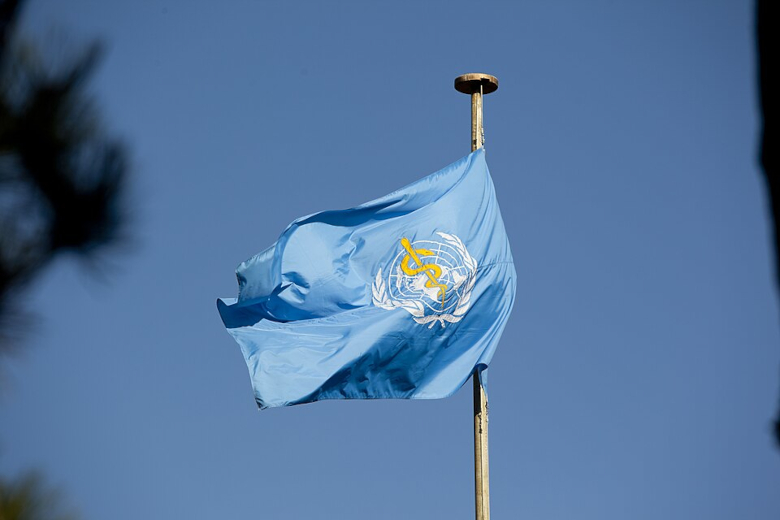
WHO flag (Photo: United States Mission Geneva / Wikimedia Commons [CC BY 2.0])
Japanese media coverage of the Pandemic Treaty
Japan’s major media did not follow the process leading up to the Pandemic Treaty very closely. Although the idea of the treaty was first proposed in 2021, over the following four years the number of articles mentioning “Pandemic Treaty” was only 18 in Mainichi Shimbun, 17 in Yomiuri Shimbun, and 16 in Asahi Shimbun. Around the adoption of the treaty, none of the papers ran front-page stories or special features; only the Asahi Shimbun and Mainichi Shimbun addressed it in editorials.
Moreover, articles published when the adoption of the treaty entered its final stage were all brief, offering little in-depth explanation of the background and the need for the treaty. Many important issues and points of contention were ignored or touched on only superficially. For example, a May 20, 2025 Yomiuri Shimbun article stated that the adoption of the treaty “incorporated strengthened international cooperation, such as the distribution of medicines, based on the lessons of the spread of COVID-19,” but did not specify what those “lessons” referred to. Another article on May 29 offered some background, but its content is questionable. It stated, “Behind its introduction is the reflection that advanced countries hurried to secure vaccines and vaccination in developing countries was delayed,” portraying vaccine inequity merely as a matter of speed. It did not touch at all on structural factors such as vaccine hoarding and intellectual property issues. The same article said, “Negotiations dragged on between advanced countries, which wanted to reduce the burden on companies, and developing countries, which sought expanded support,” obscuring companies’ profit-maximization intent as “reducing burdens,” and describing low-income countries’ demands as “support,” thereby masking the fundamental issue of pursuing equity.
Coverage in the Asahi Shimbun came a little closer to reality. A May 21 article described “a confrontation between developing countries seeking the transfer of manufacturing technologies for medicines and vaccines, and advanced countries wanting to prevent technology leakage,” and on May 26 it reported that “advanced countries bought up vaccines, and the delay in vaccinations due to insufficient supply to developing countries became a problem.” However, these articles were overall still thin on information and did not provide sufficient background. In its May 23 editorial, Asahi also argued, “We hope to see ideas for building a system that also benefits companies.”
Mainichi Shimbun ran slightly more articles than the other two papers. A May 28 article stated that “the focus of the negotiations was mainly how to distribute vaccines and medicines developed primarily by companies in advanced countries to developing countries,” and its June 2 editorial also touched on the problem of vaccine “buying up” by high-income countries. On May 20, it introduced a comment from South Africa’s representative who took part in the negotiations, saying that “special consideration is needed for developing countries,” making it the only one to directly quote a low-income country’s perspective. However, it did not explain what that “consideration” would entail, and offered no further detail.
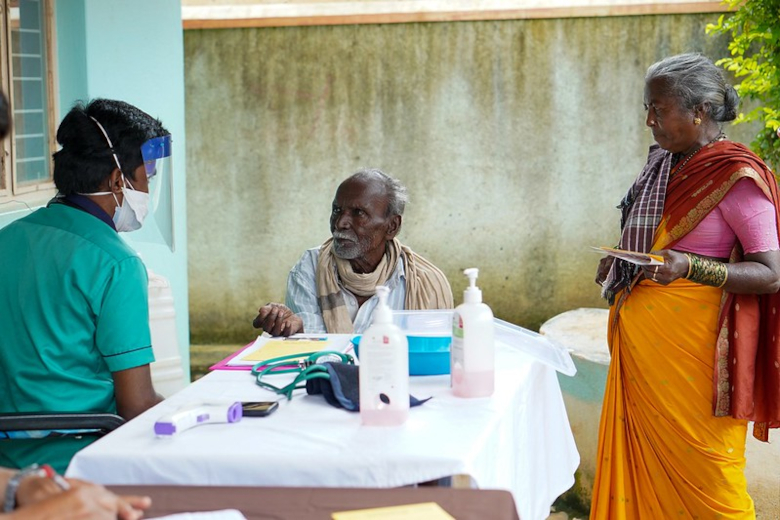
Medical consultation during the pandemic, India (Photo: Trinity Care Foundation / Flickr [CC BY-NC-ND 2.0])
Important issues missing from the coverage
Around the time of the treaty’s adoption, none of the three papers mentioned the fact that many lives were lost in low-income countries due to vaccine inequity, nor that these countries were prevented from producing generic vaccines and other medicines on their own because of intellectual property restrictions. The structural causes of the problem—including the continued refusal of high-income countries to waive those intellectual property rights—were not addressed. Nor was there a critical tone toward pharmaceutical companies that profited enormously from this situation; there was scarcely any mention of them at all.
Interestingly, just five days after the treaty was adopted, Asahi Shimbun ran an interview with Bill Gates titled “I want to set an example: ‘All my wealth for global health’—a conversation with Bill Gates.” The article posed a series of favorable questions about his philanthropy and “Japan’s contribution to global health,” but asked no critical questions about the Pandemic Treaty, intellectual property rights over life-saving medicines, or the profits he made from investments during the pandemic.
Also absent from 2025 coverage was the perspective that vaccines should be treated as a public good during a pandemic. About a year before the treaty’s adoption, in a June 14, 2024 editorial, Asahi Shimbun had written that “medicines during a pandemic should be considered a public good,” and had noted that massive public funding supported corporate vaccine development. But this framing disappeared from coverage at the time of the treaty’s adoption.
All three papers showed interest in the United States’ non-participation in the Pandemic Treaty, but did not clearly address Japan’s own stance and situation. Japan was one of the few countries that strongly opposed intellectual property waivers during the pandemic, presumably to protect the economic interests of Japan’s pharmaceutical industry. Companies involved included Takeda Pharmaceutical, which participated in vaccine distribution and manufacturing during the pandemic, and M3, which provided image analysis technology related to COVID-19, with the result that its representative director, Itaru Tanimura, became a billionaire.
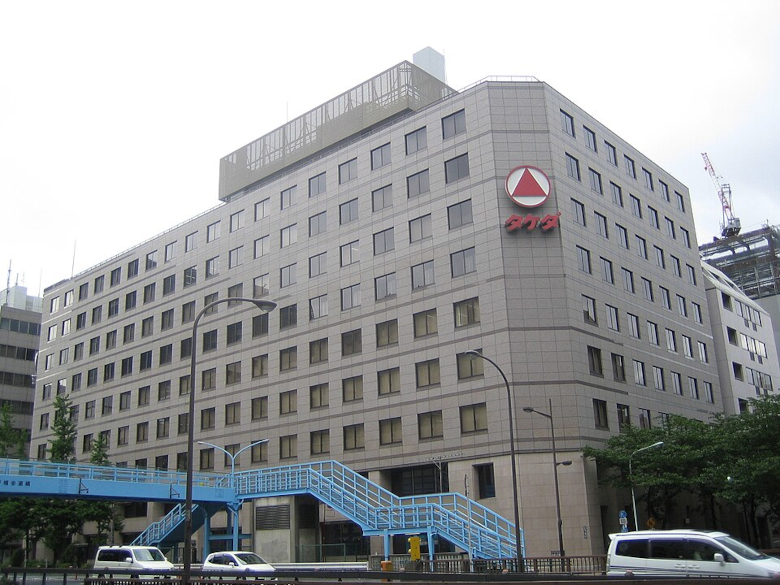
Takeda Pharmaceutical, Tokyo (Photo: Lombroso / Wikimedia Commons [Public domain])
Thus, the Japanese government can be said to bear a measure of responsibility for the loss of life caused by vaccine inequity. Given Japan’s economic scale and the influence of its pharmaceutical industry, how Japan engages in strengthening and implementing the Pandemic Treaty going forward could have a major impact on the world’s future. Yet in the coverage by all three papers, there was no attempt to question the government’s past actions or future stance, and discussion of Japan’s pharmaceutical industry and the handling of its intellectual property rights was entirely absent.
Have any lessons been learned?
The relatively low volume of reporting on the Pandemic Treaty, and the media’s muted interest in key issues surrounding it, is not surprising. Since the COVID-19 pandemic began in 2020, Japanese media have paid little attention to the impact on low-income countries, to vaccine inequity, or to issues surrounding intellectual property.
Of course, the media showed strong interest in the pandemic itself. In the first few months in particular, coverage concentrated so heavily that it accounted for 60–80% of international reporting in major Japanese newspapers. However, attention focused primarily on Western high-income countries and China, where the virus emerged, with very little reporting on the plight of low-income countries. For example, among Asahi Shimbun articles in 2020 that included “corona” in the title, only 1.9% concerned Africa and 2.3% concerned Latin America (Note 1).
Intellectual property issues in general also received scant coverage. In a content analysis of Asahi Shimbun conducted by GNV in 2021, interest in intellectual property related to COVID-19 vaccines focused mainly on the U.S. government declaring support for a patent waiver, with little mention of low-income countries’ vaccine access problems. In fact, Asahi Shimbun, Mainichi Shimbun, and Yomiuri Shimbun all failed to publish a single article in 2020 on the India- and South Africa-led proposal at the WTO seeking a waiver of COVID-19-related intellectual property rights—a proposal supported by more than half the countries in the world. Despite both countries being hit hard by the pandemic, in Asahi’s coverage of COVID-19 in 2020, India was the 13th most covered country and South Africa the 41st.
Children learning with masks (Photo: RDN Stock project / Pexels [Pexels License])
Conclusion
The COVID-19 pandemic inflicted devastating impacts not only through the virus itself, but also through the response measures. As noted above, while actions related to the development, production, and supply of vaccines and medicines were a major problem, lockdowns and restrictions on movement and activity also caused enormous damage to lives and economies, costing many lives. Global inequality also widened sharply. Many new billionaires were created, and the wealth of existing billionaires increased rapidly, while the number of people falling into what the World Bank calls “extreme poverty” rose by about 100 million. Furthermore, many governments used the pandemic to restrict civil liberties and voices (especially those who questioned policies) and to consolidate power.
The COVID-19 pandemic also showed how short-sighted a domestically centered news orientation is in a globalized world. Infectious diseases respect neither borders nor nationalities. During a pandemic, the inadequacy of “international cooperation” becomes more conspicuous than ever. This is not merely a matter of charity, but of human rights and equity. At the same time, cooperating globally to prevent and contain future pandemics benefits high-income countries as well. As the Asahi Shimbun pointed out on May 26, 2025, “As long as there are countries or regions where infections continue to spread, pathogens will mutate and spread again around the world.” Stopping others’ outbreaks protects one’s own safety.
Judging from Japanese media coverage of the COVID-19 pandemic and the recently adopted Pandemic Treaty, it is hard to say that sufficient lessons have been learned. Now is the time to change that.
Note 1 Data assistance: Seita Morimoto
Writer: Virgil Hawkins







.jpg)

_2.jpg)
Your article helped me a lot, is there any more related content? Thanks!
Thank you for your sharing. I am worried that I lack creative ideas. It is your article that makes me full of hope. Thank you. But, I have a question, can you help me?
Your article helped me a lot, is there any more related content? Thanks!
I don’t think the title of your article matches the content lol. Just kidding, mainly because I had some doubts after reading the article.