
In 2018, the Democratic Republic of the Congo briefly came under the spotlight when Dr. Denis Mukwege, a physician who has continued to treat women survivors of sexual violence in conflict, was awarded the Nobel Peace Prize. Many were likely shocked by the brutality of the sexual violence.
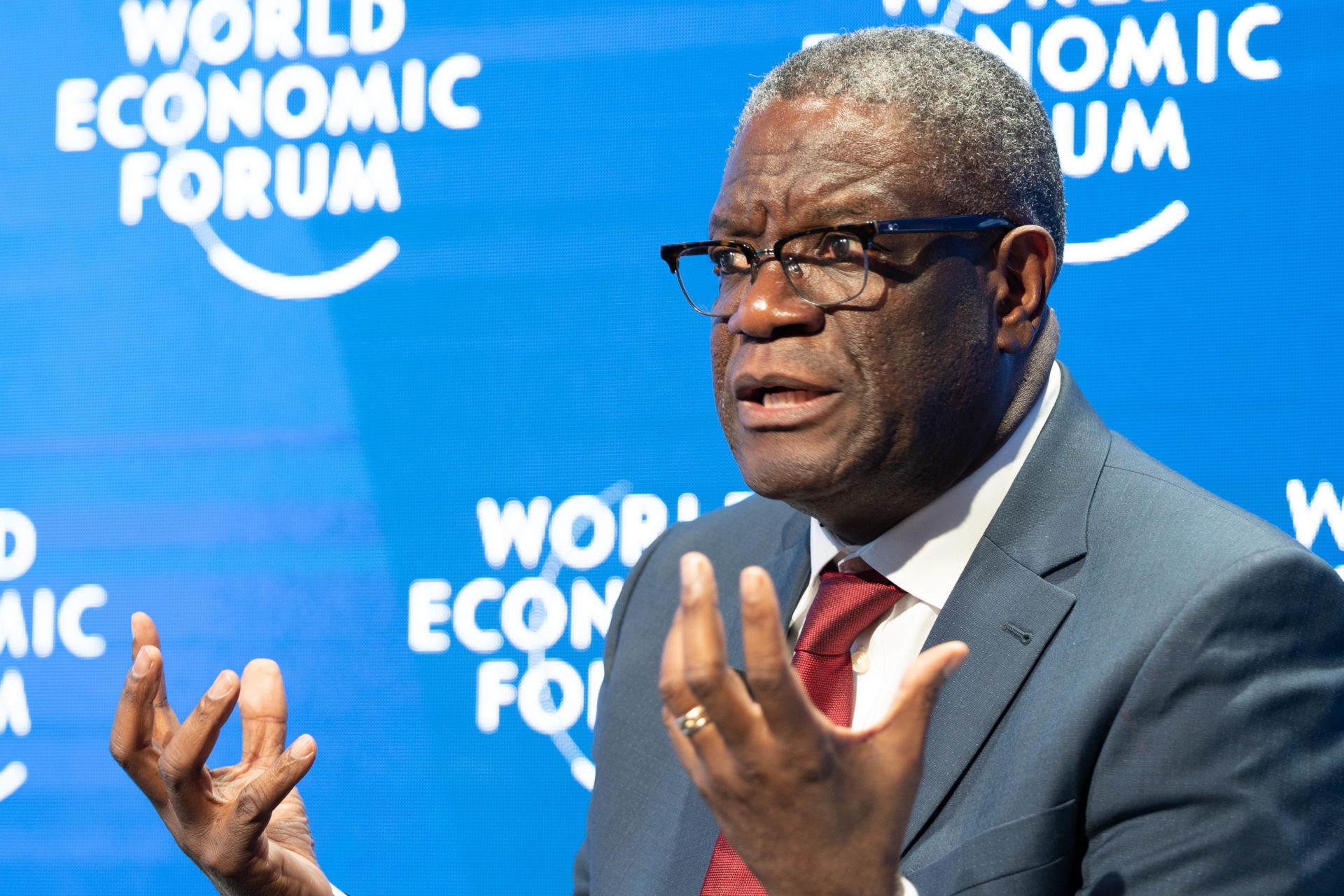
Dr. Denis Mukwege (Photo: World Economic Forum / Flickr [CC BY-NC-SA 2.0])
But that is not the only reason the Democratic Republic of the Congo deserves attention. This country, whose area rivals that of all Western Europe combined, is the site of the world’s largest conflict, which has exerted and in turn received enormous influence on neighboring regions. The world’s largest United Nations peacekeeping operation(PKO)has also been deployed. And at the end of 2018, a historic transfer of power took place for the first time in roughly 18 years. It was the first peaceful and democratic change of government since independence in 1960. The election, which had been delayed for two years, was crucial in bringing an end to a long-standing authoritarian regime. The Democratic Republic of the Congo also produces many of the mineral resources the world needs.
Thus, although the DRC has no shortage of elements worthy of coverage, how much is it actually reported on? This article explores the reality.
Challenges facing the Democratic Republic of the Congo
The realities the DRC faces are severe. The conflict in this country has claimed the highest number of lives since the Korean War of the 1950s, with more than 5.4 million people killed between 1998 and 2007 (no mortality surveys have been conducted since 2007). Until 2003 it escalated into a large-scale war involving eight neighboring countries, and since then multiple conflicts have continued in the eastern North and South Kivu provinces and the central Kasai region (for more background on the conflict, see this article). In recent years, the number of people displaced by this conflict has been the highest in the world. In 2017, an average of 5,500 people per day—a total of 1.7 million people—were forced to flee their homes. The conflicts in the DRC are extremely complex, with many factors and actors intertwined.
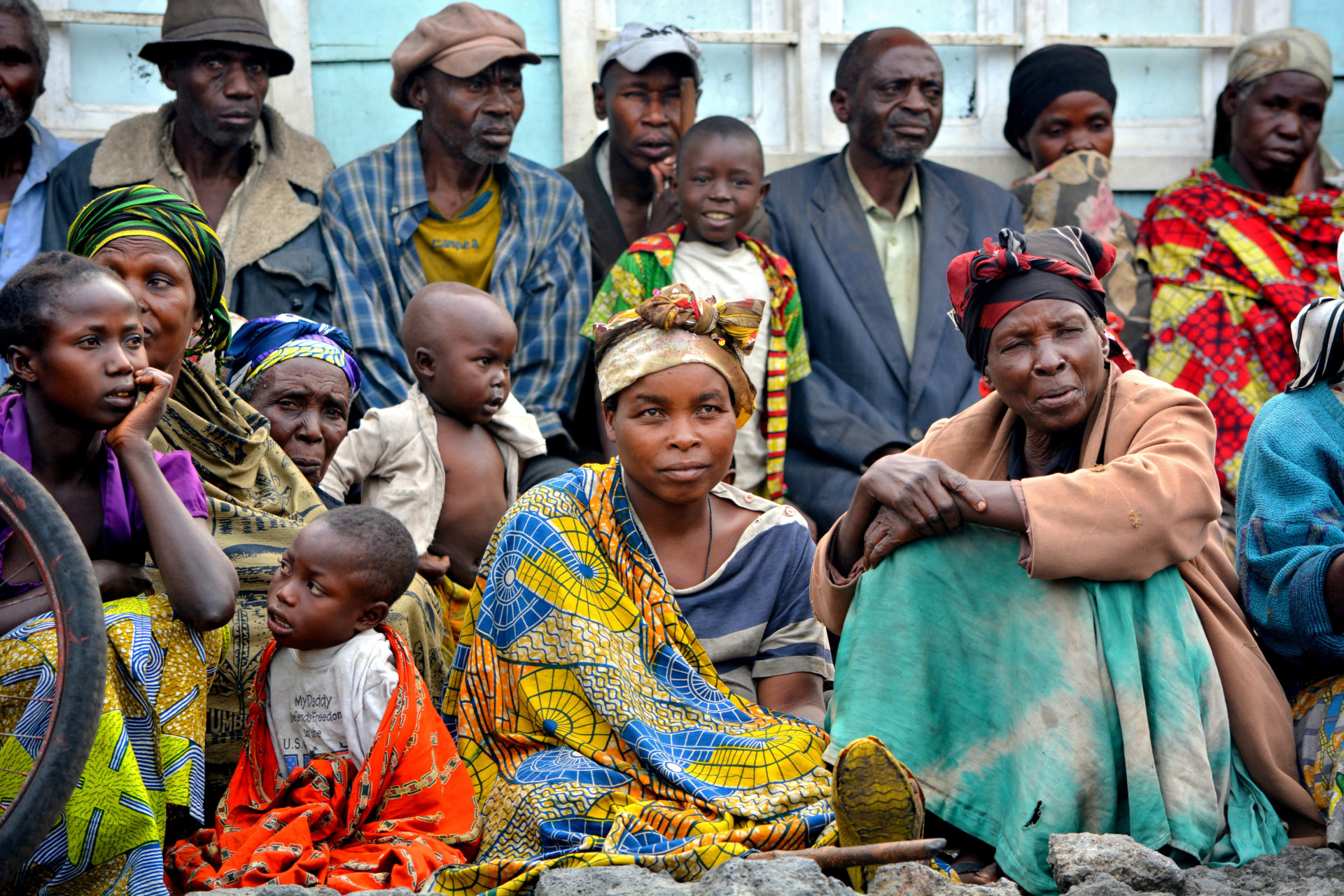
Camp for internally displaced people: Democratic Republic of the Congo (Photo: UN Women / Flickr [CC BY-NC-ND 2.0])
Against this backdrop, the 2018 Nobel Peace Prize brought attention to sexual violence used as a “weapon of war”. Sexual violence in wartime is also called “sexual terrorism”, and in the DRC rape by soldiers and others is rampant as a cheap and effective tactic. Rape in conflict includes brutal acts such as shooting the genitals to injure them. These acts aim to destroy communities by instilling fear and trauma in not only the victims but also everyone who witnesses them, prompting people to flee the area.
But it is not only human lives that are newsworthy. The country is also blessed with mineral resources that support industries around the world, producing cobalt, diamonds, gold, and copper, as well as tantalum, tin, and tungsten—critical for electronic devices. Notably, the DRC ranks first in production of cobalt and industrial diamonds, and second in tantalum. Cobalt, used in lithium-ion batteries, accounts for nearly 60% of global production. Beyond batteries for computers and mobile phones, demand is rising further with the surge in electric and hybrid vehicles. What should make the country prosperous is extracted by foreign companies and appropriated by government officials and armed groups, and competition over these minerals can itself be a driver of conflict.
Another factor destabilizing the DRC is politics. Joseph Kabila, who assumed the presidency in 2001 succeeding his assassinated father, served the two terms permitted by the constitution, and although his mandate ended in 2016, he postponed the presidential election citing a lack of preparation and remained in office. The postponement became a major source of instability, sparking demonstrations and riots that were suppressed by police and others. Amid this, the long-delayed election was finally held in December 2018.
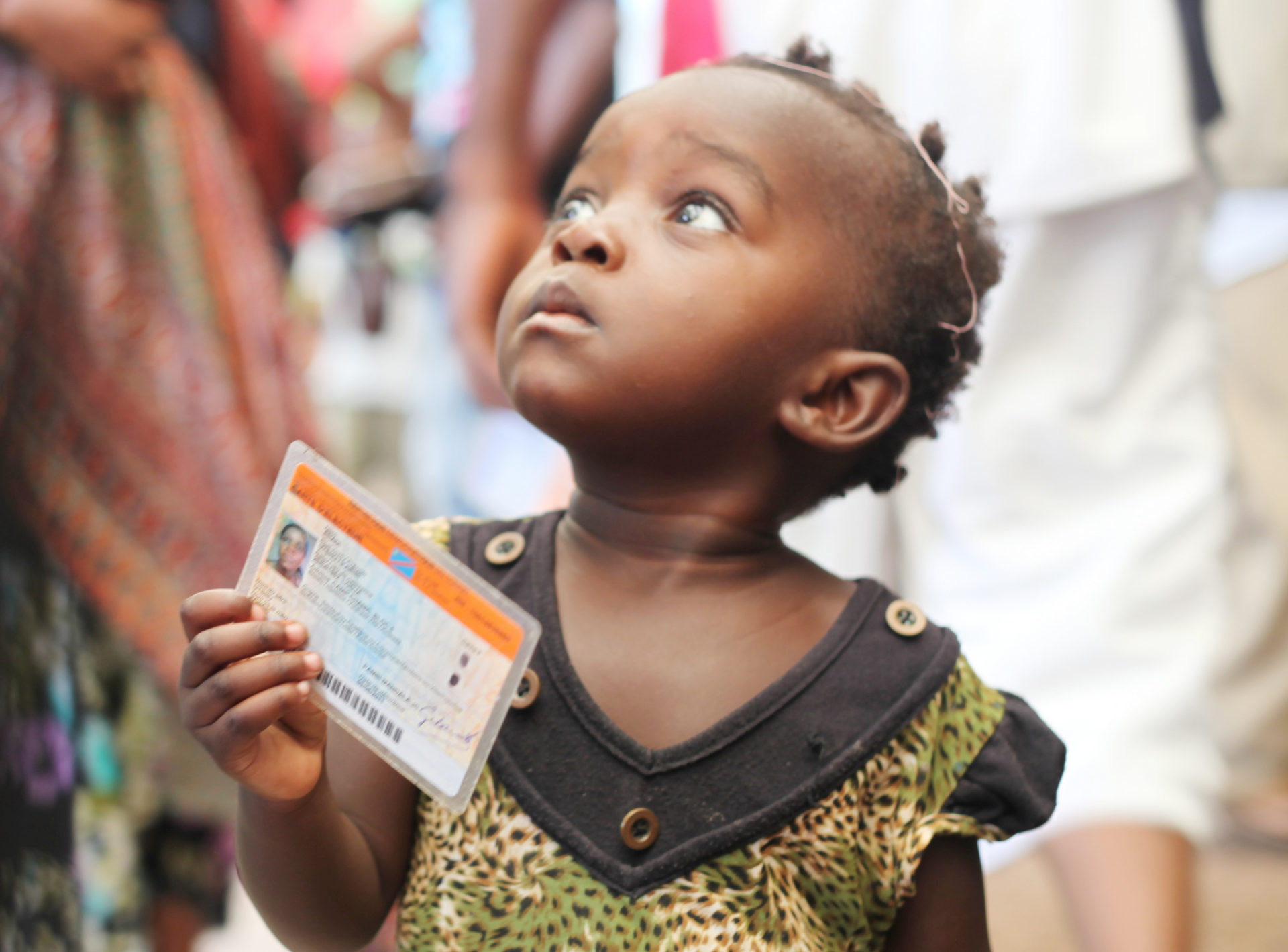
Girl holding her mother’s voter card (Photo: MONUSCO Photos / Flickr [CC BY-SA 2.0])
The DRC is also home to one of the tropical rainforests known as the “two lungs of the Earth” (the other refers to the rainforest of the Amazon basin). Logging continues in this forest, tying it closely to the world’s environmental issues.
The Democratic Republic of the Congo that goes unreported
Given these many challenges, how much coverage does the DRC receive in Japanese newspapers?
We analyzed three Japanese newspapers: Yomiuri, Asahi, and Mainichi. Total text devoted to the DRC in morning and evening editions from 2014 to 2018 amounted to 10,138 characters in Yomiuri, 29,343 in Asahi, and 27,280 in Mainichi. This shows that Yomiuri’s coverage is smaller than that of the other two. On the other hand, is the roughly 30,000 characters in Asahi and Mainichi really sufficient? 30,000 characters over five years is by no means a lot; for example, Mainichi published only two articles in 2015.
To gauge how small the DRC’s coverage is, let’s compare it with a few cases. First, other conflicts. In Yomiuri, the Ukraine conflict—which was featured in the news almost daily around 2014—received 471,048 characters of coverage in one year (2014). By contrast, coverage of the DRC’s conflict that same year amounted to just 444 characters—less than one-thousandth of the Ukraine conflict. Meanwhile, in Asahi, coverage of the Israeli-Palestinian issue—prominent in 2016–2017 due to the move of the U.S. embassy to Jerusalem and peace talks—reached 67,828 characters in 2017 alone, more than double five years’ worth of coverage of the DRC.
The gap is also stark when compared with individual incidents. The killing of journalist Jamal Khashoggi at the Saudi consulate in Istanbul, Turkey, on October 2, 2018, was widely covered by media worldwide, including in Japan. In Mainichi, 27,610 characters were published over 15 days—exceeding the DRC’s five-year total (27,280 characters). Coverage of a single person’s death rivaled all reporting on five years of events in the DRC.
Next, let’s compare with coverage of global accidents. Do you remember the rescue drama in the Thai cave that captivated the world in the summer of 2018? In Yomiuri, the series of reports on the rescue of 18 boys amounted to 10,770 characters in 17 days from July 3 to 19, 2018—surpassing the DRC’s total coverage over five years.
In some cases, the paucity of DRC coverage is apparent even compared with topics bordering on entertainment news. In 2017, the British royal family was widely covered for stories such as an engagement and the birth of a prince; as the graph below shows, the volume of coverage in Asahi and Mainichi was roughly on par with that of the DRC, and in Yomiuri it was about three times higher. Despite the DRC having the largest number of displaced people in the world that year, it received at most the same level of attention as the domestic affairs of one country’s royal household.

Loading…
Content of the coverage
Despite the very small amount of coverage of the DRC in all the newspapers, what exactly do they report?
As the graph below shows, the most frequently covered topic over the five years was the Nobel Peace Prize. In October 2018, Dr. Mukwege, a Congolese physician who provides free medical care to women who are victims of sexual violence in conflict, received the Nobel Peace Prize, shining a spotlight on the realities of sexual violence in wartime. Coverage in October, when the award was announced, and in December, when it was presented, alone accounts for 35% of all DRC reporting over the five years—underscoring how little and how skewed the coverage is. Yet only about 13% of the total reporting dealt with the conflict that underlies these issues. Even considering that the world’s largest PKO is deployed, coverage of the conflict/PKO is extremely limited. It is hard to say that a conflict this complex can be conveyed with such scant reporting.
Loading…
An election that was anything but straightforward: how much coverage did it get?
This election was far from smooth. The sequence began in August 2018 when President Kabila named Emmanuel Ramazani Shadary, former deputy prime minister and interior and security minister, as his successor and announced he would not run himself. The vote set for December 23 that year was postponed by one week, and the provisional results scheduled for January 6, 2019, were also delayed. Ultimately, the leader of the largest opposition party, Étienne Tshisekedi, was declared the winner. However, the result raised suspicions, as it differed significantly from the tallies of the African Union (AU) and Catholic Church election observers, with many believing the winner had been switched through manipulation. In the end, the Constitutional Court recognized Tshisekedi as the new president.
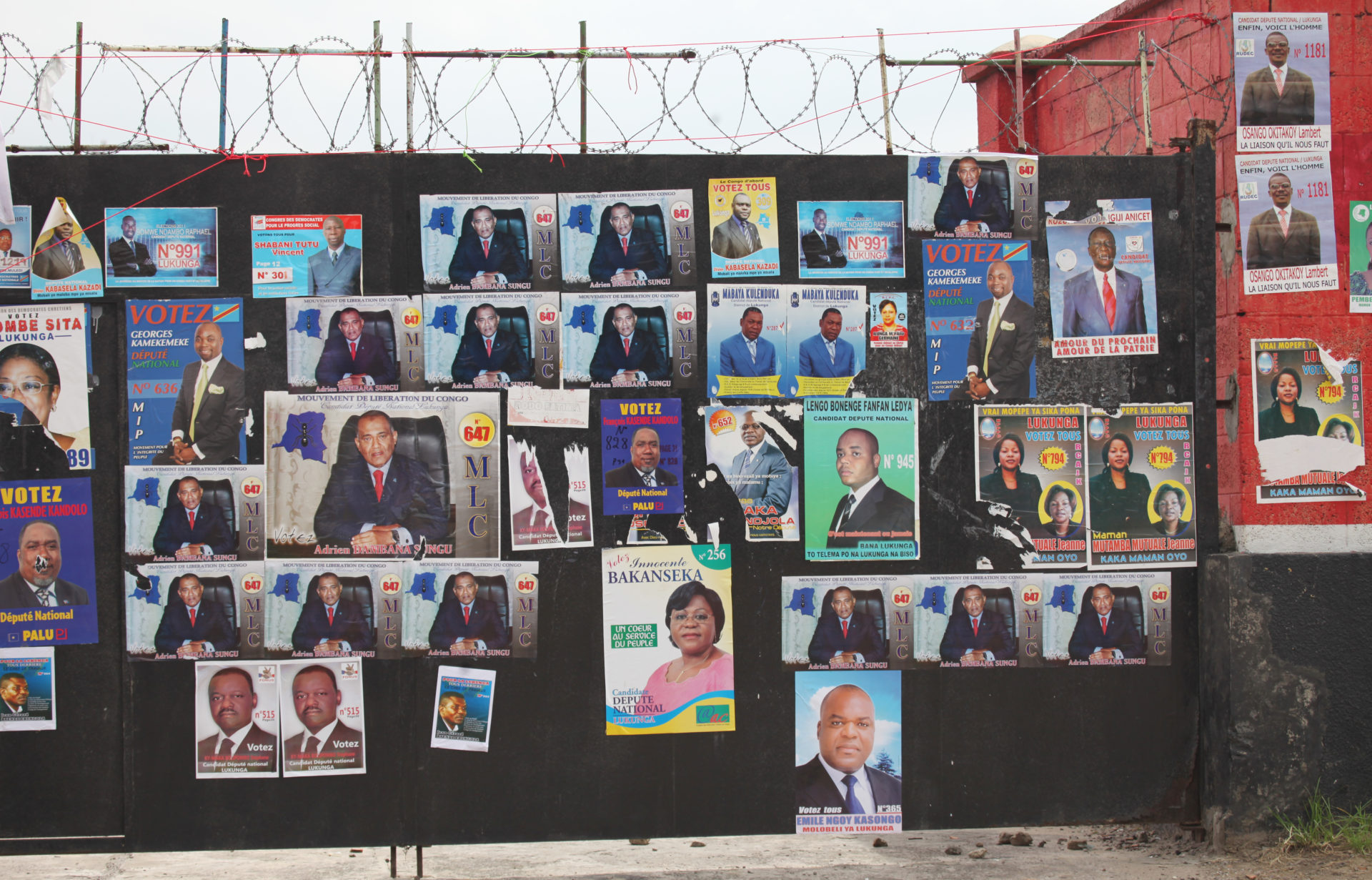
Election poster in the capital, Kinshasa (Photo: MONUSCO Photos / Flickr [CC BY-SA 2.0])
Now let’s look at coverage of the DRC’s historic 2018–2019 election mentioned above. Using the Yomiuri morning edition for data (※1), the total volume of reporting before and after the DRC’s election amounted to only 1,403 characters. This is about one-fiftieth of France’s 60,499 characters, and roughly one-tenth of the coverage for Germany (15,289) and Indonesia (14,808). Compared with other countries as well, the coverage is overwhelmingly small.
After nearly two decades of Kabila’s rule—a politics that can be seen as one of the causes of the conflict and that generated persistent instability including demonstrations—his administration came to an end, and despite lingering doubts, a new government was formed through a process that could be called at least somewhat democratic. Even though this marked a major turning point for the country and the region, the country’s politics did not attract significant attention. Corruption related to the election also remained largely in the dark.
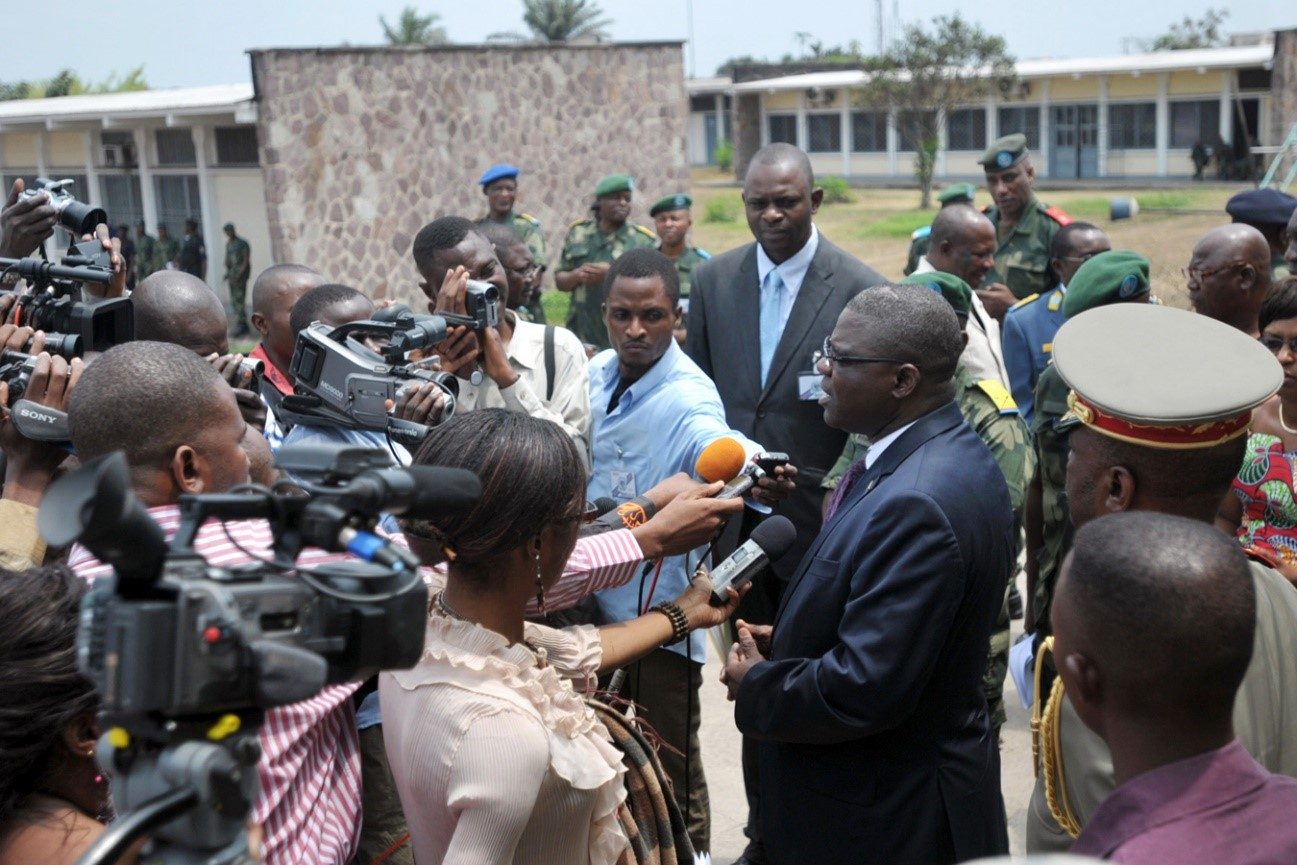
Scene from reporting in the Democratic Republic of the Congo (Photo: US Army Africa / Flickr [CC BY 2.0])
We have looked at the many issues the DRC faces and the volume of reporting it receives, but is the coverage commensurate with the scale and severity of the problems? Countries like the DRC have lives that should be saved and issues that should be resolved, which require attention and recognition through reporting. Precisely because it is not in the spotlight, there is little emergency and development aid, and more lives are lost. Africa is not a distant, unrelated region. Many lives are being lost there, significant historical developments are underway, and the ties with other countries in terms of mineral resources and environmental issues are immense. Considering all of this, the problems facing the DRC cannot be separated from the rest of the world. The media must not forget how closely interconnected the world is. It is time to reassess the balance of coverage.
Writer: Madoka Konishi
※1 The period covers from six months before the election until the day the results were finalized. For the DRC, the data runs through January 10, 2019.
We also share information on social media!
Follow us here: ↓



ノーベル賞という“ビッグイベント”で初めてスポットライトがあたる報道。かく言う私もそのイベントで初めて反応した者の一人です。そう考えると如何に私たちがメディアにその興味を左右されているかを実感します。
性的テロリズムというワードを初めて知った。
性暴力を始め、深刻で複雑な問題がコンゴ民で起こっているにもかかわらず、タイの救出劇の方が圧倒的に多く、日本のニュースの優先順位に甚だ疑問を持ちました。