
When you hear the word “refugee,” what comes to mind? That accepting them would be a “burden” or a “weight” on the country? Many people may make such associations. The negative image of refugees and migrants can be inferred from the way global affairs are covered in recent reporting. Brexit in the United Kingdom, immigration restrictions under the Trump administration, and opposition to refugee policy in Germany are examples. Accepting refugees is said to “cost money,” “worsen public safety,” and “take jobs.” Some people think taking in refugees is an overall negative for a country. But are these impressions actually correct? For people living in countries that accept few immigrants or refugees, it is surely hard to imagine what they bring to host countries. And even in countries that take in many refugees, the way they affect society may not be readily visible.
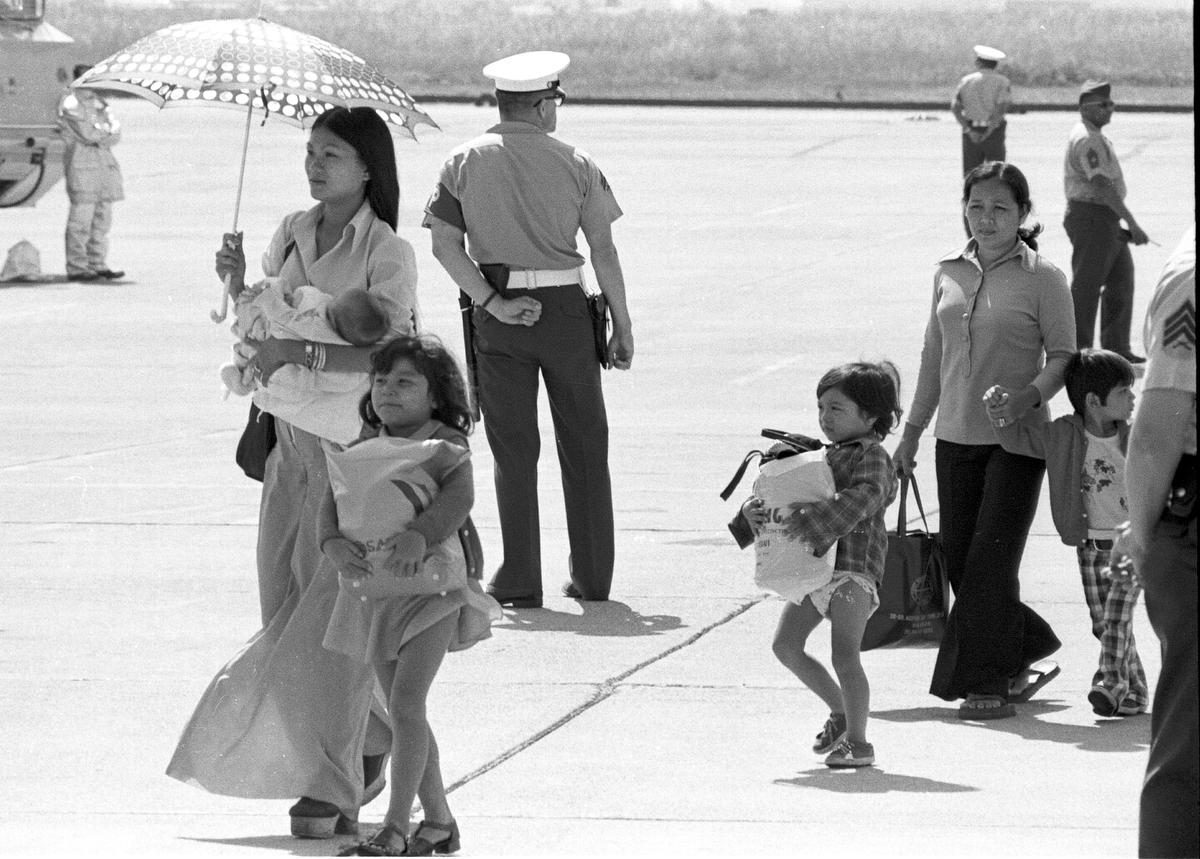
In 1975, the first Vietnamese refugees landing in California, USA (Photo: manhai/Flickr [CC BY 2.0])
Helping people in need is something any person with a conscience would feel is ethically right. As clearly stated in the Refugee Convention in international law, all human beings, including refugees, have the right to enjoy fundamental human rights and therefore have the right to seek asylum. Accepting refugees and ensuring their protection is an international obligation. Moreover, research conducted around the world suggests that taking in refugees is likely a smart choice that brings tangible benefits.
The situation of refugees
Refugees are people who flee their countries for various reasons such as conflict, racial discrimination, and persecution for religious or political beliefs. According to 2017 statistics, their total number, including internally displaced people, is about 68.5 million and has increased for five consecutive years. The main countries of origin, in order of numbers, include Syria, Afghanistan, and South Sudan. Among countries with large intakes are Turkey, Pakistan, and Uganda. Geographic proximity is the strongest factor linking countries of origin and host countries, but Germany, which as a matter of policy accepts many refugees, ranks as high as sixth in the world.
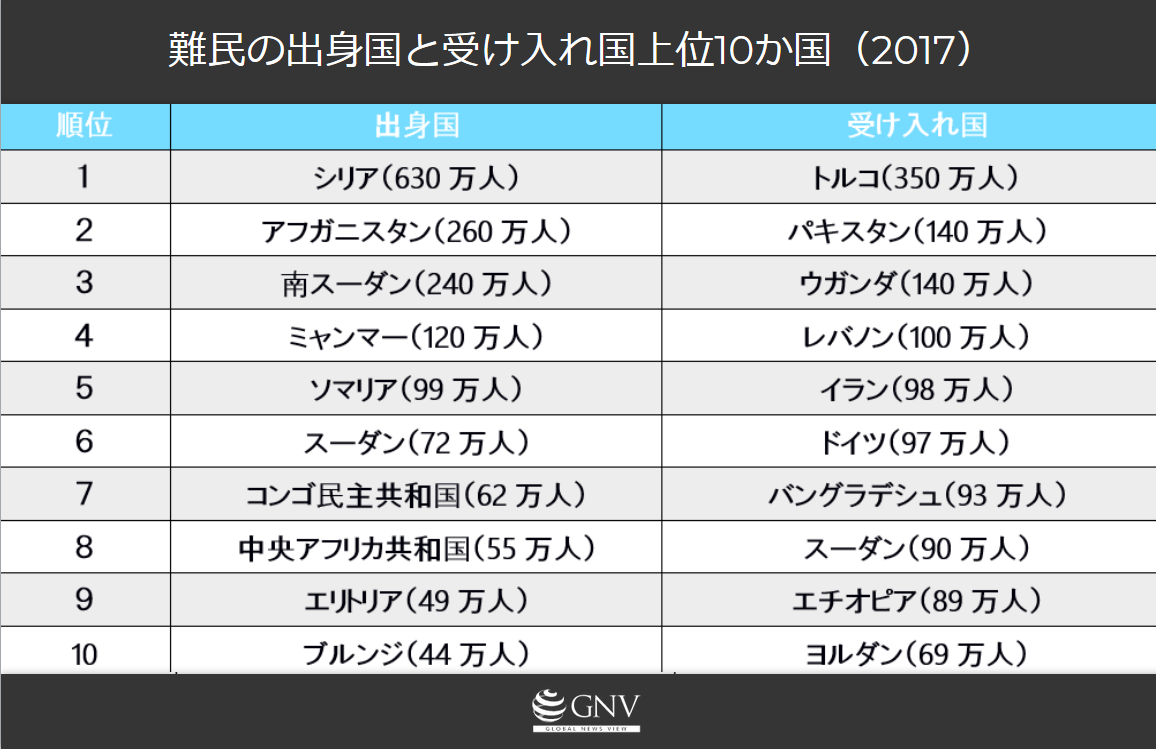
Amnesty data used as the basis
Uganda in particular has accepted so many refugees that in some years its intake has exceeded that of all of Europe, and its openness to refugees is highly praised worldwide. Despite being a relatively small developing country, it has adopted policies that grant freedom of movement and employment and also provide education and health services.
So, what are refugees trying to escape from? As the numbers show, an extremely large number are from Syria, stemming from the armed conflict that has continued since 2011. There is also data indicating that the number of internally displaced persons has reached 6.6 million, in addition to those who have fled abroad. The same applies to Afghanistan, the second-largest country of origin, and South Sudan, the third: refugees are fleeing conflict. The vast majority of refugees worldwide leave their homes to ensure their safety from crises accompanying conflict.
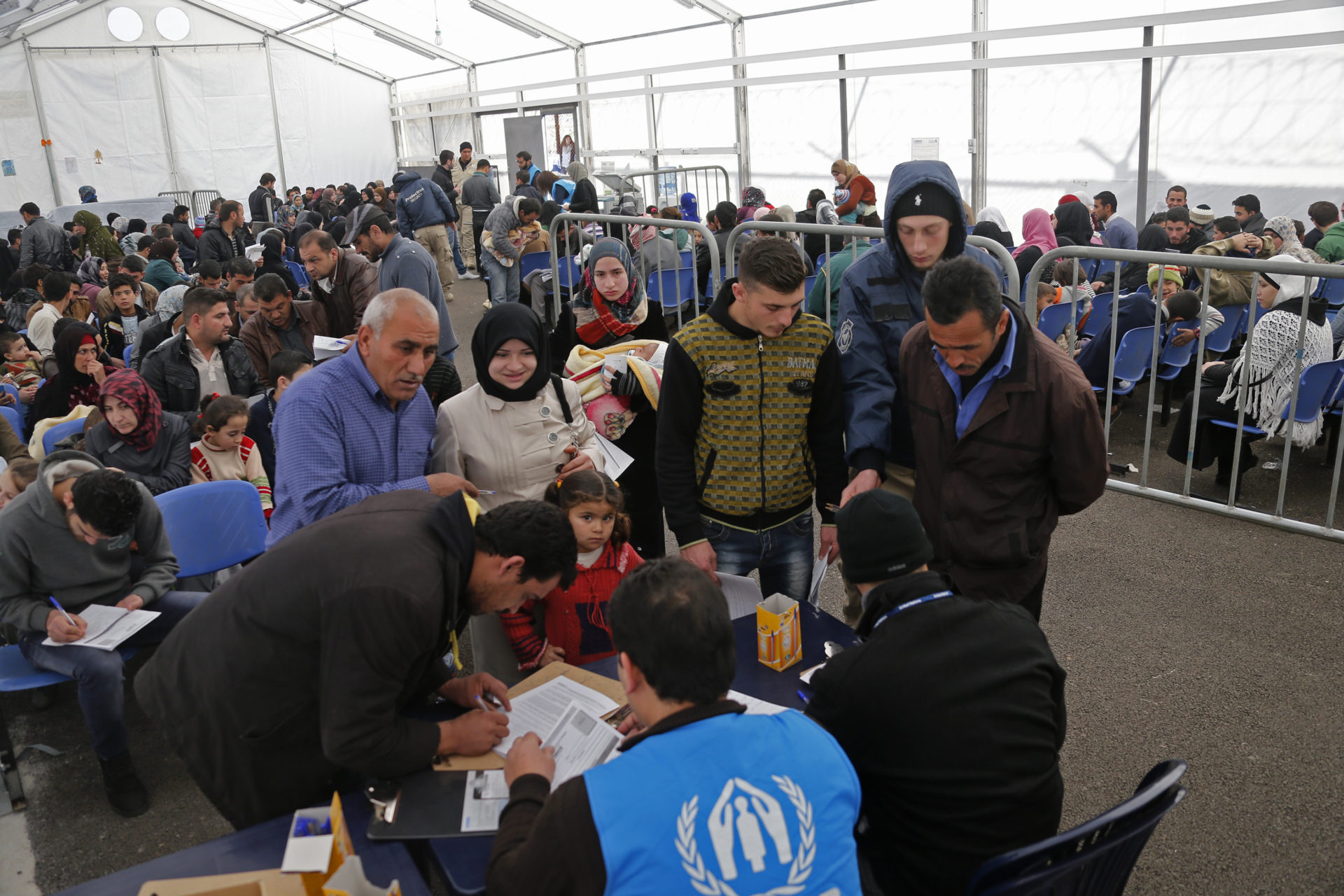
A Syrian family submits a refugee application at a UNHCR registration center in Tripoli, Libya (Photo: World Bank Photo Collection/Flickr [CC BY-NC-ND 2.0])
As noted earlier, it is an international obligation for other countries to protect refugees, who bear no responsibility yet are forced to flee crises. However, around the world many countries are reluctant to accept them. According to 2016 statistics, 84% of refugees live in developing countries, where the share of refugees relative to the national population is extremely high. In Lebanon, for example, one in four people is a refugee. The earlier chart also shows that many refugees shelter in neighboring countries. What should be of concern, however, is how few are accepted by wealthier developed countries. Various “concerns” about refugees likely play a role. Accepting refugees is certainly not straightforward. There must be “reasons” why countries say they cannot take many, but research has refuted many of them, suggesting they are simply “misunderstandings.” Let us look one by one at the issues in accepting refugees, the benefits of taking them in, and the misconceptions about them.
Challenges in accepting refugees
Many refugees are trying to escape danger under pressing circumstances. In some countries it can take years to adjudicate asylum claims, but they do not have that kind of time. Having fled to another country without preparation, refugees often have no money, no jobs, and no language ability for their new place of life. Beyond basic life skills in the destination, building a social life in a different culture is a challenge and requires support from the host over time. In addition, some refugees carry psychological trauma and will need treatment. To accept refugees and secure their livelihoods, it is necessary to provide opportunities for education and work; for that, language skills are essential, and it is difficult to approach a “normal” life while still bearing mental and physical wounds. Considering these points, a solid system must be put in place to accept refugees.
Therefore, accepting refugees entails costs. Support from the host—meaning substantial money, time, and personnel—is required.
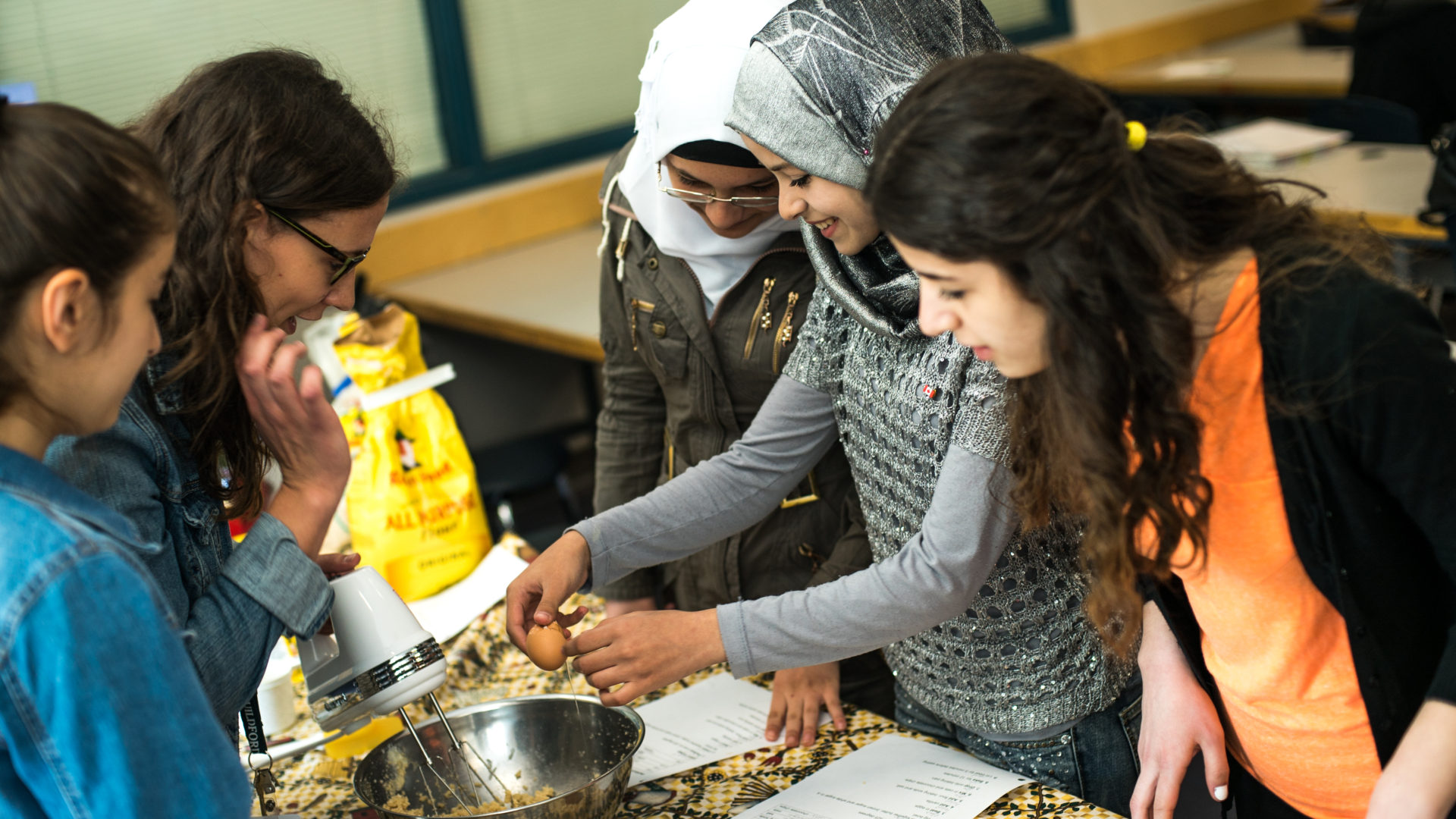
A Canadian school that accepts refugees year-round (Photo: Province of British Columbia/Flickr [CC BY-NC-ND 2.0])
The benefits refugees bring
The cost issues noted above are significant, but research has produced findings that allay those concerns. Let’s first look at the economic aspect. In fact, many economists agree that accepting refugees benefits a country’s economy. There are, of course, costs until refugees settle, but once they do, studies in the United States show they pay taxes that exceed those costs and the social benefits they later receive—by as much as 21,000 USD. Furthermore, a study indicates that if the United Kingdom accepts 260,000 immigrants per year, its public debt could be halved in 50 years. The costs of accepting refugees cannot be denied. However, in the long run, taking in refugees has a positive economic impact.
Moreover, in the United States a higher share of immigrants are entrepreneurs than among natives—they are higher. This is related to the initiative required to undertake the highly risky life event of migrating (or fleeing) to another country, and to different experiences and ways of thinking that spur innovation. For example, Google co-founder Sergey Brin immigrated from Russia to the United States with his family as a child, and Apple co-founder Steve Jobs was a second-generation immigrant whose biological father immigrated from Syria to the United States. When immigrants and refugees start new businesses, they also create new jobs. There are also refugees active in politics. In the United States, for example, Ilhan Omar, a refugee from Somalia, was elected to Congress in 2018. Thus, many immigrants and refugees succeed in their new homes.
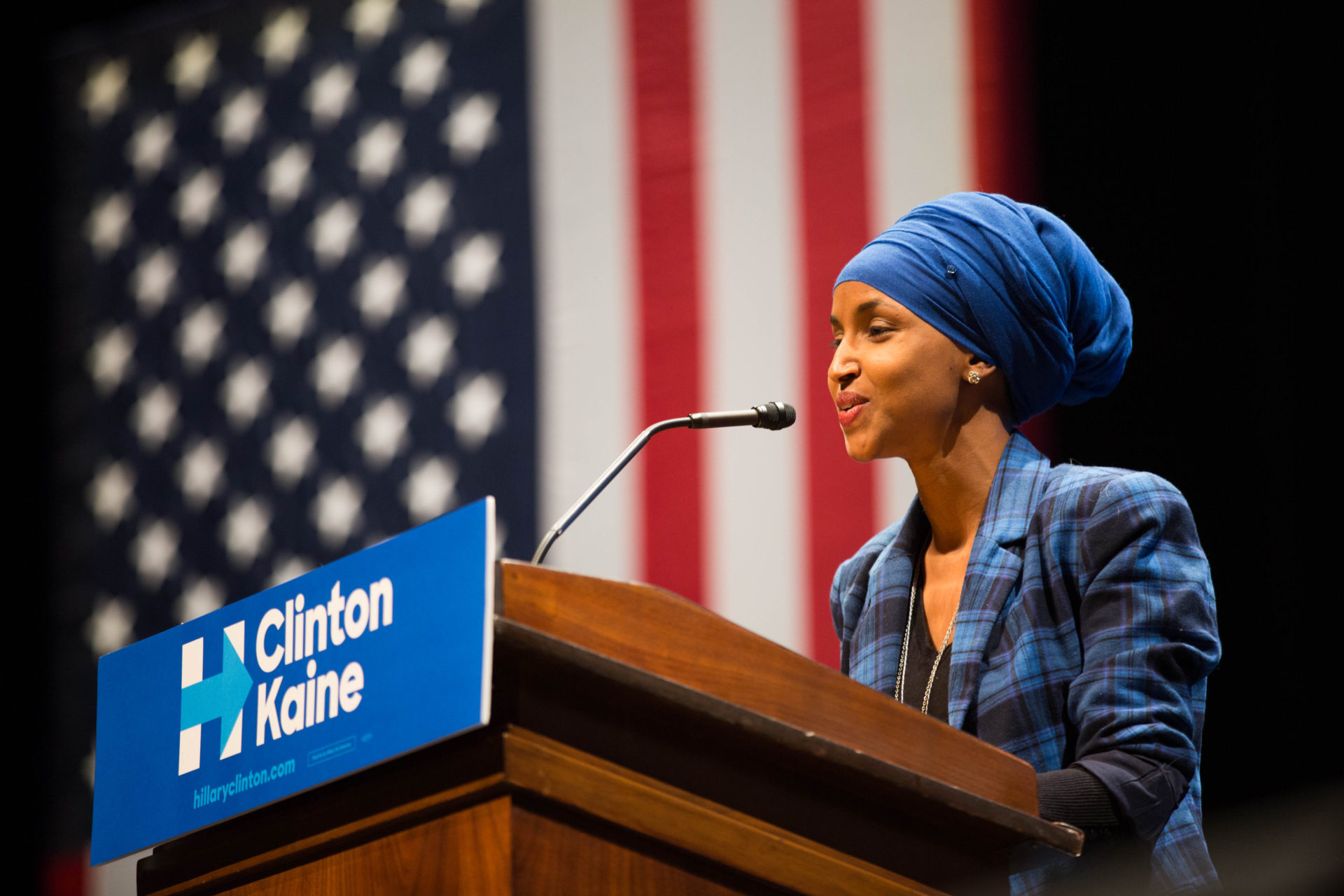
Ilhan Omar delivering a speech (Photo: Lorie Shaull/Flickr [CC BY-SA 2.0])
Accepting refugees can also bring benefits in education. Nearly half of Syrian refugees migrating to Europe are actually university graduates. In other words, many refugees possess professional knowledge, skills, and qualifications, which can greatly reduce education and training costs in the destination. In the UK, for instance, training a doctor from scratch costs about 340,000 USD, whereas licensing a refugee who is already a doctor costs only one-tenth of that—around 34,000 USD.
Furthermore, in many developed countries today, low birthrates and aging populations are an issue, and it is said that accepting refugees could, in theory, mitigate the problems associated with aging societies over the long term. Refugees are younger on average; according to UNHCR data, only 4% of refugees sheltering in other countries are aged 60 or older. If accepted refugees are young on average, they can help replenish the young population and workforce, thereby lead to reducing the burden on younger generations from the fiscal costs of caring for the elderly. Dramatic improvements cannot be expected, of course, but it is an appropriate measure against aging.
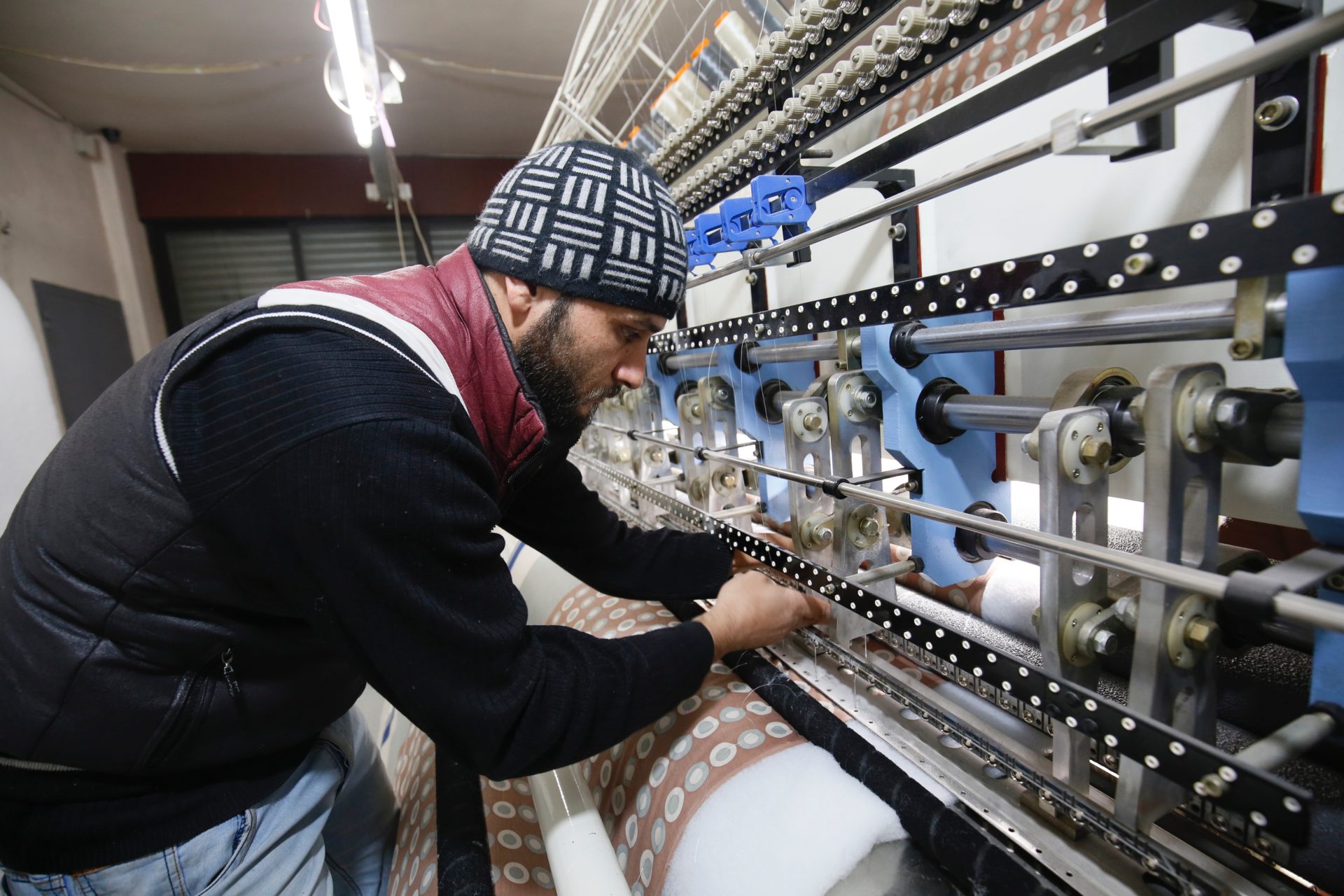
A Syrian refugee working at a textile factory in Lebanon (Photo: DFID – UK Department for International Development/Flickr [CC BY 2.0])
Finally, let’s look at the cultural dimension. It is easy to imagine that accepting refugees from other countries will generate cultural diversity. Refugees bring knowledge and skills different from those of natives, and different cultures as well. If refugees, for example, open restaurants serving their home cuisines, that contributes to culinary diversity. Considering the social achievements of immigrants and refugees mentioned earlier, they can also bring groundbreaking innovation and new perspectives. Cultural friction is often a concern, but conversely, refugees have the potential to “bring” cultural richness; they are therefore not merely recipients who “enjoy” welfare in host countries.
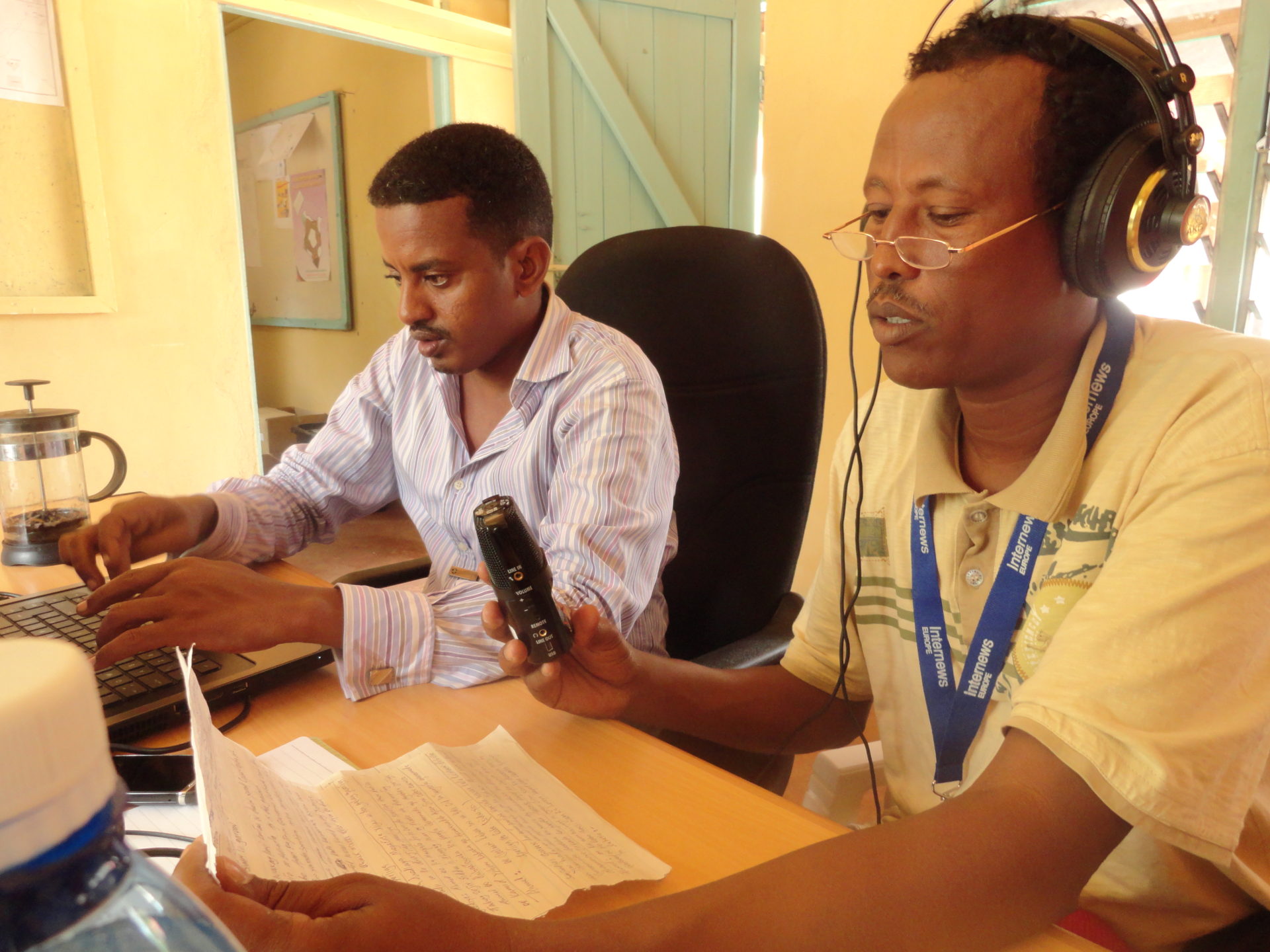
A refugee journalist (right) working in Dadaab, Kenya (Photo: EU Civil Protection and Humanitarian Aid Operations/Flickr [CC BY-NC-ND 2.0])
Conversely, what about the countries of origin? After refugees are accepted abroad, once problems in their home countries subside, many return. When that happens, they also bring back the knowledge and skills they gained in the host country. In other words, they can bring new knowledge and technology to their countries of origin and foster a more diverse and competitive economy. This is often cited with the example of refugees who fled from the countries that made up the former Yugoslavia in the early 1990s, temporarily took refuge in Germany, and later brought back knowledge and skills that yielded significant benefits at home.
Misconceptions about refugees
As seen above, many studies find substantial positives to accepting refugees, yet many people may not be aware of them. A common claim, for example, is that “accepting immigrants and refugees makes public safety worse.” But this misconception is also refuted by research. In the United States, a study shows that the overall crime rate among immigrants, including refugees, is lower than among natives. Looking at specific figures, the crime rate among unauthorized immigrants is 44% lower than that of natives, and among lawful immigrants it is 69% lower. The misconception that immigrants have high crime rates is said to be propagated by those advocating immigration restrictions. Moreover, in a study of the 10 U.S. locales with the highest per-capita intake of refugees, crime rates fell after refugees arrived. Crime here includes violent and property crimes. In these cities, such crimes decreased by 20–25.6%. Terrorism by refugees is often feared as well, but another study in the U.S. found that among refugees accepted over the 40 years from 1975 to 2015, terrorists were virtually nonexistent. The research does not support the assertion that accepting refugees and immigrants raises crime rates.
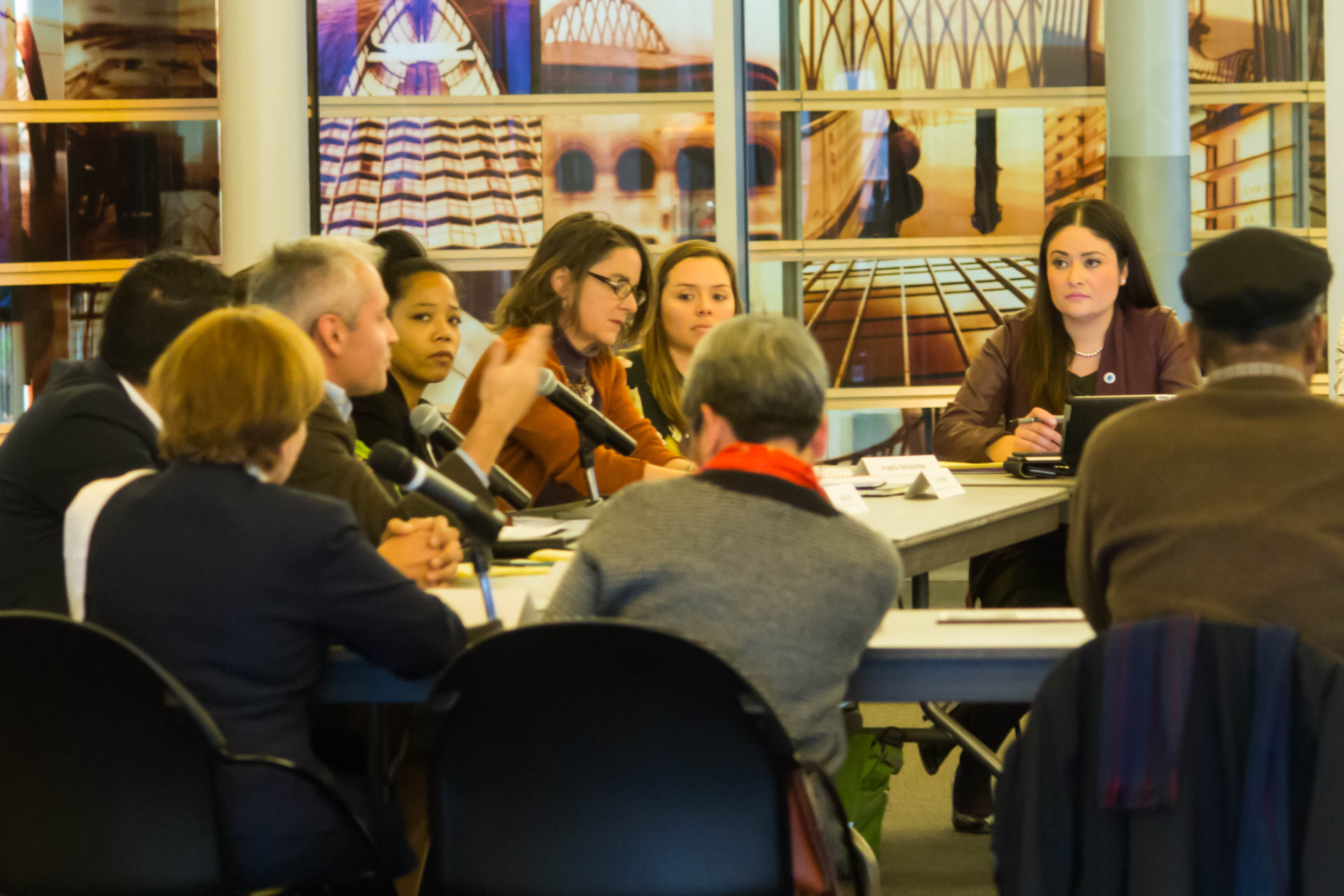
A roundtable meeting between representatives of immigrant and refugee groups and a welcoming city council (Seattle, USA) (Photo: Seattle City Council/Flickr [CC0 1.0])
What about jobs and the economy? This is also one of the most frequently voiced concerns about accepting immigrants and refugees. It is true that the entry of refugees and immigrants into the labor market can have negative effects such as lowering natives’ wages, but in fact such effects are only temporary. According to a U.S. study, there is little actual impact on wages or employment. Where there is an impact, it is often on other immigrants already residing there or on native workers with only a high school education. As noted earlier, refugees often have different skill sets from natives, and many jobs done by natives require high language proficiency, so direct competition with natives in the labor market cannot necessarily be said to occur. Furthermore, multiple studies in the UK show that the economic impact of immigration—positive or negative—falls within 1% of GDP.
In sum, while accepting refugees entails temporary costs, the likelihood that it will worsen public safety or cause job losses is low. As we have seen, over the long term accepting refugees holds great potential to have positive effects in various respects. That said, all of this presumes the host country provides adequate support. If a country is to adopt policies to accept refugees, it needs to prepare in advance, taking cues from countries like Germany and Uganda that have advanced immigrant and refugee policies.
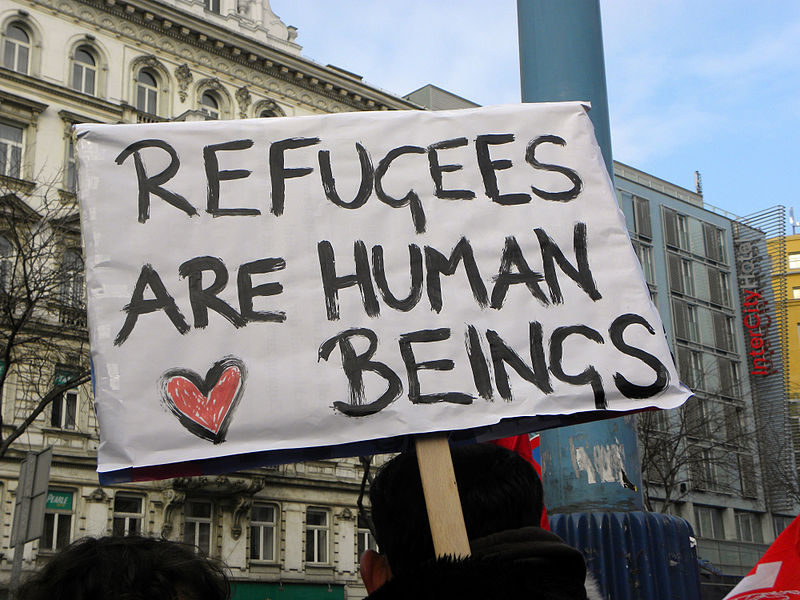
A placard at a 2013 demonstration in Vienna proclaiming the human rights of refugees: “Refugees are human beings” (Photo: Haeferl/Wikimedia Commons [CC BY-SA 3.0])
In any case, human beings have the right to protect themselves from threats to their lives—that is, the right to live. As has been repeated, protecting refugees is an international obligation, and for countries around the world, including advanced economies, accepting refugees is highly necessary from the perspective of international cooperation. All the more so if accepting refugees brings substantial benefits. Taking in refugees entails costs, but depending on how you view it, it can be considered an investment. Some even argue that accepting refugees is a win–win–win—for the refugees, for the host countries, and for the countries of origin. Whether to accept them cannot be reduced to a simple yes-or-no binary, but we should seek and examine accurate information to determine whether the often negative misconceptions and concerns about refugees are in fact true.
Writer: Mina Kosaka
Graphics: Yuka Ikeda







難民条約は締約国に受け入れ義務を課すものではなく(不送還原則はあるけど)、「難民」の定義も各国の国内法によってなされるので、締約国であっても難民の受け入れ数が少なかったりするんですよね…
だけど条約で受け入れを強制するのも、逆に周辺国の負担を増やしてしまうかもしれないし、難民条約から離れる国家が出てしまうかもしれないし…
となると、正しい情報を発信することで難民=厄介なもの、っていう図式を打ち破って、受け入れのハードルを下げていくことが根本的な解決につながるのだろうなとおもいます。
ロックバンド「クイーン」のボーカリスト、フレディ・マーキュリーの伝記映画『ボヘミアン・ラプソディ』が公開されたところだけど、そのフレディー・マーキュリーも難民でしたね。若いときに、ザンジバルで革命が起きて、家族で逃げてイギリスに移りました。
アルベルト・アインシュタインも難民でしたね。それ以外にも、受け入れたところで、社会にも世界にも大きく貢献してきた有名な難民もたくさんいますね。
読み応えのある記事でした。「難民」という言葉に使われる「難」という字も印象を与える一因なのかなと思ったりもしました。幼いころ、私たちにとって困「難」な存在であるのだと勘違いしていたことを思い出します。
悪影響がないだけでなく、むしろメリットがあるという今まで難民に対して抱いていたイメージとまるで違う研究結果で、非常に驚きました。
何の根拠もない先入観だけで、世界が幸せになるウィンウィンウィンの機会を逃しているのは非常にもったいないと思いました!
「難民」に対するイメージを大きく覆す内容の記事で大変興味深かったです。
国民と難民に単純に二分化し、両者間の対立を煽る誤った主張に惑わされないようにしていくべきだと改めて思いました。
難民を受け入れるメリットが研究結果としてきちんと発表されていることに驚きました。日本ではあまり受け入れていないこともありポジティブなイメージが持たれていないことも多いですが、難民に対する正しい認識が広まればいいなと思いました。
意外性のある前向きな記事でよかったと思います。
子どもの難民たちは特に、教育や生活レベルの向上につながる機会を得られるかと思うので、彼らをちゃんと守る団体に活躍してほしいと思いました。
移民、難民に対し誤解が生じているのはやはり負の側面ばかりを誇張した報道が多いからなのかな、と感じます。
難民による好影響が実際に確認されていながら、誤解を招く表現が蔓延っているのは国の思惑などもやはり関係してくるのでしょうか。少し気になりました。
難民を受け入れている国はほとんどが発展途上国であることを初めて知りました。難民はネガティブにとらえられがちですが、先入観にとらわれず、良い影響があることを理解して先進国も難民問題に取り組むべきだと思いました。
データがおもしろかったです。
もっと細かいデータもみたい!
関心が高まりました。
治安の問題についてはアメリカの話では他国での事情と大きく異なるのではないでしょうか。(他の先進国などと比べた元々の治安など)
難民は人間。
もっともな言葉ですが、同時に責任転嫁の言葉でもあります。
何故なら、この言葉を用いたとき、人は他者ひいては国へ難民の責任を押し付けているから。
行動と責任は国へ投げ、主義主張を何の責任を負うことなく発する。
とても無責任です。