
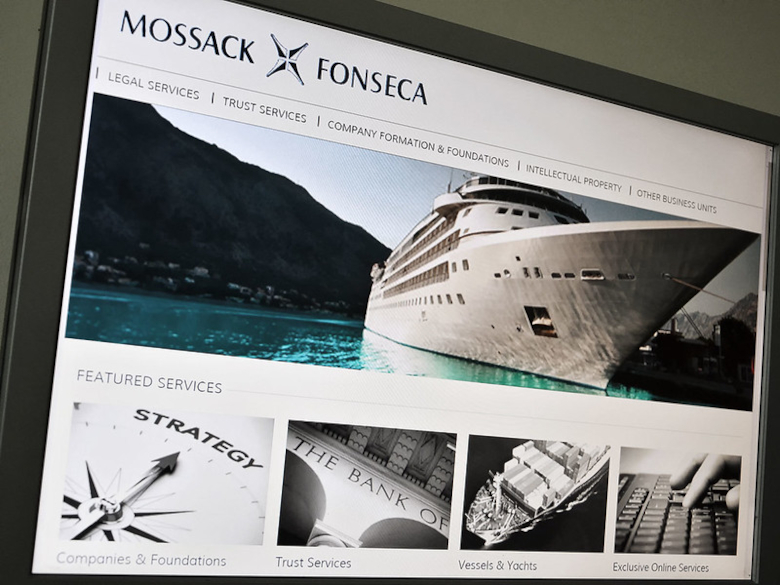
Do you remember the series of upheavals that shook the world when the Panama Papers were exposed by the International Consortium of Investigative Journalists (ICIJ)? The Panama Papers refers to confidential documents on financial transactions using tax havens that leaked in April 2016 from the Panamanian law firm Mossack Fonseca. They listed 214,000 companies and 14,000 individuals. Not many may remember or understand the details, but most people have probably heard the term “Panama Papers” at least once. Meanwhile, how many people know that there was another large-scale leak concerning tax havens called the “Paradise Papers”? Through this article, I would like to analyze why there is such a gap in recognition between these two leaks.
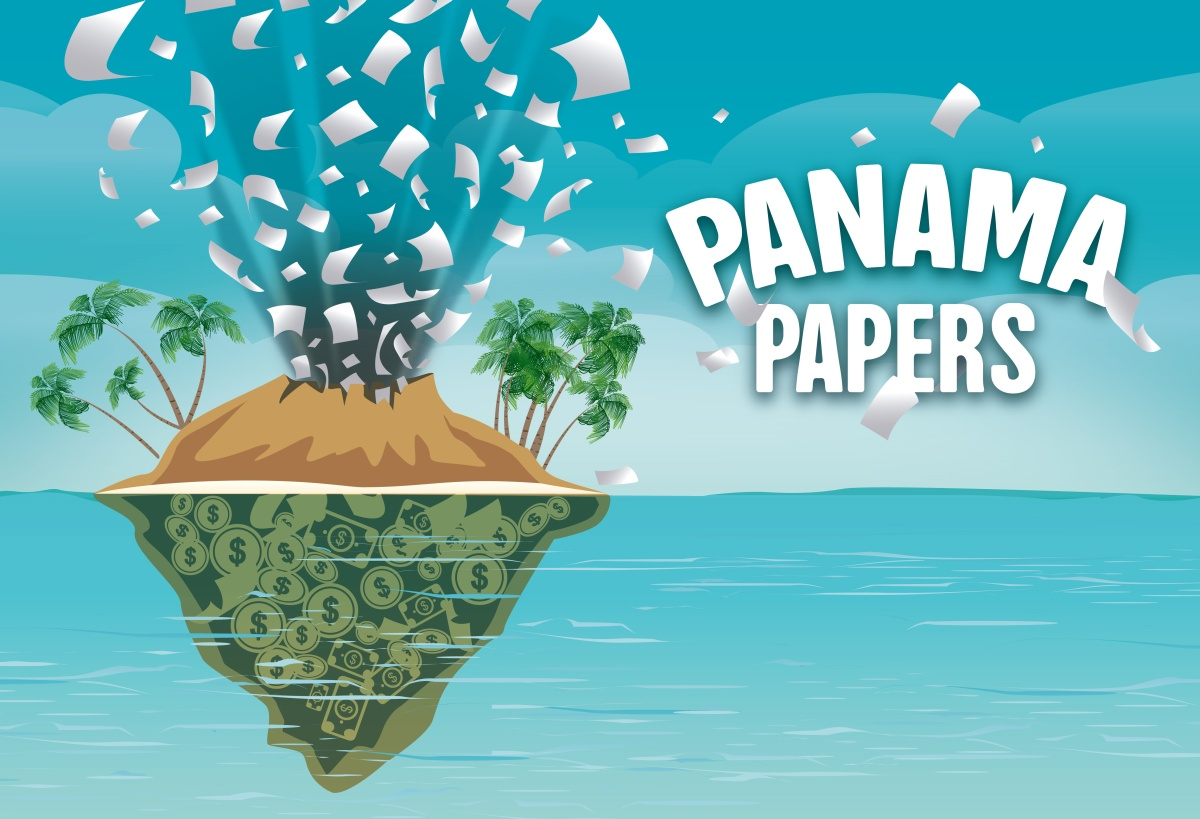
Conceptual image of the Panama Papers (Photo: VectorOpenStock/Wikimedia/ CC BY-SA 3.0 ])
A series of leaks about tax havens
To begin with, the Panama Papers were not the first leak exposing secret dealings and tax avoidance/evasion by the world’s wealthy and corporations using tax havens. Even before the Panama Papers, the ICIJ had disclosed details of tax havens through leaks such as China Leaks, Luxembourg Leaks, and Swiss Leaks. And as mentioned above, after the Panama Papers came to light, many secret transactions by companies and individuals were exposed through the Bahamas Leaks and the Paradise Papers. Tax havens are jurisdictions where tax rates are low or zero and where there is no effective exchange of information with other countries. In many cases, transactions are conducted in countries or regions other than where the headquarters or actual business activities are located (offshore). It is notable that wealthy individuals and many large corporations establish affiliates without real substance in tax havens and manage assets through these paper companies to reduce or evade taxes. In this process, the secrecy of tax havens makes the flow of funds extremely difficult to trace.
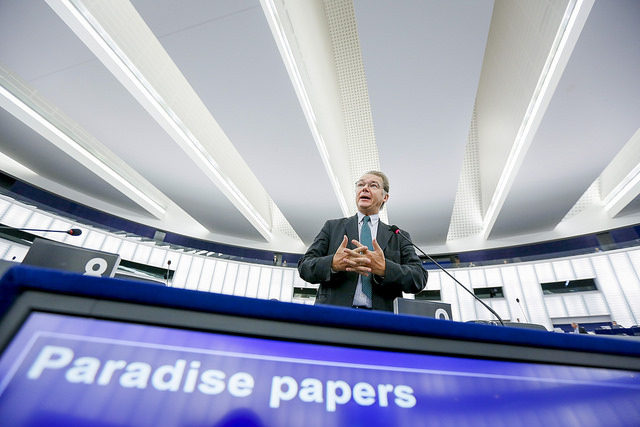
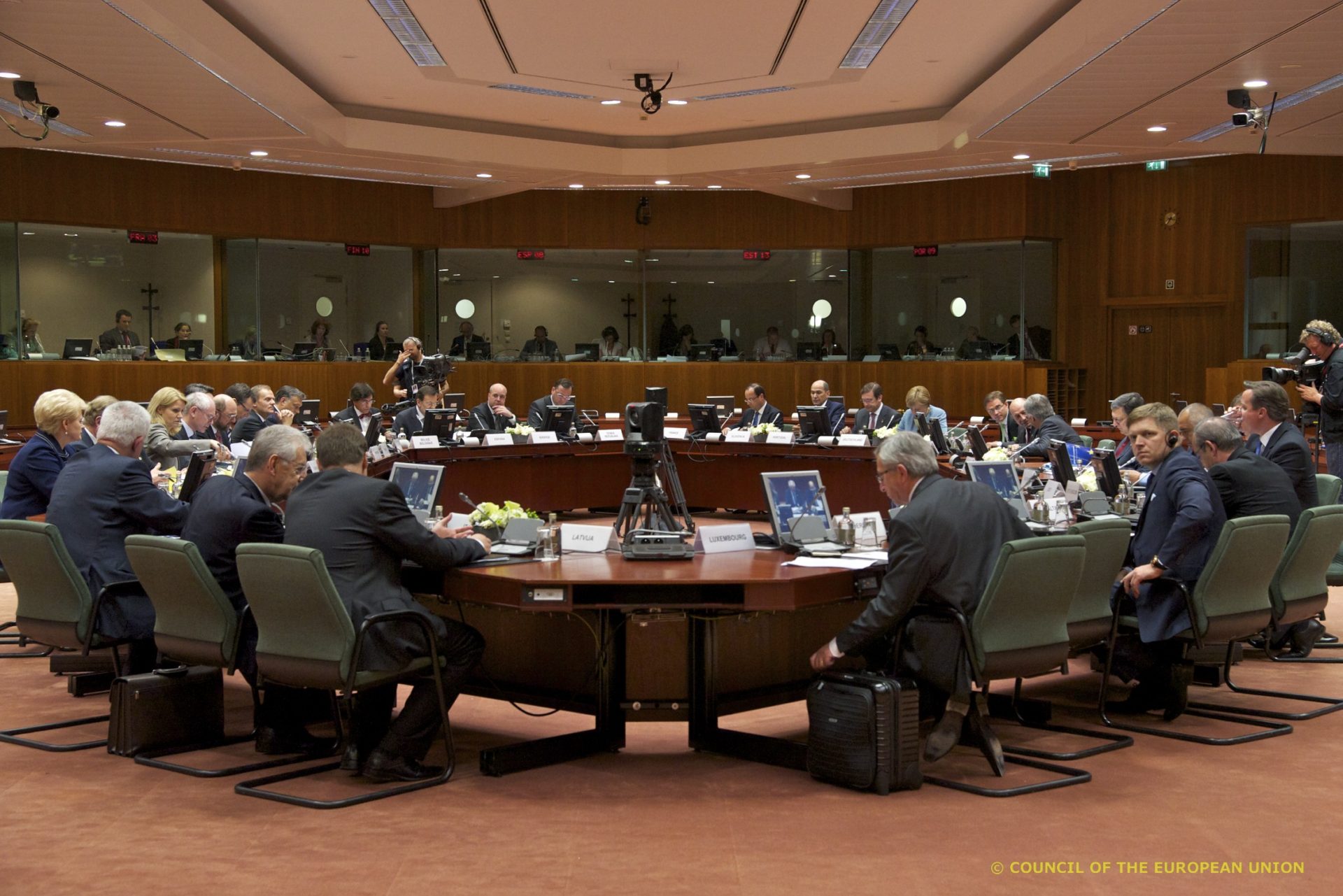
A Member of the European Parliament speaking about measures against tax avoidance and tax evasion (Photo: European Parliament/flickrCC BY-NC-ND 4.0]
Next is a brief overview of the main leaks on tax havens by the ICIJ. China Leaks refers to the January 2014 publication of materials listing people who held offshore companies in China, Hong Kong, and Taiwan—numbering 37,000 individuals. Among them were relatives of Xi Jinping and others closely tied to political and business circles. The Luxembourg Leaks were published in December 2014. They showed how, between 2002 and 2010, the major accounting firm PricewaterhouseCoopers and Luxembourg’s tax authorities colluded to grant tax advantages to more than 340 clients, including Amazon and IKEA. Some tax rates were below 1%, and more than 1,600 companies were registered at a single address. Next, the Swiss Leaks, exposed in February 2015, revealed that the UK-based banking giant HSBC facilitated massive tax avoidance and tax evasion by over 4,000 wealthy clients while also conducting transactions with international criminals such as arms dealers and “conflict diamond” smugglers for profit.
In addition, the Bahamas Leaks, published in September 2016, refers to data containing information on about 175,000 entities established in the Bahamas—a Caribbean tax haven—between 1990 and 2016. Among the corporate officers named was former European Commission Vice-President Kroes. Finally, the most recent leak, the Paradise Papers, leaked in November 2017 from the major law firm Appleby. The trove comprised 6.83 million internal Appleby documents, 566,000 internal documents from the Singaporean incorporation services firm “Asiaciti,” and 6.04 million registry documents from 19 countries and regions including Malta. This revealed, among other things, that a company linked to U.S. Commerce Secretary Ross was doing business with a Russian firm under U.S. economic sanctions.
Volume of coverage on each leak
How extensively were each of these leaks about financial transactions using tax havens reported in Japan? The following shows the volume of coverage about leaks on financial transactions using tax havens since China Leaks. We collected and analyzed data from three major Japanese newspapers—Mainichi, Asahi, and Yomiuri. The period was set to six months from the time each set of confidential documents came to light, and we compared the number of articles related to each leak.

Loading…
In all the newspapers, coverage of the Panama Papers was overwhelmingly higher, while overall coverage of the other leaks was much lower, with some not reported at all. Comparing across newspapers, Asahi Shimbun shows little difference in coverage between the Panama Papers and the Paradise Papers, whereas Mainichi Shimbun and Yomiuri Shimbun show a conspicuous lack of interest in the Paradise Papers.
Why did such differences in coverage arise? First, Asahi Shimbun’s relatively high level of interest in the Paradise Papers is likely due to its involvement with the ICIJ. The ICIJ consists of more than 200 journalists and 100 media organizations in 70 countries, working across borders toward impartial investigative reporting. At Asahi Shimbun, not only was the volume of coverage greater, but the content also tended to dig deeper, reporting more comprehensively on the overall picture of financial transactions using tax havens.
Scale is also likely related to the differences in coverage. Excluding China Leaks, whose size is not disclosed, the sizes of the exposed datasets from left to right in the graph are 4.4GB, 3.3GB, 2.6TB, 38GB, and 1.4TB. (※1) Indeed, the Panama Papers stand out as an enormous dataset at 2.6TB. At the same time, the Paradise Papers are also quite large at 1.4TB, and the other leaks likewise include the names of thousands of companies and individuals; while they may not match the Panama Papers, all were sizable. Why, then, did the other two outlets show such a difference in coverage compared to Asahi? One observation is that our latent images of the people named in the documents play a role. The Panama Papers featured many big names—or their associates—with “negative images,” such as Vladimir Putin of Russia, Xi Jinping of China, Bashar al-Assad of Syria, and Robert Mugabe of Zimbabwe. Other leaks also included famous companies and individuals, but because they did not fit a pre-existing “villain” image, they may not have been treated as newsworthy. Another factor cited as dampening media enthusiasm is a lack of “novelty”: if the content is similar, it is less likely to be covered without a bigger shock than before.
A skewed perspective in tax haven coverage
Next, from the standpoint of content, let’s analyze trends in reporting on tax haven issues. The graph below shows how the Panama Papers were covered in Mainichi Shimbun by category.
Loading…
The six categories were: pieces focused on individuals such as national leaders named in the leak, their associates, and celebrities; companies; banks; analysis/investigative methods; and the impacts/responses in developed countries and in developing countries, respectively. With the G7 summit being held in Japan, coverage of impacts and responses in developed countries accounted for % of the total. The next most common were stories centered on individuals such as leaders, their associates, and celebrities, followed by coverage of analysis/investigative methods. Many articles focused on how an unprecedented volume of data was analyzed through the cooperation of the ICIJ, a cross-border reporting consortium—an aspect that differs from normal reporting formats. Indeed, given the complexity of today’s issues and the size of available materials, such cooperative investigation and analysis will be valuable for media reporting going forward and worthy of coverage. However, if excessive attention is paid to particular aspects, important facets that go unreported may emerge in exchange.
In this case, there was only one article focused on the harms and responses in developing countries. That said, some of the other articles on impacts and responses in developed countries did mention developing countries. We therefore measured how much of the reporting space was related to developing countries in terms of character count.
As a result, the proportion of reporting related to developing countries amounted to only about 1.6% of the total, even when converted to character count. It is clear that tax avoidance and evasion allow potential tax revenues to slip away in both developed and developing countries, harming states and exacerbating wealth disparities. In particular, illicit financial flows are extremely serious in developing countries and can be said to be one of the main causes of poverty.
In tax havens, the line between legitimate commercial activity and improper management of funds is blurred. Through the process of exporting natural resources and more, it is estimated that at least US$82 billion a year flows illicitly out of Africa due to the actions of multinationals, foreign investors, and political elites. For every dollar Africa receives in aid such as ODA, it loses more than two dollars through improper transactions. Among the articles examined, many argued that “assistance” from developed countries is needed to help developing countries, which lack knowledge and human resources, deal with tax avoidance and evasion. However, it can also be seen that it is the developed countries themselves that are extracting wealth from developing countries such as those in Africa, and in essence this can hardly be called “aid.” Unless this serious issue related to tax havens is brought to light, appropriate remedies will be hard to find.
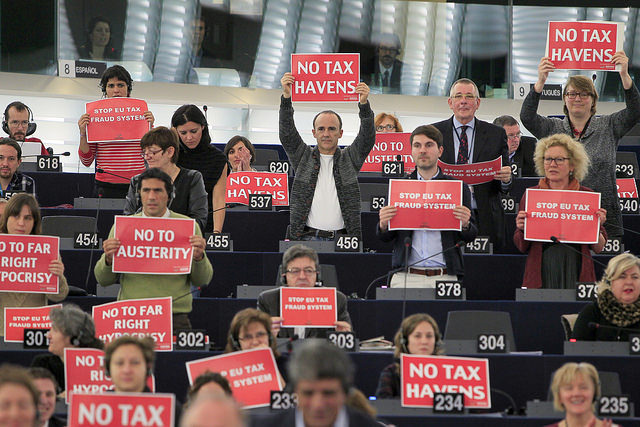
NO TAX HAVENS! (Photo: GUE/NGL/flickr[ CC BY-NC-ND 2.0])
Even in the short period from 2014 to 2017, so many leaks were made and countless hidden transactions and vast assets were revealed—but this is likely just the tip of the iceberg. It may not be an overstatement to say that tax avoidance and evasion via tax havens are not the acts of a handful of “bad” individuals or companies, but rather a normal form of international transactions. And those who suffer the disadvantages from such dealings are developing countries, citizens, and businesses.
From the perspective of developed countries alone, we cannot grasp the essence of the tax haven problem, nor can we say that it leads to fundamental solutions. We need to work on this issue on an equal footing. In that process, the role the media can play is great. Reporting that captures the issue comprehensively while accurately reflecting its realities is needed.
[Footnotes]
※1 In terms of number of files: China Leaks: 2.5 million; Luxembourg Leaks: 28,000 pages; Swiss Leaks: 60,000; Panama Papers: 11.5 million; Bahamas Leaks: 1.3 million; Paradise Papers: 13.4 million.
Writer: Hinako Hosokawa
Graphics: Hinako Hosokawa





ICIJが「西アフリカリークス」を発表しましたね。
https://www.icij.org/investigations/west-africa-leaks/
報道されることはなさそうですね。またぜひ、調べてみてください。