
In 2022 as well, various events and changes occurred across the world’s 6 continents. Even amid that, the events that Japanese media focused on were limited. The event that drew the greatest attention in international reporting was Russia’s invasion of Ukraine, which began on 2/24. Coverage of this conflict was extremely prominent, accounting for 94.7% of all reporting on armed conflicts worldwide by Japan’s three major newspapers in the first half of 2022. Meanwhile, coverage of the Myanmar conflict, which caused more casualties during the same period, was a mere 0.2%. Armed conflicts that go unreported, like the one in Myanmar, are continually occurring around the world.
Also in 2022, there were events that received concentrated coverage in politics, culture, and sports. In politics, the U.S. midterm elections and South Korea’s presidential election were widely highlighted. Culturally, news related to the passing of Queen Elizabeth of the United Kingdom, a single human being, stood out. In sports, the Beijing Olympics in 2 and the FIFA World Cup from 11 also became hot topics.
However, behind the scenes, many events occurred that had major impacts on people’s lives on the order of 100 ten-thousand and 1,000 ten-thousand people, yet the Japanese media paid little attention to them or did not report them at all. Therefore, as in 2018, 2019, 2020, and 2021, GNV selected 10 news stories from 2022 whose coverage did not match their scale and impact and compiled them in a ranking format.
Below, GNV announces the 10 selected events in order. The detailed criteria used to determine the order (※1) and how we measured coverage (※2) are provided in the footnotes. Now, let’s look at the top 10 hidden news stories of 2022 starting from No. 1.
目次
No. 1 The U.S. government seizes US$3.5 billion from Afghanistan’s central bank
In 2 2022, U.S. President Joe Biden signed an executive order to unfreeze the Afghan central bank’s assets that had been frozen at U.S. banks. The trigger dates back to 8 2021. After the Taliban took control of Afghanistan’s government, the United States froze the central bank’s assets. Those assets were said to total US$7 billion, and when the unfreezing was announced they were split in two by the U.S. government. It was announced that half would be appropriated by the United States and allocated as compensation to victims of the September 11 attacks (hereafter 9/11) and their families, and the other half would be used for “humanitarian assistance” to Afghanistan. However, these assets rightfully belong to Afghanistan, and compensation for 9/11 victims is unrelated to the Afghan people. As for the “humanitarian assistance,” it merely returns the country’s own assets to citizens via channels that bypass the Taliban, and thus is not truly “assistance.” In Afghanistan, since 9 2022 about 90% of households have been suffering from food shortages, and with the onset of winter, supply of food and fuel is expected to fall even further. There are also claims that the United States, taking advantage of the crisis inside Afghanistan, is attempting to engineer the end of the Taliban regime by fomenting public dissatisfaction.
Coverage (※3)
Asahi Shimbun: 1 article/538 characters
Mainichi Shimbun: 2 articles/646 characters
Yomiuri Shimbun: 2 articles/454 characters
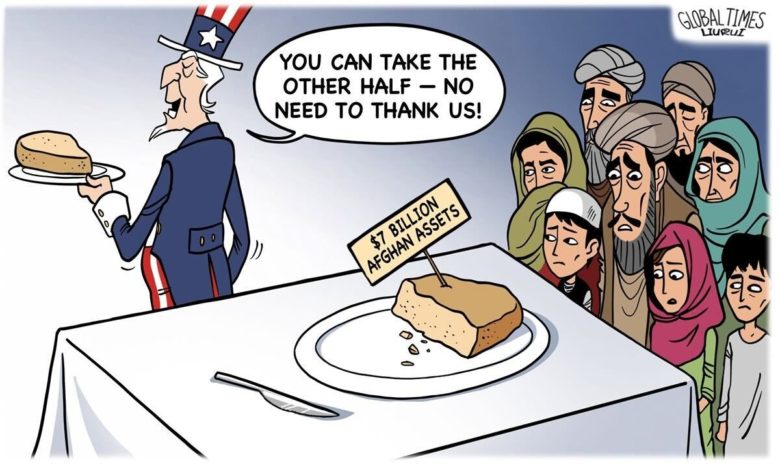
A political cartoon depicting the United States splitting the Afghan central bank’s US$7 billion in assets into two and walking off with half (Illustration by: Liu Rui / Global Times / Publication date: February 13, 2022)
No. 2 One of the world’s largest trading and mining companies fined more than about US$1.6 billion
In 5 2022, Glencore, one of the world’s largest traders and miners headquartered in Switzerland, was ordered by courts in the United States, the United Kingdom, and Brazil to pay US$1.186 billion for price manipulation and bribery. The rulings revealed that for more than 10 years since 2007, the company had engaged in oil price manipulation and leaked confidential information over hundreds of days. Then in 11 of the same year, Glencore admitted to paying bribes in oil operations across 5 African countries and was hit with a fine of US$314 million by a UK court. The following month, Glencore issued a statement that it would pay US$180 million to the Democratic Republic of the Congo to resolve corruption cases in that country. In 2022, a series of record fines against a multinational ranked No. 1 in global mining revenue can be seen as a challenge to an industry structure rife with corruption. That said, so far not a single company insider has been held criminally responsible. Moreover, the company had provisioned for the fines and announced to shareholders that it expected profits far exceeding them, minimizing the impact of the sanctions and even boosting its share price. In fact, Glencore reported that in just the first half of 2022, profits would reach about US$3.2 billion, more than double a typical year.
Coverage
Asahi Shimbun: 0 articles/0 characters
Mainichi Shimbun: 0 articles/0 characters
Yomiuri Shimbun: 0 articles/0 characters
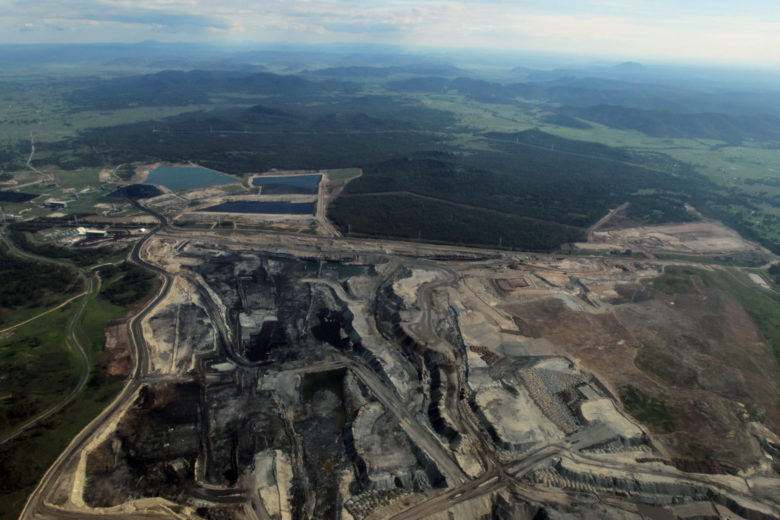
The Mangoola mine in Australia owned by Glencore (Photo: Lock the Gate Alliance / Flickr [CC BY 2.0])
No. 3 Severe drought affects 3,610 ten-thousand people in East Africa
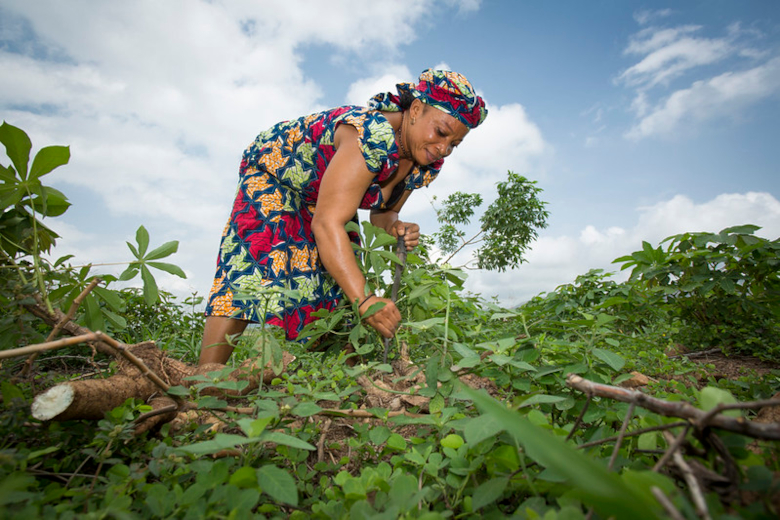
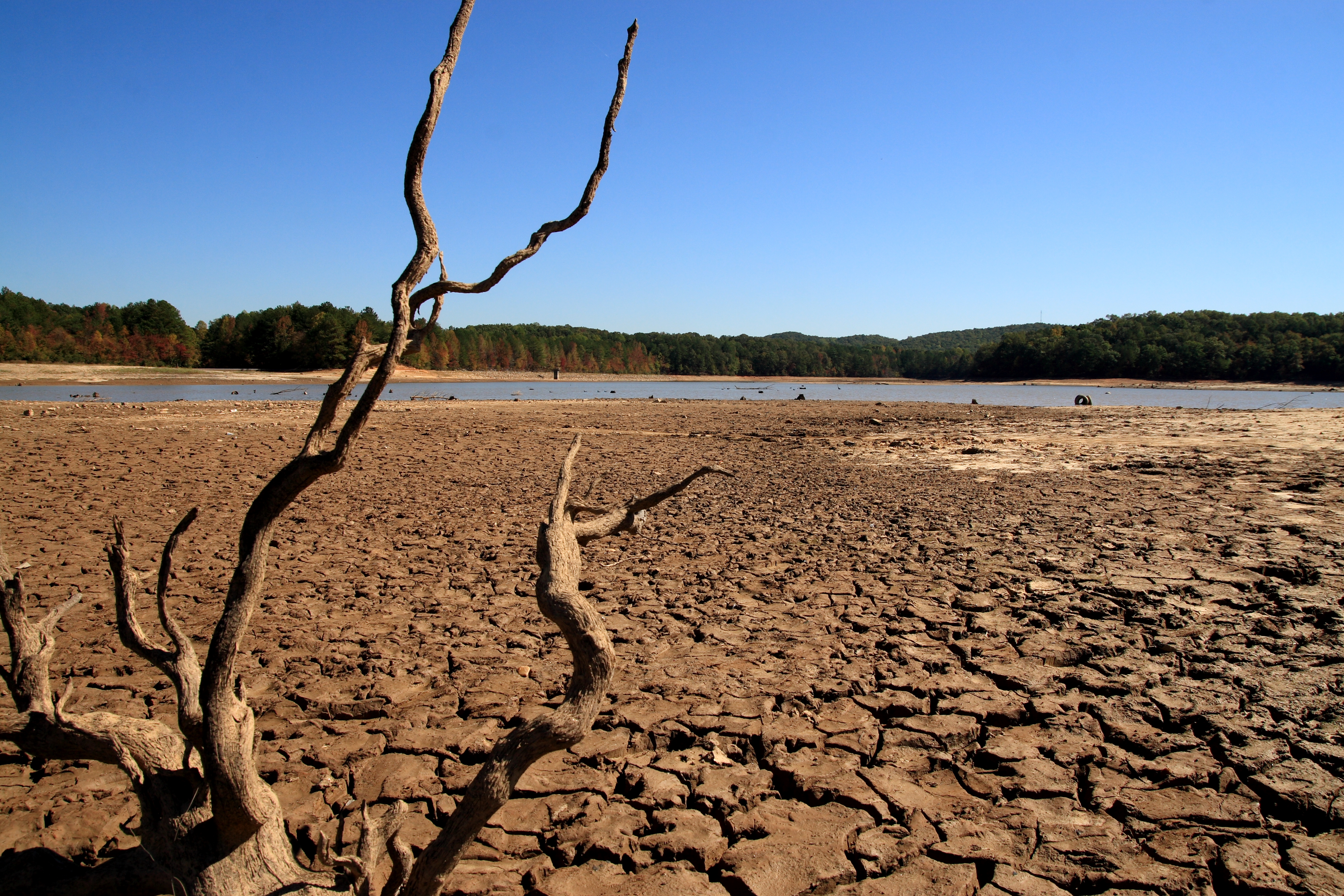
An unprecedented drought, said to be the worst in 40 years, has struck East Africa, causing severe food crises and hunger in multiple countries. Precipitation, a major factor in drought, has declined over recent decades and is analyzed to be affected by climate change as well. In addition, food prices had been rising for several years, and the spread of COVID-19 and Russia’s invasion of Ukraine pushed market prices up further, making it difficult for many citizens even to purchase food. The number of people affected by the drought was estimated at 1,940 ten-thousand in 7 2022, increasing to more than 3,610 ten-thousand by 10. The three most affected countries are Ethiopia, Somalia, and Kenya. In Ethiopia, out of a population of 1.2 hundred million, 2,410 ten-thousand people have been affected by the drought; in Somalia, 780 ten-thousand; and in Kenya, 420 ten-thousand people. Furthermore, in Somalia, it is projected that by 5 2023 three areas, including the capital, will fall into famine (※4). Efforts are being made at various levels, including by the UN and local organizations, to improve the situation, but in reality they face the major problem of insufficient funding. As of 12, only about 50% of the aid required by the UN for the year had been raised, and assistance remains inadequate. Behind the funding shortfall are the self-prioritizing stance of high-income countries and the lack of media attention shaped by national interests and relationships, among other factors. In Ukraine, which was the most covered international story in the first half of 2022, more than US$100 billion in funding had been provided by 12. By contrast, the funds provided to the three East African countries with far less coverage totaled only about US$3 billion.
Coverage (※5)
Asahi Shimbun: 2 articles/4,036 characters
Mainichi Shimbun: 2 articles/3,374 characters
Yomiuri Shimbun: 0 articles/0 characters
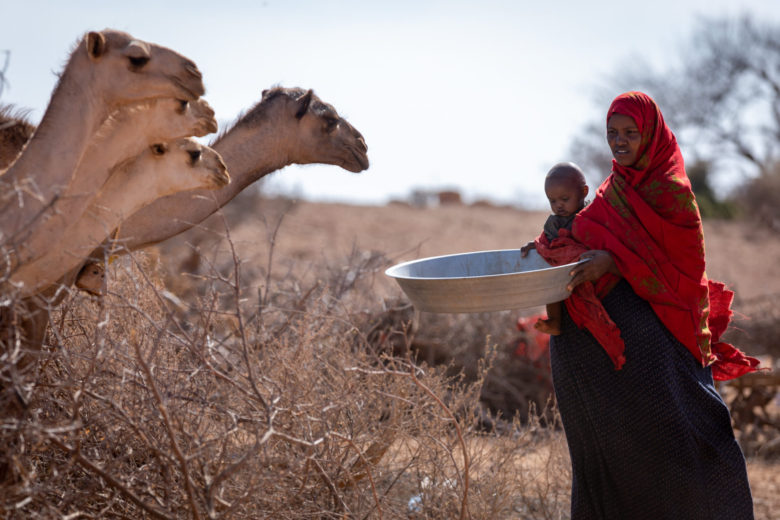
A woman in Ethiopia who lost livestock due to the drought (Photo: UNICEF Ethiopia / Flickr [CC BY-NC-ND 2.0])
No. 4 The second UN Ocean Conference in history is held
As the world’s oceans fall into a critical state due to climate change, pollution, and overfishing, the second-ever UN Ocean Conference was held in Lisbon, Portugal, for five days from 6/27, 2022. More than 6,000 participants, including 24 heads of state, and representatives from over 2,000 civil society organizations attended, and concrete measures for tackling ocean issues were advanced. The first conference, held in 2017, set out guidance for achieving the Sustainable Development Goal on oceans (SDG 14). After the first conference, the UN General Assembly adopted the resolution for the “UN Decade of Ocean Science for Sustainable Development” (the “Ocean Science Decade”). The “Ocean Science Decade” aims to have diverse stakeholders engage and work on challenges over the ten years from 2021 to 2030. At this second conference, the issues to be solved during the “Ocean Science Decade” were presented as “10 Challenges,” and nearly 700 new commitments were announced. The conference closed with all 198 UN member states adopting the “Lisbon Declaration” to protect the ocean. In 2022, discussions on oceans were active in other international bodies as well. For example, negotiations began on a binding global treaty to address plastic pollution. The World Trade Organization (WTO) also decided to prohibit fisheries subsidies that harm ocean resources.
Coverage (※6)
Asahi Shimbun: 0 articles/0 characters
Mainichi Shimbun: 0 articles/0 characters
Yomiuri Shimbun: 0 articles/0 characters
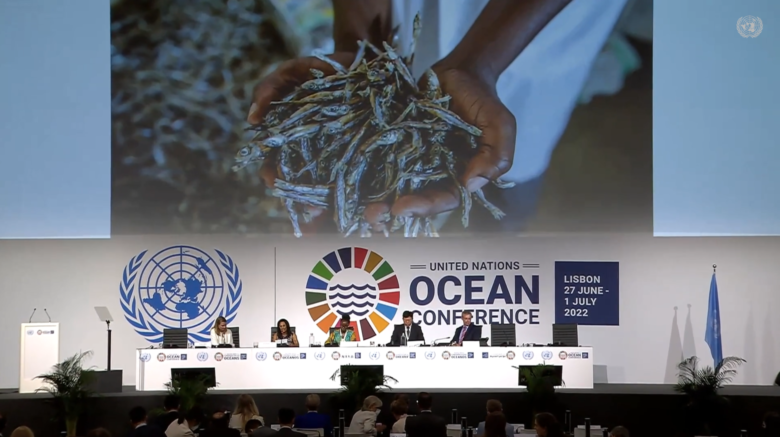
Speakers at an event at the UN Ocean Conference (Photo: WorldFish / Flickr [CC BY-NC-ND 2.0])
No. 5 A wave of large-scale leaks across Latin American countries
In 3 2022, “Guacamaya,” an activist collective that publishes inconvenient information about states and corporations obtained through hacking, leaked a trove of internal information about environmental destruction at the largest nickel mine in Central America. Companies developing mines in the region had denied the impact and causal links of their activities on the environment, but 8 million documents proved that rivers and lakes were in fact being contaminated by the operations. In 9 2022, the same group also obtained and released massive internal records from government entities in 5 Latin American countries (※7). The data reportedly totaled a vast 10 terabytes—more than triple the size of the Panama Papers and the Pandora Papers. Hundreds of thousands of emails and files held by the militaries and police forces of the 5 countries were disclosed, exposing ties between authorities and criminal organizations as well as criminal acts. The contents ranged from human rights violations against civilians and environmental activists to crimes and cover-ups inside the armed forces and collusion with organized crime. In Mexico, 6 terabytes of information, including on the president’s health, were leaked, and the president later acknowledged the existence of a preexisting condition in public remarks. Chile’s government admitted its army systems were hacked, and announced the army chief’s resignation 4 days after the leak.
Coverage
Asahi Shimbun: 0 articles/0 characters
Mainichi Shimbun: 0 articles/0 characters
Yomiuri Shimbun: 0 articles/0 characters
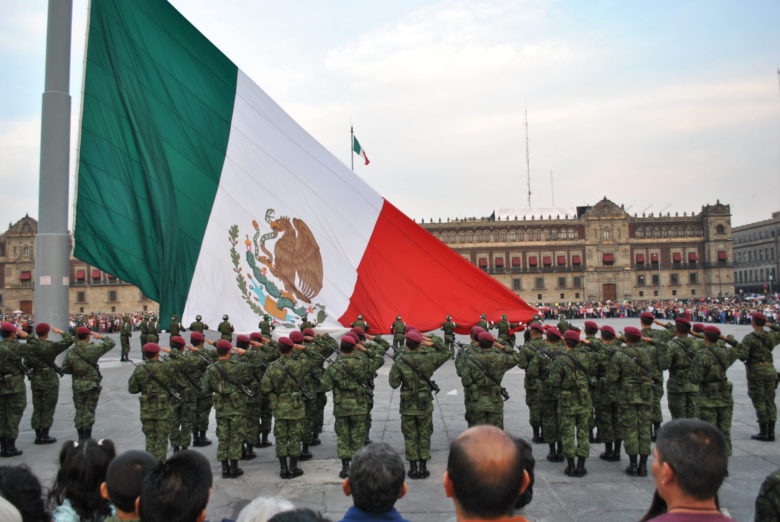
The Mexican military, whose classified information was leaked to “Guacamaya” (Photo: ProtoplasmaKid / Wikimedia Commons [CC BY-SA 4.0])
No. 6 Yemen conflict, called the world’s worst humanitarian crisis, enters a truce for the first time in 6 years
A major development occurred in the Yemen conflict that has continued since 2014. On 4/2, 2022, a comprehensive truce in Yemen—the first since 2016—took effect after 8 years of war. The Yemen conflict saw large-scale military intervention by Saudi Arabia and the United Arab Emirates (UAE), and a severe humanitarian crisis has unfolded in recent years. The number of deaths by 2021 was estimated to have surpassed 37 ten-thousand and 7,000 people, and more than 60% of those died due to indirect causes such as lack of food, water, and medical services. Saudi Arabia’s blockade of land, sea, and air routes prevented essential supplies from arriving, pushing the population into a food crisis. More than 4 million people have been displaced, and as of 12 2022, about 2,160 ten-thousand people—roughly three-quarters of the population—were estimated to need humanitarian aid assistance. Due to inadequate infrastructure and weak medical services, cumulative cholera cases from 2016 to 2021 exceeded 2.5 million, the largest number recorded since the World Health Organization (WHO) began compiling cholera statistics globally. The initial two-month truce was extended twice to a total of 6 months. However, negotiations to extend it further failed in 10 2022, and talks between the parties continue. Since the truce ended, large-scale war has not resumed, but there have been reports of multiple drone attacks by the Houthi armed group, which controls the capital and other areas. Efforts by the UN and various countries to restart the truce are drawing attention.
Coverage (※8)
Asahi Shimbun: 3 articles/1,668 characters
Mainichi Shimbun: 2 articles/413 characters
Yomiuri Shimbun: 2 articles/1,803 characters
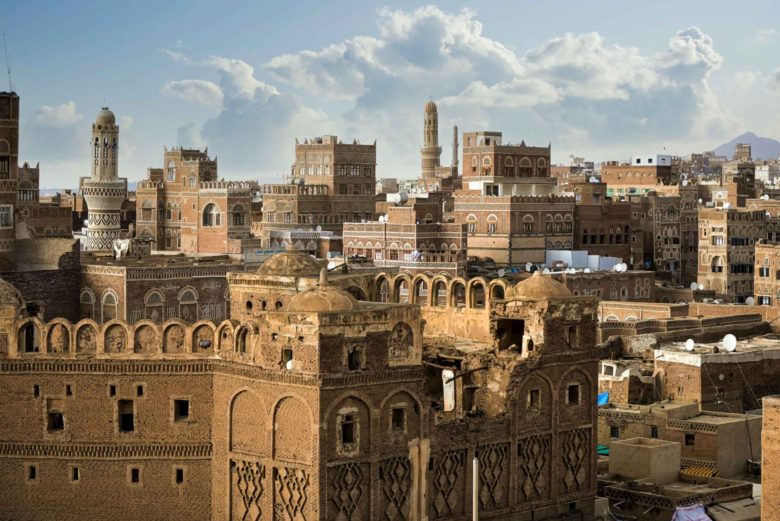
The cityscape of Sana’a, the capital of Yemen (Photo: Rod Waddington / Flickr [CC BY-SA 2.0])
No. 7 Record heatwaves hit the Arctic and Antarctic simultaneously
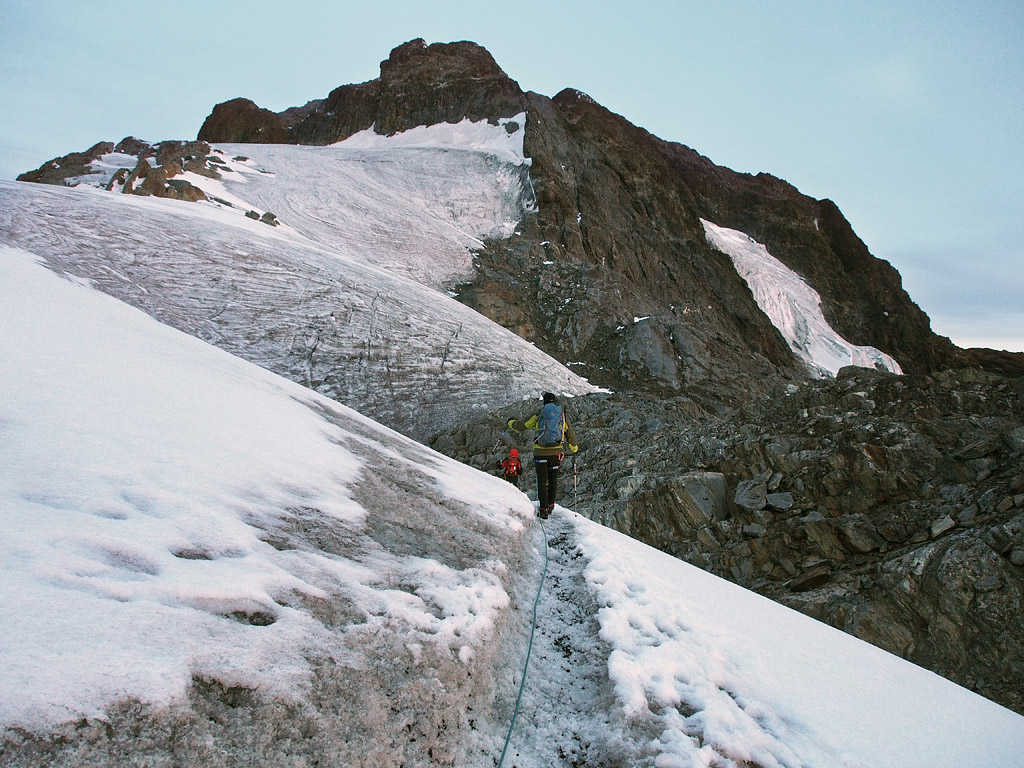
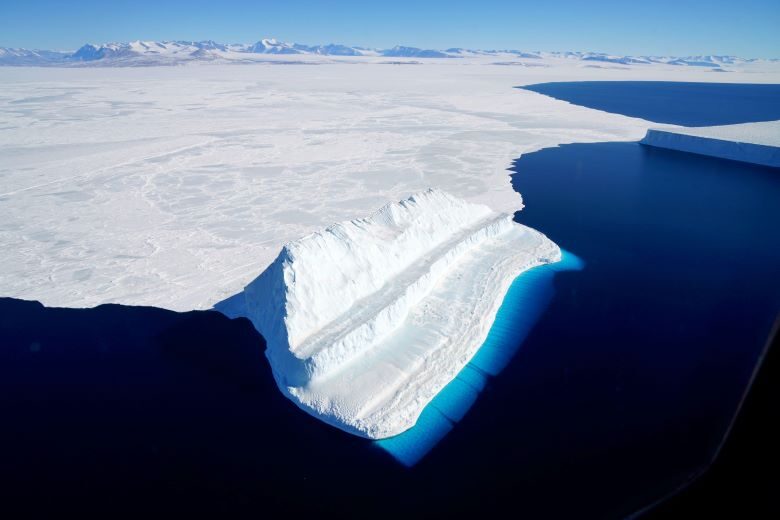
In 3 2022, the Arctic and Antarctic were struck by abnormal heat. Record-breaking heatwaves hit both poles at the same time, with parts of the Arctic seeing temperatures rise by 30°C above normal and parts of Antarctica by 47°C. At Concordia Station on the Antarctic continent, a temperature of -12.2°C—about 40°C above average—was recorded. In Antarctica, the Conger Ice Shelf, with a surface area of about 1,200 km², collapsed. According to research by NASA, since 1997 about 12 trillion tons of Antarctic ice sheet have melted, progressing at an irreversible pace. The exact causes of this heatwave are not yet fully understood, but there is a view that climate change intensified extreme heat at the poles significantly. Indeed, the Arctic is warming two to three times faster than the global average. The biggest concern from polar warming is global sea-level rise. The World Meteorological Organization (WMO) has noted that the rate of sea-level rise has doubled compared to 1993. The problem is already manifesting, with warnings about the very existence of low-lying Pacific island countries. Outside the poles, the other 5 continents have also experienced extreme weather and droughts due to climate change. According to research, during 13 days in 8 2022, 125 countries across the five non-Antarctic continents suffered drought impacts.
Coverage
Asahi Shimbun: 1 article/535 characters
Mainichi Shimbun: 0 articles/0 characters
Yomiuri Shimbun: 1 article/591 characters
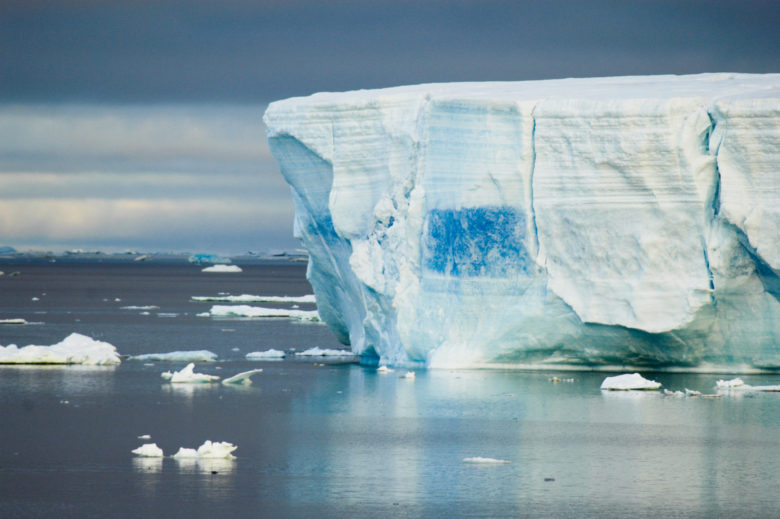
Ice shelves on the Antarctic continent (Photo: GRID-Arendal / Flickr [CC BY-NC-SA 2.0])
No. 8 In Colombia, moves toward peace accelerate after a change of government
On 6/19, 2022, in the runoff of Colombia’s presidential election, the radical leftist Gustavo Petro narrowly won, bringing the country’s first leftist administration to power. In a speech after the election he declared he would “make history,” and since his inauguration in 8 of the same year, various reforms have advanced domestically and internationally. To achieve peace, Congress passed a law known as the “Total Peace Law.” At the same time, the government began peace talks with the National Liberation Army (ELN)—which has opposed the state for about 60 years—and with other armed groups. To tackle pervasive domestic issues, the new government has also proposed policies such as free education, pension reform, income redistribution, and environmental protection. In foreign relations, it restored diplomatic ties with Venezuela, which had been severed in 2019. It is also reassessing relations with the United States, with which Colombia had built a close partnership; Petro has expressed concern about U.S. counternarcotics policy and military aid, and new bilateral talks on drug interdiction and extradition are under way. The government’s proposed tax reform has also prompted protests from high-income citizens who would face higher burdens. After 2 months in office, Petro’s approval rating has declined, and his leadership is being tested.
Coverage (※9)
Asahi Shimbun: 0 articles/0 characters
Mainichi Shimbun: 1 article/724 characters
Yomiuri Shimbun: 1 article/138 characters
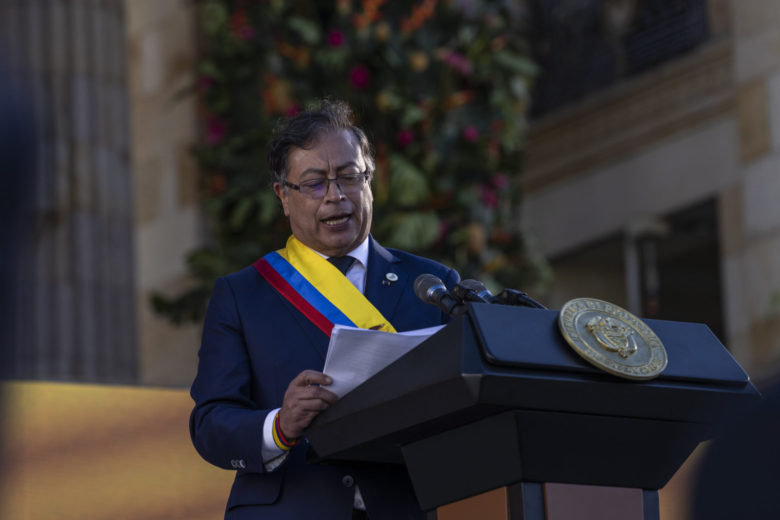
President Gustavo Petro delivers his inaugural address (Photo: USAID U.S. Agency for International Development / Flickr [CC BY-NC 2.0])
No. 9 In the Democratic Republic of the Congo, a conflict reignites, drawing in the region
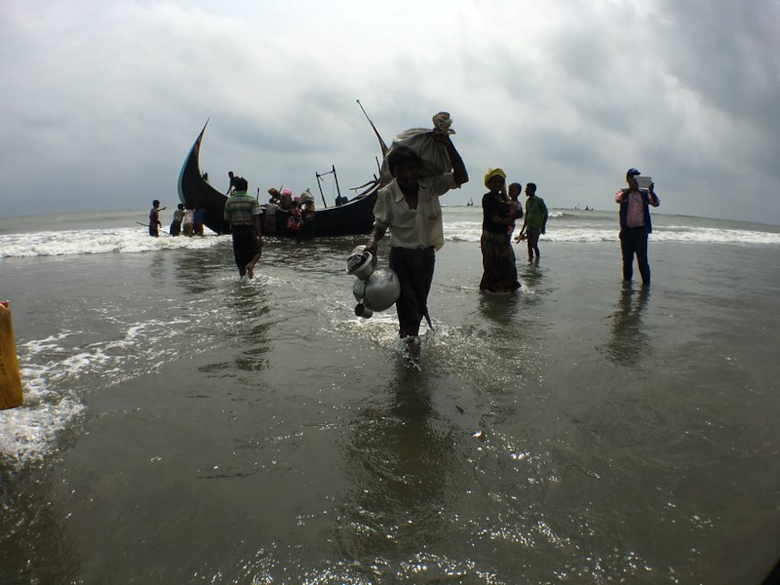
Since the Korean War of the 1950s, the conflict in the Democratic Republic of the Congo has produced the world’s highest toll of 5.4 million deaths. Fighting has reignited in the place where the so-called “First African World War” broke out at the end of the 20th century. In 11 2021, the M23 rebel group launched its first full-scale attacks against the DRC’s government forces in about 10 years. The fighting between government forces and “M23” has continued for more than a year, and reports in 12 2022 confirm that sporadic attacks are ongoing. Various countries and groups are involved in the conflict, with the neighboring state of Rwanda frequently implicated in the background. Rwanda has previously supported “M23” in efforts to topple the government and is believed to be the mastermind behind the current rebellion. Meanwhile, Uganda, which has previously been affected by another armed group active in the DRC (ADF), is also intervening actively. The conflicts have produced over 5 million internally displaced people and 1 million refugees, according to reports. In addition to the long-deployed UN peacekeepers, a new force composed of East African countries has also been deployed. In December 2022, a ceasefire agreement toward peace between the government and “M23” was signed, but many other stakeholders are involved, and the situation remains unstable.
Coverage
Asahi Shimbun: 0 articles/0 characters
Mainichi Shimbun: 0 articles/0 characters
Yomiuri Shimbun: 0 articles/0 characters
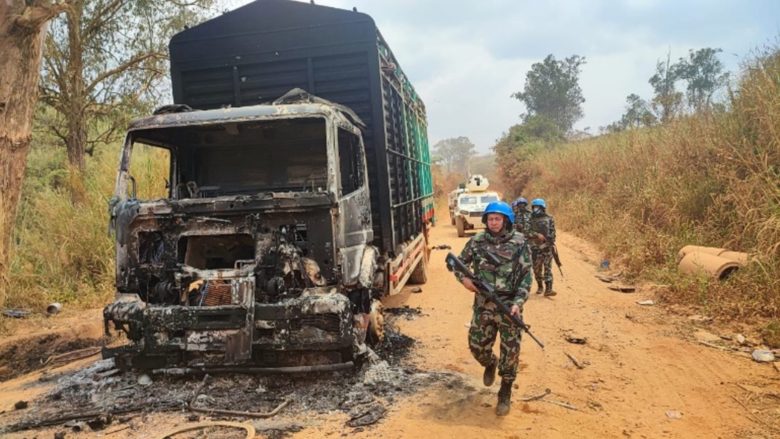
Peacekeepers operating in the Democratic Republic of the Congo (Photo: MONUSCO Photos / Flickr [CC BY-SA 2.0])
No. 10 Laos faces an economic crisis; crude oil prices double
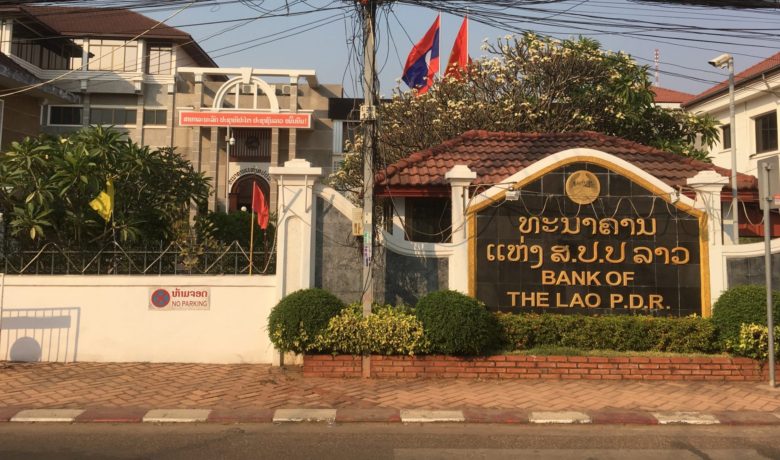
In the Southeast Asian nation of Laos, a severe economic crisis continues. In 11 2022, the national inflation rate hit a 23-year high at 38.5% recorded. Resource prices have also surged rapidly: from 6 2021 to just one year later, crude oil prices more than doubled. Prices of essentials have leapt by 20% to 40% across the board, but incomes are not rising, leaving households struggling. The background to the crisis includes COVID-19, global inflation, and rising U.S. interest rates. The value of Laos’s currency, the kip, has also fallen; from 2 2021 to 8 2022, its value per US dollar dropped by 35%. The country is also facing the serious prospect of default in connection with the crisis as well. In 2021, public debt reportedly reached 88% of GDP. About half of that debt is owed to China. Laos joined the Belt and Road Initiative and took on massive debt through projects such as the railway linking China and Laos. Going forward, negotiations with China on extending or reducing debt repayments will be ever more crucial. If this economic crisis continues, it could also affect Laos’s one-party rule.
Coverage
Asahi Shimbun: 0 articles/0 characters
Mainichi Shimbun: 0 articles/0 characters
Yomiuri Shimbun: 0 articles/0 characters
Looking back at the top 10 stories, many occurred in countries or regions with low coverage and involved various topics related to political and economic change, the environment, and conflict. Even among the international coverage of the three major newspapers, reporting related to politics and war/conflict is common, but it is hard to say they comprehensively cover world events. Also this time, two environment-related stories made the list. One could say global crises caused by environmental problems are not being sufficiently reported. And we must not forget that large-scale armed conflicts exist outside Ukraine and Russia as well; the low level of attention contributes to worsening humanitarian crises.
In recent years, multiple large leaks and scandals have also occurred at major global corporations. Among those that missed the top 10 for 2022 was the Credit Suisse scandal in Switzerland. Information on more than 18,000 accounts was leaked by a whistleblower, with total deposits exceeding US$100 billion. In recent years, increasingly large leaks like the Pandora Papers and “Guacamaya” have multiplied, but they are not necessarily treated as important in coverage. Other events that were candidates but did not make the top 10 include milestones that set all-time records in cumulative terms. For example, the number of people forcibly displaced worldwide, including refugees and internally displaced persons, surpassed 100 million for the first time ever.
In 2023, GNV will continue to explore the “unreported world” and deliver critical news to realize more balanced international reporting.
※1 In selecting the rankings, we evaluated multiple criteria, including the amount of coverage of the event/phenomenon, the magnitude of its impact, and the scale of change in 2022. Even if an event or phenomenon predated 2022, matters that became clear in 2022 were ranked similarly to news that occurred in 2022.
The procedure was as follows. We divided the world into 6 regions (① East, South, and Central Asia; ② Southeast Asia, the Pacific, and the Indian Ocean; ③ the Middle East and North Africa; ④ Sub-Saharan Africa; ⑤ Europe; ⑥ the Americas) and picked 4 underreported but significant events/phenomena in Japan from each region, plus 6 global events/phenomena not limited to any one region, for a total of 30 items.
For each event/phenomenon, we scored five criteria on a three-point scale: (1) lack of coverage, (2) number of people affected and degree of impact, (3) impact on systems such as politics, economy, society, and security, (4) cross-border nature, and (5) novelty. Because this ranking places special emphasis on under-noticed matters, we doubled the weight of (1) lack of coverage. Based on the results, we narrowed the 30 candidates down to 10 and determined the order through editorial discussion. Coverage was tallied from 1/1/2022 to 12/14/2022.
※2 To examine coverage volume, we used the online databases of Asahi Shimbun, Mainichi Shimbun, and Yomiuri Shimbun (Asahi: Asahi Shimbun Cross-Search; Mainichi: Mai-Saku; Yomiuri: Yomidas Rekishikan). We targeted the national and Tokyo regional morning and evening editions, considering not only headlines but also body text.
※3 The titles of the five reported articles all framed the actions as U.S. “humanitarian assistance” or “assistance.”
※4 Although the referenced website is updated daily with new information, it displays projections through 5 2023, so it does not exactly match the current situation.
※5 In analyzing coverage, quotations repeated from the same article were counted as one article, and the longer version was used for character counts. The articles were as follows.
“NEWSFLASH: Africa drought: 13 million at risk of hunger” Mainichi Shimbun 2022/02/09
“Africa drought: Africa drought, more than 13 million at risk of hunger” Mainichi Shimbun 2022/02/10
Also, articles introduced in two parts were counted as one article, and the longer version was used for character counts. The articles were as follows.
“Climate Revolution: COP27 East Africa, 8.9 million head of livestock lost (Part 1): Great drought causing starvation” Mainichi Shimbun 2022/11/05
“Climate Revolution: COP27 East Africa, 8.9 million head of livestock lost (Part 2): Warming increases drought frequency” Mainichi Shimbun 2022/11/05
※6 In analyzing coverage, only articles whose main subject was the UN Ocean Conference itself were counted.
※7 The 5 Latin American countries from which information was leaked were Mexico, Chile, Colombia, El Salvador, and Peru.
※8 In analyzing coverage, only articles whose main subject was the Yemen truce were counted.
※9 Because this article focuses on developments after the election, only post-victory articles were counted in the coverage analysis.
Writer: Koki Morita






.JPG)

第一位衝撃です。こんなことがあったなんてまったく知らなかったです。。
アメリカに批判的なことってあまり報じられませんね。
いずれのニュースも、初耳でした。
最近のメディアは、エンタメ系の話題に引っ張られている気もします。
本来あるべき役割を再考してほしいです。
どのニュースも、同じ内容の出来事が日本や日本が注目したがる国で起これば各紙一面記事になる程のインパクトを持っていると思います。
日本のメディアは海外支局を多く持っているので、このような情報はキャッチしているはずです。情報網を構築するだけではなく、そこから得られた情報を発信できるようボトムアップ的に働きかけることもできるのではないかと思いました。
今年も楽しみにしていました!
第一位になったアメリカによるアフガニスタン国庫の強奪が、これほどまでに報じられていないことにショックを受けました。
新聞各社、アメリカだけでも複数の支局があるのに…その役割とは?と思ってしまいます。
2023年も、報道されない世界を見せてくれるGNVを楽しみにしています!
日本の報道はいったい何をしてるんだろう。
重要なニュースをこれだけ見逃してる。
重要で、知っておくべき報道を伝えてくれるGNVに感謝です。
2023年も拝読させていただきます。よろしくお願いします。
アメリカのやり方は汚いですね、、
ラオスがこんなに大変だったなんて…
この記事を友人に紹介しようと思った
マスコミに関わる人だけでなく、全員この記事を読むべきだと思う。
毎年このシリーズ楽しみにしています!今年もやってくれてありがとうございます!
そしてどれも知らないことばかりでした。忙しいことを理由に最近はテレビも新聞も見ていないです。ネットニュースだと偏りがすごく出ちゃうので、GNVが私の世界の窓かも。
これからも記事を楽しみにしています。
50snjw