
Currently, a variety of COVID-19 vaccines are being developed. It is widely known that vaccines made by Pfizer and Moderna are being used around the world. However, Cuba has in fact developed multiple vaccines against the coronavirus, and their effectiveness has been recognized. As the problem of “vaccine apartheid,” in which vaccine supply is skewed toward high-income countries, is being decried, many low-income countries have made little progress in vaccination. Amid this, as of April 2022, about 80% of Cuban citizens had completed a third vaccine dose. The use of Cuban-made vaccines has also been reported abroad, including in Vietnam and Venezuela.
Cuba’s per capita GDP is about 9,000 USD, and compared with the United States’ about 60,000 USD, it can hardly be called a wealthy country. Nevertheless, as of 2019, Cuba’s average life expectancy was 77.8 years—not very different from the United States, a high-income country, at 78.5 years. Cuba also sends large numbers of healthcare workers abroad, and this activity has remained active during the COVID-19 pandemic.
Despite not being a high-income country, this article delves into the background that enables Cuba to maintain such a healthcare system.
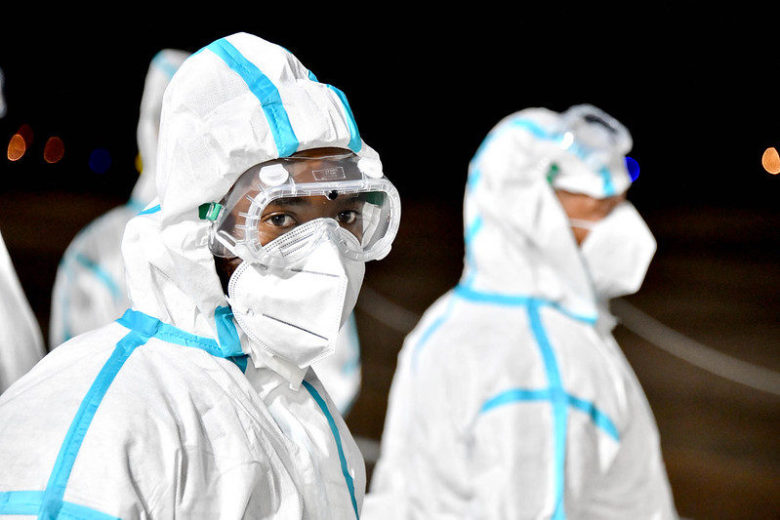
Cuban medical brigade arriving in South Africa, which is suffering from COVID-19 (Photo: GovernmentZA / Flickr [CC BY-ND 2.0])
目次
History of Cuba
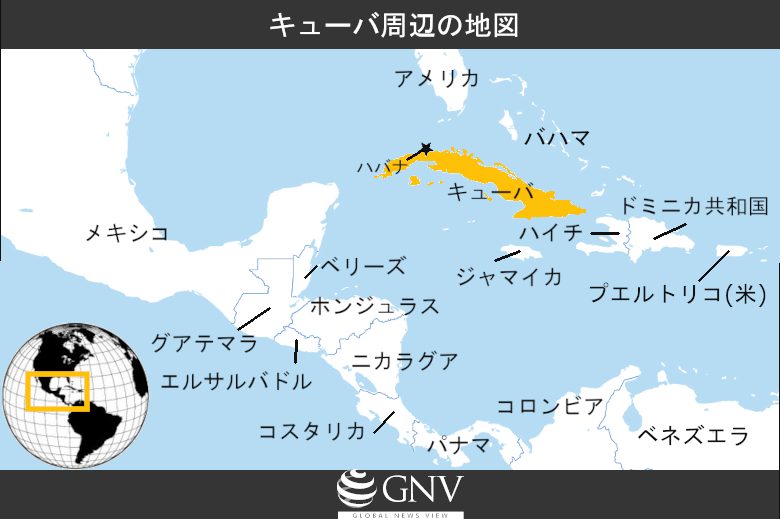
Cuba is an island nation in the Caribbean with a population of about 11 million. In 1510, just before the Spanish conquest, about 110,000 indigenous people lived there. However, due to the harsh treatment by the Spanish settlers and the infectious diseases they brought, the indigenous population decreased to one-tenth in 14 years.
Prompted by the Spanish-American War in 1898, Cuba became independent from Spain in 1901, but it was thereafter treated as a U.S. protectorate, making it closer to nominal independence. This is evidenced by the 1901 Constitution of the Republic of Cuba. The constitution included provisions granting the United States the right to interfere in Cuba’s internal affairs and permanently leasing land facing Guantánamo Bay in eastern Cuba to the United States. A U.S. naval base was built at the entrance to Guantánamo Bay and has not been returned to Cuba to this day.
From the 1830s onward, as Cuba became the world’s largest exporter of sugar and coffee, it strengthened trade relations with the United States, and U.S. investors increasingly purchased Cuban plantations. Becoming a U.S. protectorate accelerated this trend, and the Cuban economy became dependent on the U.S. market. As a result, companies tied to U.S. capital monopolized wealth, widening the gap between rich and poor. Cuba came under significant American influence both politically and economically.
In 1952, Fulgencio Batista y Zaldívar (hereafter, Mr. Batista) staged a coup during the presidential election and assumed the presidency without constitutional due process. Mr. Batista also adopted policies favoring U.S. companies, and the gap between the public and the capitalists further widened. The Batista regime, which pursued policies favorable to the United States and grew increasingly authoritarian, provoked public dissatisfaction.
Responding to that dissatisfaction was Fidel Alejandro Castro Ruz (hereafter, Mr. Castro). In 1956, Mr. Castro, together with Ernesto Guevara (aka Che Guevara, hereafter, Mr. Guevara), launched an armed struggle aimed at “social justice,” and in 1959 overthrew the Batista regime. After Mr. Batista fled into exile, Mr. Castro became head of state. Although Mr. Castro initially took a friendly stance toward the United States, unlike previous presidents he did not kowtow to it.
Mr. Castro, who advocated egalitarianism, proposed land reform that limited the size of landholdings. When the United States learned that the affected properties included plantations it had acquired, it pressured Cuba. Unlike previous pro-U.S. regimes, Mr. Castro did not yield to that pressure and seized large plantations owned by U.S. companies. This triggered an intense confrontation between the United States and Cuba. In retaliation for the land reform, the United States halted sugar imports from Cuba and withdrew its oil industry. The Soviet Union noticed and offered economic cooperation to Cuba. Cuba accepted and rapidly drew closer to the Soviet Union.
In 1961, Mr. Castro declared that Cuba would become a socialist country. Alarmed by this move, the United States announced a severing of diplomatic relations with Cuba that same year. The U.S. government, in cooperation with the United Fruit Company, attempted to have exiled Cubans invade Cuba. In 1962, Cuba was expelled from the Organization of American States (OAS), and a strict economic embargo was imposed. This economic measure has continued as of 2022. In the same year, it became known that the Soviet Union had deployed nuclear missiles in Cuba, heightening tensions between the U.S. and the USSR. In the end, it did not lead to war, and an agreement was reached whereby the Soviet Union would remove the missiles in exchange for the United States pledging not to invade Cuba.
As Cuba became socialist and came under U.S. economic measures, pro-U.S. middle- and upper-class citizens fled the country, and productivity declined. Cuba therefore pushed forward with a planned economy supported by massive Soviet subsidies and the nationalization of enterprises. Mr. Castro also tightened his power by imposing media censorship, executing dissidents, abolishing elections, and otherwise strengthening his authority.
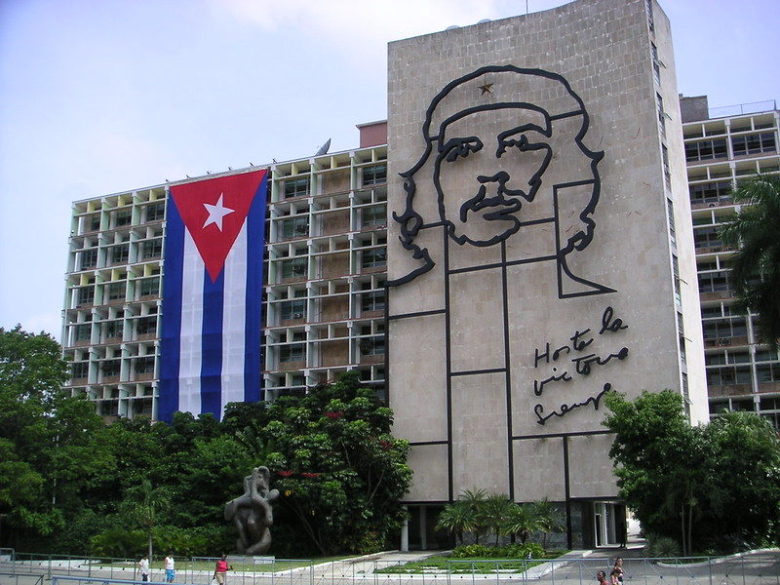
Guevara depicted on a wall (Photo: Mark Scott Johnson / Flickr [CC BY 2.0])
Cuba’s healthcare system
As a medical student, Mr. Guevara saw firsthand people suffering from poverty and social inequality in South America, and he is said to have considered how he could use his experience as a physician to help them. Together with Mr. Castro, who shared this view, he sought to advance policies that placed a universalist healthcare system among basic human rights. They established a system under which all citizens could receive medical services free of charge.
At the time of the revolution, Cuban physicians had advanced skills, but most were concentrated in urban areas. There was only one hospital in rural areas, where poverty was widespread, and the gap in medical services compared with cities was large. To improve rural health services, the Rural Medical Service (RMS) was established in 1960 with the goal of developing a universal healthcare system. For Mr. Castro and Mr. Guevara, who espoused egalitarianism, a universalist healthcare system in which everyone could receive medical services aligned with their beliefs.
When it was first established, the RMS sent 750 medical volunteers to rural areas and increased the number of rural hospitals to 53 facilities by the 1970s. From this period, a system gradually emerged to organize medical services according to residents’ health needs. In 1976, healthcare workers were transferred to the specialized Ministry of Public Health (MINSAP), and 23 medical and nursing schools were established. The aim was to extend medical training not only in the capital but also to underserved regions and to train professionals across a wide area.
However, although the number of physicians increased, the system was hospital-centric rather than patient-first, and many doctors favored specialized treatments over primary care (※1). As a result, care was not continuous or coordinated with patients, and long wait times for consultations became a problem. As a solution, Cuba developed community polyclinics (※2) aimed at providing comprehensive rather than specialized care. In the early 1980s, it also decided to have family doctors protect citizens’ health, moving toward locally accessible care.
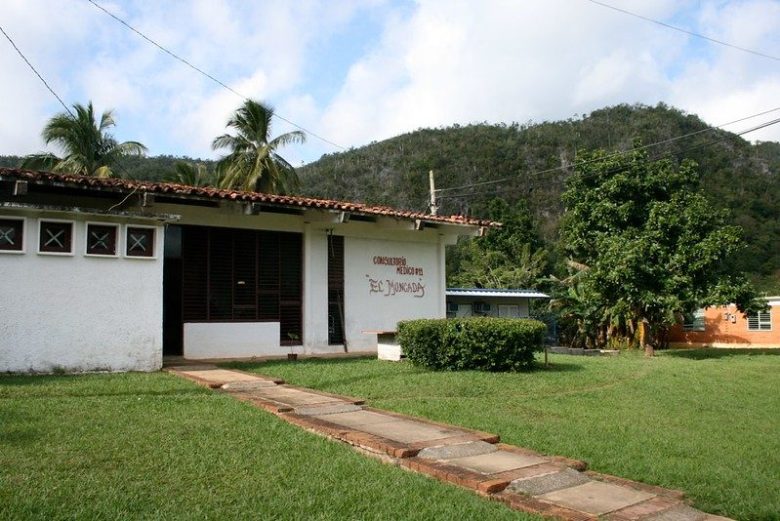
Clinic in Cuba (Photo: PBS NewsHour / Flickr [CC BY-NC 2.0])
Let’s look at how the system works. First, for every 600 to 900 patients, a team consisting of a nurse and a doctor provides basic primary care. Specifically, they analyze patients’ health statistics, visit individual households, and address environmental factors such as diet, education, nutrition, and employment status accordingly. Physicians focus not only on treatment but also on public health and disease prevention. When more specialized treatment is needed, patients are referred to the local polyclinic, and care proceeds in coordination with the family doctor. In this way, Cuba’s healthcare system, focusing on primary care and preventive medicine, continues to this day. One tangible result is that as of 2021, Cuba’s number of physicians per 1,000 people is among the highest in the world, ranking near the top.
Cuba is also advancing its own pharmaceutical development. After Mr. Castro declared in 1961 that Cuba would become a socialist state, the United States severed diplomatic relations and imposed measures such as an embargo. Because of this embargo, there was a broader push not only by the United States but also by other countries to impede trade with Cuba. The embargo also included halting the import of food, pharmaceuticals, and medical equipment. Unable to import medicines, Cuba began developing them domestically, and by the 1980s was producing its own pharmaceuticals. In 1985, Cuba developed the world’s first vaccine against meningitis B, and in 2015 it was recognized by the WHO as a country that prevented mother-to-child transmission of HIV and syphilis.
The country also provides strong support for training physicians at home. Since 1999, the Latin American School of Medicine (ELAM) in Havana has offered scholarships to students from low-income families, allowing them to receive free room, board, and tuition. There are no restrictions on nationality or gender, and the school actively welcomes students from outside Cuba. By 2019, 29,000 doctors from 105 countries had graduated; half were young women and 75% came from agricultural worker families, as reported. Under the scholarship program, all living and tuition costs are free, and students gain practical medical training.
“The Army in White Coats”
Building on the healthcare system developed in 1961, Cuba began forming partnerships with low-income countries, such as those in Africa, that could not allocate sufficient funds for medical services, by sending physicians. In 1963, Cuba established an international medical mission and dispatched 56 physicians to Algeria, which had just gained independence from France.
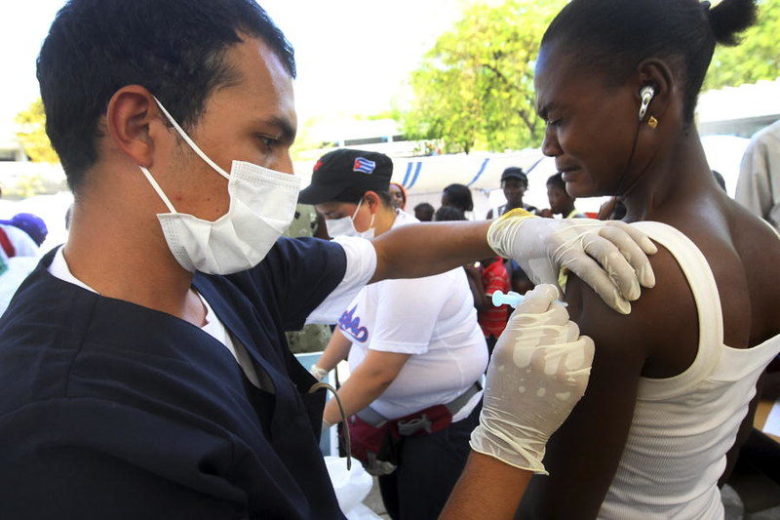
Cuban doctors administering vaccines to people in Haiti (Photo: United Nations Photo / Flickr [CC BY-NC-ND 2.0])
From there, Cuba dispatched healthcare workers to various countries. By 2014, Cuba had sent more than 300,000 medical personnel to 158 countries in Latin America, Africa, and Asia, and had performed more than 8 million surgeries. In 2005 it established the Henry Reeve International Medical Brigade, specializing in responses to infectious diseases and natural disasters. In 2017, the Henry Reeve Brigade was recognized for its achievements and won the WHO Public Health Prize.
When the Ebola outbreak struck West Africa in 2014 and the WHO called on countries to send personnel, Cuba was the first to volunteer. Under harsh conditions, more than 460 Cuban healthcare workers were dispatched, and the patient fatality rate was reduced from 50% to 20%.
Unlike other countries, Cuba sometimes already has doctors in the partner country when an emergency occurs. This enables a rapid response before other countries can dispatch aid, which is considered possible. Cuba also provides post-disaster recovery support. In 1986, an accident occurred at the Chernobyl nuclear power plant in Ukraine, then part of the Soviet Union. In 1989, Cuba launched the “Children of Chernobyl” program to assist those affected by the disaster, and 26,000 people were able to receive free medical treatment and living assistance in Cuba.
Cuba’s international medicalism reflects the ideals of the Castro regime and is humanitarian in purpose, but it is also certainly conducted for political gain. By sending an “army in white coats” around the world, Cuba can both bolster its international reputation and divert attention from its authoritarian system at home, it can be said. In addition, Cuba sometimes receives compensation from recipient countries when it dispatches physicians. A representative example is its trade with Venezuela, Cuba’s largest client. Since signing a 2000 agreement to exchange Cuban medical services for 53,000 barrels of Venezuelan oil, the bilateral trade in oil and medical services has continued. In some cases, the exchange is monetary, making medical diplomacy a major means for Cuba to earn foreign currency. In 2014, Cuban authorities estimated that medical diplomacy was more profitable than tourism. It is almost certain, therefore, that Cuba’s medical diplomacy is driven not only by humanitarian motives but also by political and economic interests.
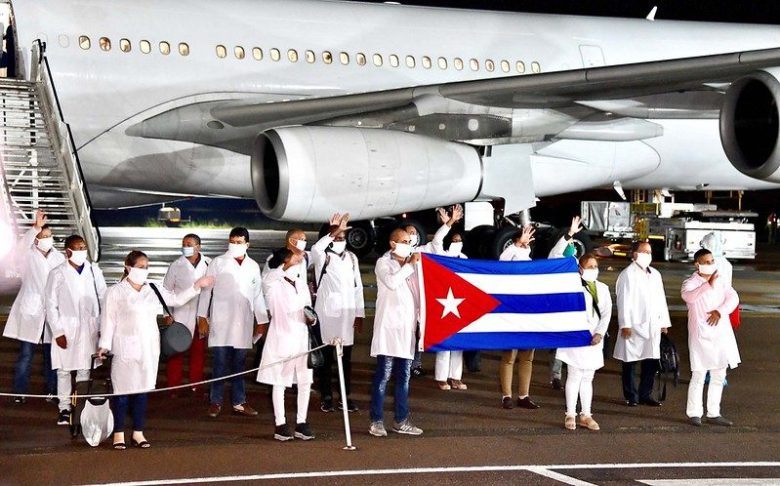
The arrival of Cuba’s medical mission in South Africa (Photo: GovrnmentZA / Flickr [CC BY-ND 2.0])
Various problems and allegations
As described above, Cuba has made significant medical contributions not only domestically but also internationally. However, there are several points regarding its healthcare system that inevitably raise skepticism.
First, regarding the domestic healthcare system: As noted, Cuba’s healthcare system is sophisticated and oriented toward its citizens. But this system was in fact supported by aid from the Soviet Union, another socialist country. When the Soviet Union collapsed in 1991 and canceled aid to Cuba worth 4 billion USD annually, Cuba’s economy fell by 35% compared with the previous year. The U.S. embargo, in place since 1962, was further strengthened after the Soviet collapse, prohibiting ships that delivered goods to Cuba from docking at U.S. ports. As a result, acquiring and maintaining medical equipment and medicines became even more difficult, and medical infrastructure has steadily deteriorated.
As a result, people in Cuba often buy medicines on the black market. Sellers can include domestic physicians. Because doctors receive only the minimum wages necessary to live, some resort to selling medicines on the black market to earn extra money. Unless the government takes measures such as raising doctors’ salaries, it will be difficult to stop this practice.
According to a report by the Institute for War and Peace Reporting in 2013, medical facilities visited by ordinary citizens in Cuba are unsanitary, and water often does not come out of the bathroom taps. When being hospitalized, patients sometimes even need to buy light bulbs for their rooms and bring their own bedding. This is due in part to the embargo still imposed by the United States, which has left Cuba short of funds.
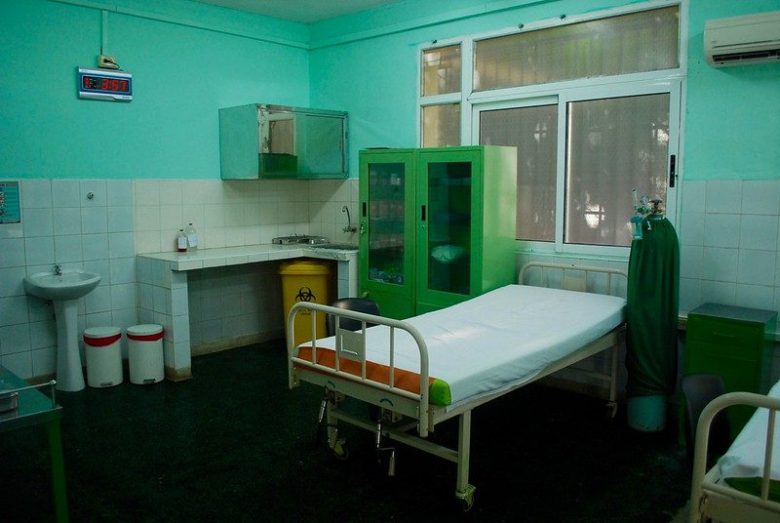
A polyclinic ward (Photo: Laura LaRose / Flickr [CC BY 2.0])
There are also several issues with the overseas deployment of doctors. First is the treatment of dispatched physicians. Because salaries at home are low, Cuban doctors often strongly hope to be sent abroad. In practice, the salaries of Cuban medical workers abroad are more than 10 times those of doctors in Cuba, which may seem attractive. However, despite receiving large payments from the host country, most of the money goes into the Cuban government’s coffers. Documents have circulated showing that the South African government allocated about 30 million USD to Cuban healthcare workers for COVID-19 measures, and it has become clear that most of it did not reach the Cuban medical staff.
In 2018, it was reported that the Cuban government retained 75% of the wages of doctors working abroad. Compared with other foreign workers, Cuban medical personnel work for lower pay.
The problems are not only financial. To prevent defections, doctors are reportedly monitored by Cuban authorities during their assignments and are prohibited from speaking with journalists at their place of work. There are also cases in which some doctors had their passports confiscated upon arrival. In addition, overseas medical personnel are said to have quotas for the number of patients treated and are pressured to meet those targets. There are reports that some doctors falsified treatment data if they failed to meet quotas—otherwise Cuban authorities would not be able to claim the effectiveness of the medical mission to the host country.
The impact of medical diplomacy on recipient countries also warrants attention. In 2018, despite already having about 2,000 unemployed doctors, the Kenyan government decided to hire 100 medical workers from Cuba, sparking controversy. In South Africa, questions have been raised about hiring Cuban medical personnel instead of employing unemployed local medical graduates.
Conclusion
The COVID-19 pandemic has swept the world, and countries are scrambling to respond. In this context, a global disparity has emerged in which high-income countries, in addition to vaccines, buy up protective clothing and medical equipment, preventing them from reaching low-income countries. Lockdowns and other measures have also stalled economies, further widening economic disparities between high- and low-income countries. In such a world, Cuba’s healthcare system, rooted in Mr. Castro’s egalitarianism, has many points to learn from despite its challenges. Moreover, its transnational international medicalism, which extends a helping hand beyond its borders, is an important idea in a world still grappling with the coronavirus pandemic as of 2022.
※1 Primary care is comprehensive care that is not divided into specialties and responds to a wide range of concerns.
※2 A polyclinic, from the German “polyclinic,” is a clinic that provides primary care.
Writer: Maika Ito
Graphics: Hikaru Kato





キューバの国際医療主義について、歴史の変遷や現状の問題点など多岐にわたる観点から、詳細に分析されていて興味深かったです。
アメリカやロシアなど、大国に経済面で依存していると、関係が途切れた際に、人々の生活に多大な影響が及ぶことを再認識しました。
キューバの医療については初耳だったため非常に興味深かったです。
一つの物事を捉えるのにも周囲国との歴史が深くかかわっていることを再認識しました。