
As in 2020, coverage of the novel coronavirus was conspicuous (Note 1) in international news within Japan in 2021 as well. The emergence of this virus and responses to it have created various challenges and problems, and have even exacerbated problems faced by the world. However, it can also be said that such aspects have not received much attention in the media. In addition, in 2021 there were multiple health issues other than the novel coronavirus that caused enormous harm to humanity. Furthermore, beyond health issues, events and phenomena that affect many people are constantly occurring around the world in politics, the economy, and society.
Therefore, following 2018, 2019, and 2020, GNV independently selected and ranked events in 2021 that had a large impact on people, countries and regions, or the world as a whole and how it functions, yet received little or no coverage, and compiled them as a top 10.
Below, we present in order the 10 events selected by GNV. The criteria used for ranking (Note 2) and how the volume of coverage was measured (Note 3) are described in the footnotes. Now, let’s look at the top 10 hidden global news stories of 2021 starting from No. 1.
目次
No. 1 The malaria vaccine is recommended globally for the first time
Alongside HIV/AIDS and tuberculosis as one of the world’s three major infectious diseases, malaria has historically and still today claimed many lives, and a vaccine against malaria was recommended by the World Health Organization (WHO) for the first time ever. It has been 130 years since the disease was named malaria and 30 years since vaccine development began—a historic achievement decades in the making. The RTS,S vaccine, developed in 2019 by an American pharmaceutical company, was administered on a pilot basis to more than 650,000 children in Ghana, Kenya, and Malawi with the cooperation of the WHO, and its efficacy was recognized as it significantly reduced malaria incidence among vaccinated children. The WHO estimates that in 2020 there were 241 million malaria cases and 627,000 deaths. Although both cases and deaths had been declining in recent years, the pandemic contributed to an increase of 14 million cases in 2020 compared to the previous year. While the recommendation of the vaccine raises expectations for a substantial decrease in both cases and deaths, there are many challenges. The RTS,S vaccine does not have high efficacy, reducing malaria incidence by only 30% to 40%. Moreover, 95% of malaria cases occur in Africa. Many of these countries face low incomes and, while simultaneously implementing other measures such as antimalarial drugs, the use of bed nets, and infrastructure development, not a few are falling into funding shortfalls. Another challenge is how seriously the world will engage in malaria eradication spurred by this vaccine.
Amount of coverage
Asahi Shimbun: 1 article/1,994 characters
Mainichi Shimbun: 0 articles/0 characters
Yomiuri Shimbun: 3 articles/2,087 characters
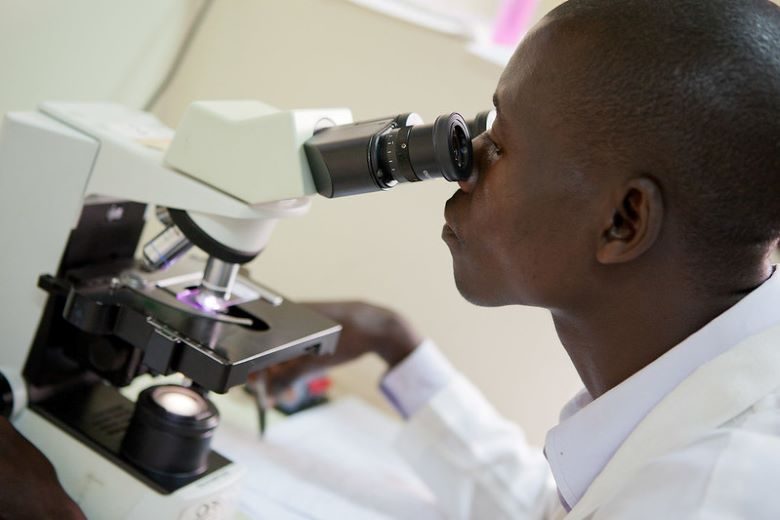
Staff working at a malaria clinical trial site in Kenya as part of vaccine development (Photo: GSK / Flickr [CC BY-NC 2.0])
No. 2 Pandora Papers: The biggest leak in history
2021年10月3日、政治家や大富豪、著名人などがタックスヘイブンを利用することで保有する巨大な富とその動きが表に出ていないことが詳細な情報とともにパンドラ文書を通じて暴露された。パンドラ文書は報道機関による史上最大のリークである。国際ジャーナリスト調査連合(ICIJ)が入手したこの文書は、1,190万件の機密ファイル、データ量にして2.94テラバイトにも及ぶ。2016年4月に暴露された類似のパナマ文書を超える規模である。パンドラ文書は150の報道機関に所属する600人以上のジャーナリストの協力により、14の法律事務所などから流出したデータを基にして2年もの歳月をかけて調査された。過去あるいは現役の35人の首脳と91の国や地域の330人以上の政治家や、官僚、犯罪者やその組織、著名人の名前がパンドラ文書には記載されている。またパンドラ文書とは別に、国際租税問題を研究している複数の団体が2021年に行った調査によると、多国籍企業や富裕層などのタックスヘイブンの利用により、本来であれば各国に支払われるべき税金が年間4,830億米ドルも回収されていないという実態があることがわかった。この2つの暴露がタックスヘイブンの規模の大きさを示している。朝日新聞での報道量のみに着目すると、他の10大ニュースの報道量よりはやや多いが、リークの規模、本質的な問題の規模、暴露後の政治的な動きなどを鑑みると、報道量は少ないとも言える。
Amount of coverage
Asahi Shimbun: 11 articles/12,752 characters
Mainichi Shimbun: 4 articles/1,922 characters
Yomiuri Shimbun: 1 article/718 characters
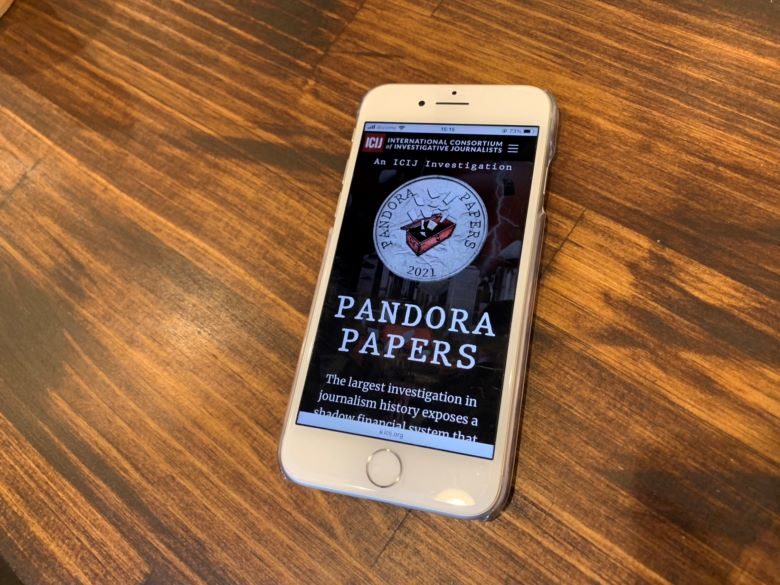
Photo: Anna Netsu
No. 3 Legalization of abortion makes major strides in Latin America
In Argentina, in 2020 the Senate approved in December a bill legalizing abortion up to the 14th week of pregnancy. Before that, all abortions were considered illegal except in cases of unwanted pregnancy due to sexual violence or when the woman’s life or health was at risk. In Mexico as well, in 2021 September the Supreme Court unanimously ruled that criminal penalties for abortion are unconstitutional. Around the same time, even in Chile—one of the most conservative countries in Latin America—the lower house moved forward with deliberations on a bill to relax strict abortion laws. However, the Chilean government, which is center-right, maintained its opposition, and depending on the outcome of the December 19 presidential election, there was a risk the momentum toward legalization could be cut off. Elsewhere, although there were no concrete legal steps, in 2021 there were demonstrations calling for legal abortion in Venezuela, Peru, Ecuador, and Colombia. Abortion laws in Latin America are said to be among the strictest in the world, with entrenched opposition rooted in Catholic faith. In 2021, there were also moves in Honduras, El Salvador, and the Dominican Republic to revise constitutional requirements related to abortion or for governments to refuse to revise abortion laws, making efforts toward legalization all the more difficult.
Amount of coverage (since December 2020)
Asahi Shimbun: 2 articles/1,821 characters
Mainichi Shimbun: 0 articles/0 characters
Yomiuri Shimbun: 2.5 articles/684 characters

People calling for the legalization of abortion in Argentina in 2018 (Photo: Romerito Pontes / Flickr [CC BY 2.0])
No. 4 Inequality between rich and poor surges worldwide amid the pandemic
According to World Bank data in 2021, it was found that in 2020 an additional 97 million people fell into extreme poverty (Note 4). The main causes are considered to be decreased trade volumes and reduced economic activity during the pandemic, and declines in income due to lockdowns. Meanwhile, in the same year, the wealth held by the world’s billionaires (those with assets of USD 1 billion or more) increased sharply, marking a record rise over the past 25 years. According to the World Inequality Report 2022 released in December 2021, the increase in billionaire wealth reached USD 4 trillion. This is almost equivalent to total public spending on health care worldwide. The health sector has also accelerated the expansion of global inequality. Largely due to lack of funds, many low-income countries have been unable to provide their populations with vaccines against COVID-19. At the same time, there were reports that nine new billionaires were created from the profits of COVID-19 vaccine development. According to the World Inequality Report, the poorest half of the world’s population owns only 2% of global wealth, whereas the top 10% richest hold 76%. As wealth inequality accelerates and the right to live is increasingly threatened, there is a need to rethink unfair economic and trade systems, tax regimes including tax havens, and the role of the super-rich.
Amount of coverage
Asahi Shimbun: 0 articles/0 characters
Mainichi Shimbun: 0 articles/0 characters
Yomiuri Shimbun: 0 articles/0 characters

A superyacht moored in California, USA (Photo: Doug / Flickr [CC BY-NC-ND 2.0])
No. 5 The first-ever Food Systems Summit is held
In September 2021, a summit that took a comprehensive approach to the world’s food issues was held. It was the first global summit on “food systems”—covering not only the food itself but also the processes from production to consumption—led by the United Nations and convened after an 18-month process. The aim of the summit was to discuss and drive concrete solutions to issues such as hunger, malnutrition, and obesity, amid the deepening impact of global food prices reaching a 10-year high. In addition, as food production has impacts on the environment and ecosystems, the summit sought to realize the Sustainable Development Goals (SDGs) through reforms to food systems. While it marked a first step in viewing food issues comprehensively, the outcome cannot necessarily be called a success. One reason cited is that large corporations, which have a major impact on global food systems, sought to further strengthen their positions and became heavily involved from the planning stage, which many organizations and experts criticized. As a result, the interests of large-scale producers and corporations were prioritized, while small-scale producers and individuals—who are the most vulnerable in food production yet responsible for the majority of global food production—were overlooked. In response to a summit reflecting such global inequalities, organizations representing small producers even boycotted the event. With 40% of the world’s population currently unable to access sufficient food, not only must countries review and rebuild their food systems, but the nature of the global trade, finance, and economic systems that heavily influence them must also be questioned.
Amount of coverage
Asahi Shimbun: 0 articles/0 characters
Mainichi Shimbun: 0 articles/0 characters
Yomiuri Shimbun: 0 articles/0 characters
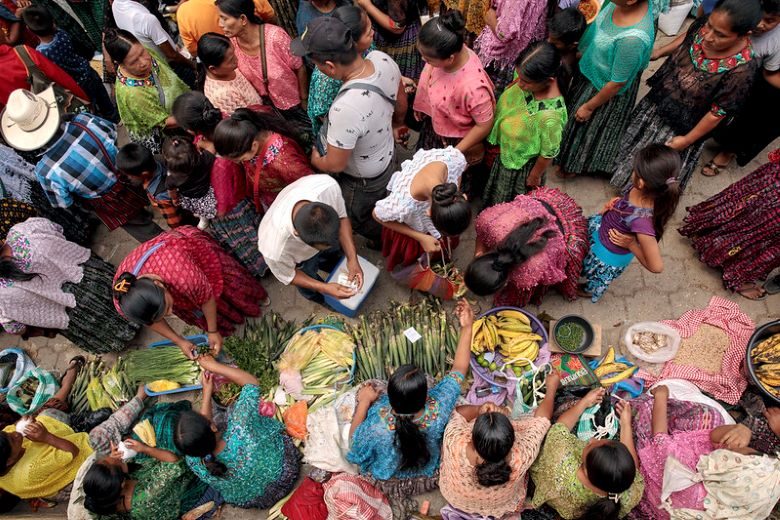
Women selling crops they have grown at a market in Guatemala (Photo: UN Women / Flickr [CC BY-NC-ND 2.0])
No. 6 Colombia issues visas to 1 million Venezuelan refugees and migrants
Colombian President Iván Duque made the decision to grant approximately 1 million refugees and migrants from neighboring Venezuela a 10-year temporary residence permit. In Venezuela, due to economic collapse since 2014 and political confrontation, many citizens faced unemployment and inflation, falling into malnutrition and hunger. Since 2015, when life nationwide became increasingly difficult for many, about 5.4 million Venezuelans fled abroad seeking safety and economic stability. This is considered one of the largest humanitarian crises and movements of people in the world, and by the end of 2020, Venezuela ranked second only to Syria in the number of people who had fled the country globally. Of the refugees and migrants from Venezuela, 34% have fled to Colombia. In this context, UN High Commissioner for Refugees (UNHCR) Filippo Grandi described Colombia’s decision as “a humanitarian gesture of an unprecedented scale in this region and indeed across the world” statement. The permit grants Venezuelans who fled to Colombia the right to work and access public services. After 10 years, they will be able to apply for a residence visa. At the same time, challenges remain regarding the procedures for issuing permits, regulation of unscrupulous brokers, and winning public support among Colombians.
Amount of coverage
Asahi Shimbun: 0 articles/0 characters
Mainichi Shimbun: 0 articles/0 characters
Yomiuri Shimbun: 2 articles/891 characters
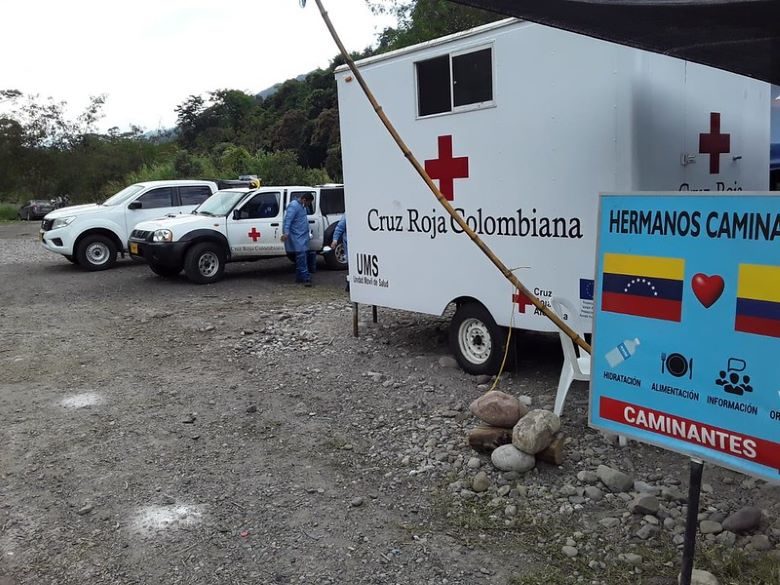
A support center providing supplies, information, and more to migrants and refugees (Photo: Cristal Montañéz / Flickr [CC BY-SA 2.0])
No. 7 The largest wildfires on record in Siberia
In 2021, large wildfires in Greece, Turkey, the United States, and Canada drew attention in Japanese media, but wildfires of an even larger scale occurred in Siberia, Russia. The fires burned more than 18.16 million hectares and released more than 550 million tons of carbon dioxide into the atmosphere. Smoke from these massive fires reached the Arctic and was reported to have been observed even over Ulaanbaatar, Mongolia, more than 2,000 kilometers away reported. In the taiga coniferous forests stretching from Russia to Canada, wildfires occur every summer, but the 2020 and 2021 fires were exceptional in scale even by those standards. One factor is the impact of climate change. In Russia’s northeast, there were record heatwaves around June in the past two years, with days far above average from spring onward. A warm spring combined with extremely dry soils is believed to be triggering large fires. The fires also burn the layer of organic matter covering the permafrost, which, exposed to flames and heat, thaws; the dried permafrost can then act as fuel and allow the fires to spread further. Government management shortcomings have also been pointed out. There are claims that the government does not take the issue seriously enough, citing low population density, despite the large wildfires occurring almost every year.
Amount of coverage
Asahi Shimbun: 0 articles/0 characters
Mainichi Shimbun: 0 articles/0 characters
Yomiuri Shimbun: 1 article/627 characters
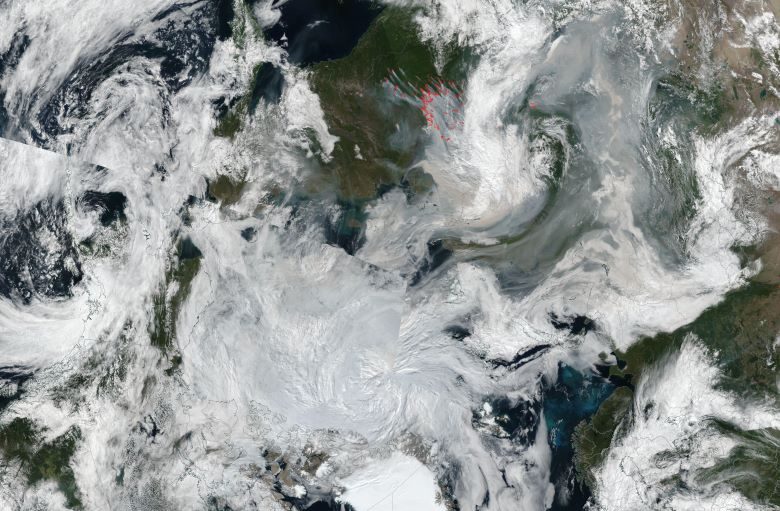
August 8, 2021: Wildfires spreading across Siberia and smoke mingling with clouds (satellite image: NASA EOSDIS)
No. 8 Trade begins under the African Continental Free Trade Area
In January 2021, free trade began under the African Continental Free Trade Area (AfCFTA), which is the world’s largest free trade area by number of participating countries (54). After more than five years of negotiations, the agreement was concluded on March 21, 2018, making it possible to gradually eliminate tariffs on 90% of goods traded within the region—a market with a population of 1.2 billion and GDP of USD 2.5 trillion. A World Bank report states that, with the launch of the free trade area, by 2035 Africa’s income will increase by USD 450 billion and exports by USD 560 billion. Growth in manufacturing is also expected, and the World Bank estimates that 30 million people will exit extreme poverty (Note 4). In addition, since many women are involved in cross-border trade in Africa, increases in their employment opportunities and incomes are also anticipated. Challenges remain, however. Eritrea has not yet signed the agreement. The low rate of infrastructure development in the region could also hinder the benefits of expanded free trade. While AfCFTA has enabled the free movement of goods, a protocol adopted at AfCFTA’s establishment that would allow people to travel freely without visas has not been signed by countries such as Nigeria and South Africa, and restrictions on the movement of people remain. Will AfCFTA become a catalyst for demonstrating the importance of cooperation in international trade?
Amount of coverage
Asahi Shimbun: 0 articles/0 characters
Mainichi Shimbun: 0 articles/0 characters
Yomiuri Shimbun: 0 articles/0 characters
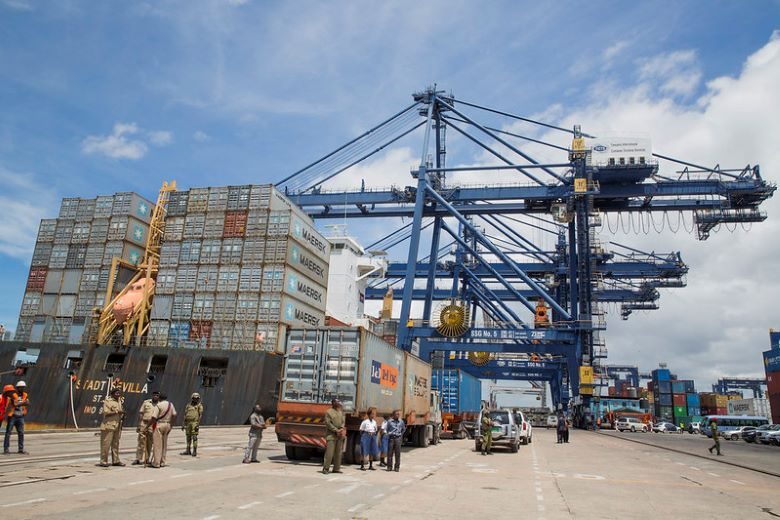
Port of Dar es Salaam, Tanzania, with containers stacked (Photo: Paul Kagame / Flickr [CC BY-NC-ND 2.0])
No. 9 The Pacific Islands Forum splits
In February 2021, five countries in the Micronesia subregion of the Pacific—Palau, the Marshall Islands, the Federated States of Micronesia, Kiribati, and Nauru—announced their withdrawal from the Pacific regional organization, the Pacific Islands Forum (PIF), precipitating the Forum’s greatest crisis since its inception. The Pacific countries are divided into the subregions of Micronesia, Melanesia, and Polynesia, but these countries have long argued that Micronesia, with its smaller share of the population, is being overlooked by the others. There is also an unwritten rule that the Forum’s Secretary-General is selected in rotation from each subregion, but in the February 2021 selection, a Micronesian candidate who should have been next in line was not chosen, and looking back, a Micronesian has been selected as Secretary-General only once. The five countries announced their withdrawal in protest at these developments. The Pacific Islands Forum is a regional cooperation body established to work together on issues facing Pacific countries and territories. In particular, as countries outside the region seek to increase their presence in the Pacific, it has been considered necessary for the region to act as one on security issues and the protection of rights over marine resources. The impacts of climate change, such as sea level rise, are also deepening, but there are differences in perception between the Micronesian countries, which are most severely affected, and others in the Forum. With the United States, Australia, New Zealand, and in recent years China each seeking to maximize their influence in the Pacific, dialogue with countries beyond Forum members has also become necessary. Although dialogue between the five Micronesian countries and the Forum continued after the withdrawal announcement, as of September they had not budged from their stance.
Amount of coverage
Asahi Shimbun: 0 articles/0 characters
Mainichi Shimbun: 1 article/1,062 characters
Yomiuri Shimbun: 2 articles/784 characters
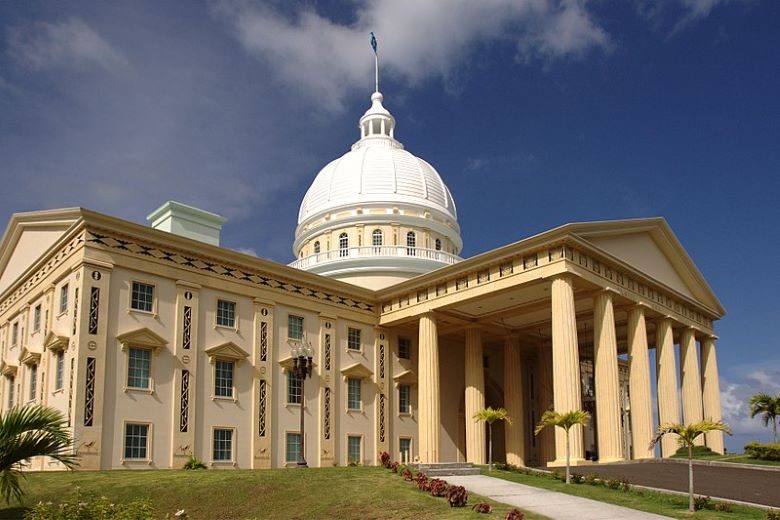
The National Congress building in Palau (Photo: Lukas / Wikimedia Commons [CC BY 2.0])
No. 10 Madagascar suffering from drought and hunger
In the island nation of Madagascar off southeastern Africa, the worst drought in 40 years and the resulting widespread crop failures and hunger intensified in 2021. As of November 2021, about 1.3 million of Madagascar’s people were said to be in a crisis level of hunger. Some have reached the worst level of hunger out of five on the Integrated Food Security Phase Classification (IPC) set by the UN World Food Programme (WFP). According to WFP, by April 2022 about 500,000 children under five in Madagascar would become malnourished, and among them 110,000 would become severely malnourished, it projected. Regarding the situation Madagascar faces, WFP stated it is the first famine in history caused by climate change, while other research finds climate change is not directly related to Madagascar’s food crisis, and both views exist. In addition to drought, inadequate infrastructure also contributes to food shortages. Madagascar produces vanilla—the second most expensive spice in the world—and mines mineral resources such as nickel, cobalt, and ilmenite. However, much of this wealth flows abroad in an unfair trade structure, and it cannot be said to be translating into expected revenue. Alongside low incomes, rising food prices due to shortages are severe, and there is a host of challenges to overcome poverty and hunger.
Amount of coverage
Asahi Shimbun: 0 articles/0 characters
Mainichi Shimbun: 1 article/356 characters
Yomiuri Shimbun: 0 articles/0 characters
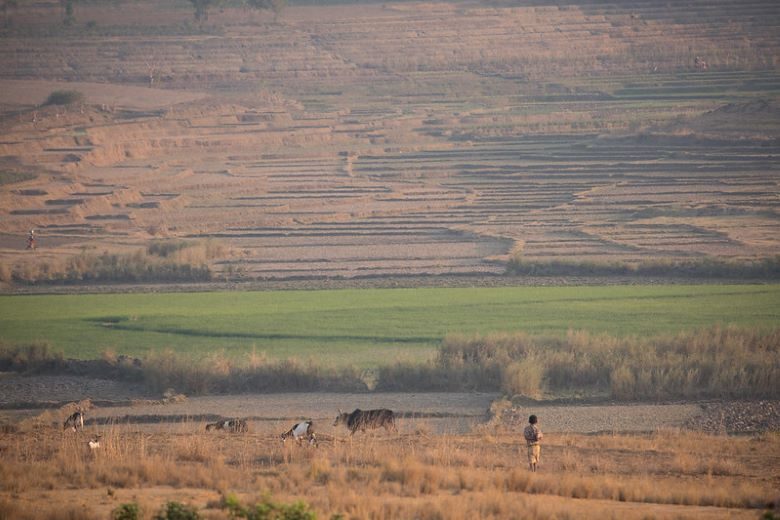
Rural landscape in Madagascar (Photo: Matt Francey / Flickr [CC BY-NC 2.0])
Looking back over the above top 10 news stories, although the extreme inequality spreading worldwide and the unfair economic systems behind it had already been conspicuous, the pandemic has made the situation even more pronounced. The rapidly widening inequality was also revealed by the exposés on tax havens. Climate change-related news had featured in the top 10 that GNV has released in the past, and this time there was also the wildfires in Siberia. Food issues, related to both inequality and climate change, also appeared in several of the stories this time. Among the selected top 10 news items were positive developments such as the malaria vaccine, free trade in Africa, and Colombia’s acceptance of migrants and refugees, but there are far too many issues in the world that go unnoticed.
In gathering news from around the world, we could only select 10 events, but there were several equally important developments that did not make the top 10. For example, in relation to the serious progression of climate change, there was news that CO2 emissions exceeded absorption in Brazil’s Amazon. Armed conflicts occurring in various regions were also candidates. One example is the expansion of conflict in the Sahel and the humanitarian issues it causes. Food crises accompanying conflicts have also worsened in the Democratic Republic of the Congo and Yemen. On the other hand, in Libya, where conflict had continued for many years, there was progress toward peace, with elections scheduled at the end of the year.
GNV will continue in 2022 to highlight and share major global news that is less likely to be covered.
Note 1 For example, using Asahi Shimbun’s online database (Kikuzo II Visual) to search articles containing the word “corona” on the international pages of the Tokyo morning and evening editions from January 1, 2021 to the morning edition of December 14, 2021, 968 results were returned.
Note 2 In selecting the rankings, we evaluated according to multiple criteria such as volume of coverage of the event/phenomenon, the magnitude of its impact, and the scale of change in 2021. Even for events or phenomena that had continued before 2021, we ranked matters that became clear in 2021 on the same basis as news that occurred in 2021.
The specific method was as follows. We divided the world into six regions (1) East, South, and Central Asia; (2) Southeast Asia, the Pacific, and the Indian Ocean; (3) the Middle East and North Africa; (4) Sub-Saharan Africa; (5) Europe; and (6) the Americas. For each region, we picked 4 events/phenomena considered significant that received little coverage in Japan, plus 6 global events/phenomena not limited to a region, for a total of 30. For each, we assigned scores out of 3 for five criteria: (1) lack of coverage, (2) number of people affected and severity of impact, (3) degree of impact on systems such as politics, economy, society, and security, (4) transboundary nature, and (5) freshness. Because this ranking emphasizes underreported matters, we doubled the weight for (1) lack of coverage. Based on the results, we narrowed the 30 candidates down to 10 and decided the order through an editorial meeting. The volume of coverage was tallied from January 1, 2021 to December 15, 2021.
Note 3 To assess volume of coverage, we used the online databases of Asahi Shimbun, Mainichi Shimbun, and Yomiuri Shimbun (Asahi Shimbun: Kikuzo II; Mainichi Shimbun: Maisaku; Yomiuri Shimbun: Yomidas Rekishikan). We targeted the national and Tokyo editions of the morning and evening papers, examining not only headlines but also the body text.
As a criterion for counting an article toward coverage, we judged whether the topic was the main theme of the article. In other words, if the topic was mentioned only in a sentence or referenced in just part of the article, we did not count it toward coverage.
In cases where a single article treated two topics as main themes and one of them matched, we counted it as 0.5 of an article.
Note 4 While GNV adopts the Ethical (moral) Poverty Line (USD 7.4 per day) rather than the World Bank’s extreme poverty line (USD 1.90 per day), due to insufficient data on this line, we use the World Bank’s extreme poverty line here. For details, see GNV’s article “How should we interpret the world’s poverty situation?”
Writer: Rioka Tateishi








知らないことばかりでした。実際、知らなくても困らないニュースもあるんだとは思います。でも、貧困や気候変動をはじめ「知らなかった」で済ましていいレベルではない問題がたくさん詰まっていて、多くの人に読んでほしいと思いました。
ポッドキャストも楽しみにしています。
今年も10大ニュースが出ましたね!!ありがとうございます!
1年間で世界の格差がここまで拡大しているのに、大手メディアが一切報道しない。
新聞を真面目に読んでいても世界の現状が全然把握できないことが悲しいです。
パンドラ文書、日本の著名人の名前があったにもかかわらず、報道数が限られていますね
日本には関係ないから、と切り捨てる人もいますが、高度にグローバル化社会では世界で起きていることすべてがどこかで私たちの社会や生活と繋がっていると言えます。これからもGNVにはこういった問題を取り上げてほしいです。
日本の大手メディアは、私達が本来知るべきニュース(世界に大きなインパクトを与える情報)をより中立的に報道してほしいと感じました。
トップ10に入った中でも、南半球に関する記事は初めて学ぶことが多く、読んでいて興味深かったです。
来年も楽しみにしています!
毎年自分が目にしてこなかったニュースを発見することができ、楽しみにしています。こうしてまとめてくださることで、さらにそこから興味を深ぼることができる、素敵な記事だとおもいました。
SDGsが叫ばれる昨今、このようなニュースが報道されていなかったことを知り考えさせられました。「SDGsに関するこのような取り組みを行っている」などのプラスの面がメディアで多く取り上げられているような印象を受けていますが、マイナスの面にもしっかり目を向ける姿勢が必要だと感じます。
報道量が0の出来事が多すぎて、朝日新聞で11記事報道されたパンドラ文書が多いように錯覚するが、11記事でも十分少ない。
GNVの別の記事に日本との関係性が報道量に関係していると書いてあったが、ランクインした出来事を見ると本当にその通りだと思う。メディアは日本にとっての重要度ではなく、世界にとっての重要度を考慮するべきであると感じた。
重大なニュースばかりだと感じましたが、正直この記事を読むまで知らなかったことも多かったです。
報道量が0のものが多いのは、メディアの責任であると同時に、こうした問題に目を向けない私たち国民の責任でもあるなと反省しました。
32l6c5