
“Humanity now stands at a crossroads.” This is a line from the September 2020 report on biodiversity by the United Nations Environment Programme (United Nations Environment Programme: UNEP). According to this report, during the ten years from 2011 to 2020 designated as the “United Nations Decade on Biodiversity” (United Nations Decade on Biodiversity), twenty biodiversity targets (the Aichi Targets) were set, but it became clear that not a single one was achieved.
Biodiversity is now being lost at the fastest rate in human history, and in its January 2020 report the World Economic Forum (World Economic Forum: WEF) identified it as one of the top five risks humanity will face over the next decade. As urgent action is required to address this problem, humanity truly stands at a turning point: can we prevent further loss of biodiversity or not? Given how critical the situation has become, is biodiversity being covered in Japan’s international reporting? If so, how is it being reported? In this article, I will explain the global state of biodiversity, the causes of its loss, and the problems that arise from it, and then analyze Japanese international reporting from the establishment of the Aichi Targets to the present.
目次
The current state of biodiversity
Before describing the current state of biodiversity, it is worth confirming what the term itself means. Biodiversity refers not only to the variety of species, but to diversity at multiple levels—genes, species, and ecosystems. Through interactions at all of these levels, air, water, and food are sustainably produced, allowing Earth to function as a place where life can exist.
So what is the situation worldwide? As noted at the outset, biodiversity is being lost at the fastest rate in human history, and the planet is facing the sixth mass extinction in its history (※1). This scale of extinction has not occurred since the extinction of the dinosaurs 66 million years ago. Over 400 vertebrate species have gone extinct in the past 100 years—an amount that would have taken over ten thousand years at normal evolutionary rates. The pace of extinction is accelerating year by year, and if current trends continue, more than 500 species are predicted to go extinct over the next 20 years. Because biodiversity is sustained by interactions among species, the extinction of a single species can trigger extinctions of others and have major impacts on ecosystems. Furthermore, humans have not necessarily identified all existing species accurately. For example, what surveys recognize as a single species may actually comprise dozens of distinct species. It is thought that many organisms are going extinct without humans ever realizing that such diverse species existed。
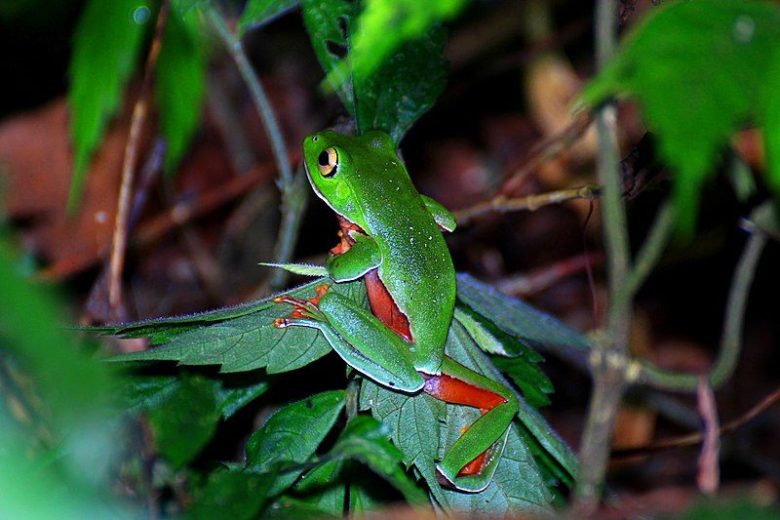
Tree frog endemic to Taiwan, an endangered species (Photo: Odinwang / Wikimedia Commons [CC BY-SA 4.0])
Causes of biodiversity loss
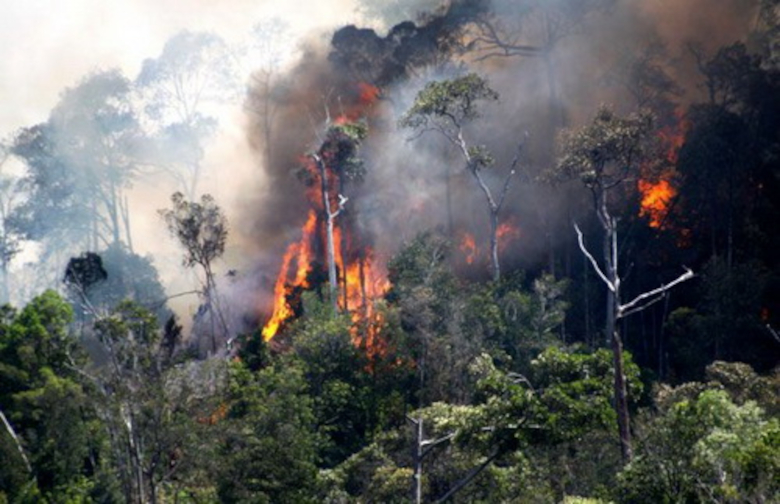
Why has the state of biodiversity deteriorated so drastically? According to UNEP’s September 2020 report on biodiversity, there are five major drivers. The first and largest factor is the loss of natural habitats due to human land use. In tropical regions, where biodiversity is particularly rich, deforestation and other activities destroy habitats, and the land is converted for livestock or plantations, causing severe damage. Globally, urbanization and agricultural expansion associated with population growth have resulted in the loss of 85% of wetlands and 75% of terrestrial natural habitats。 Habitat conversion is the largest factor in plant loss in particular. It is estimated that about 40% of all plant species currently face the risk of extinction. Despite this situation, the global population will continue to grow, and the extent of cities is projected to be three times its 2000 level by 2030, suggesting that human use of natural habitats will continue to increase。
The second major factor is overexploitation of natural resources. Around the world, fisheries, forestry, and hunting are proceeding beyond sustainable limits, and their scale is now the largest in history. In the oceans, biodiversity loss is driven primarily by overfishing, and 66% of the marine environment is affected most. Terrestrial resource exploitation is also significant. Although the global pace of deforestation has slowed since 2000, it varies greatly by country and region. In tropical areas in particular, 32 million hectares of forest were lost between 2010 and 2015.
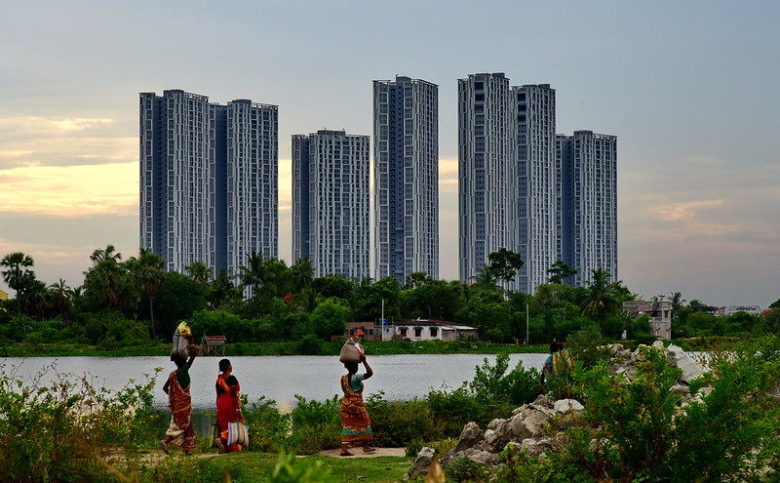
Urban skylines and people living in the suburbs (Photo: Abhijit Kar Gupta / Flickr [CC BY 2.0])
Exacerbating the two drivers above is the problem of subsidies from governments for environmentally destructive activities. Governments subsidize agriculture and fisheries beyond sustainable levels, as well as fossil fuel use, and the total amount globally exceeds subsidies for environmental protection initiatives. In addition to government subsidies, bank financing is also an issue. In 2019, it was revealed that large banks lent as much as US$2.6 trillion to activities linked to environmental destruction.
The third driver worsening biodiversity is climate change. Of the roughly 9 million species identified on Earth, at least one quarter of plants and animals are already affected by climate change. Climate change not only directly drives biodiversity loss, but also indirectly causes extinctions by reducing food availability, shifting habitats in ways that introduce new predators, and enabling new diseases to emerge. Climate change also interacts in complex ways with other drivers such as habitat conversion and overexploitation, further harming biodiversity, and its impact is growing year by year.
The fourth factor is pollution. Each year, 3 to 4 million tonnes of solvents and other hazardous substances are released into the environment from industry, mining, and agriculture. Plastic waste also has a major impact on marine biodiversity: its volume has increased tenfold since 1980 and is affecting at least 267 species of marine life.
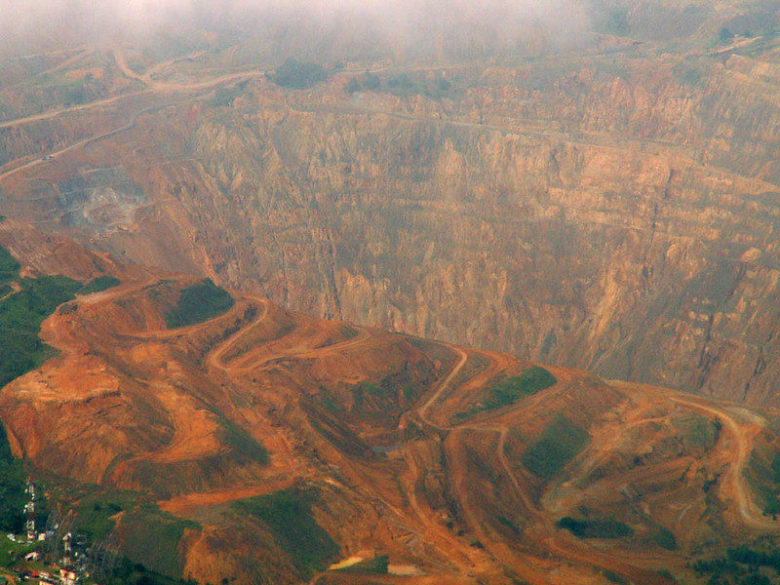
Open-pit mining (Photo: Storm Crypt / Flickr [CC BY-NC-ND 2.0])
The fifth factor is the increase in invasive alien species. Globalization has accelerated the cross-border movement of goods and people, allowing plants and animals not native to an area to invade. As a result, local ecosystem systems collapse, driving the extinction of native species. In fact, invasive species have increased by 40% since 1980, and one-fifth of the world’s land area is affected.
Problems arising from biodiversity loss
What problems arise from biodiversity loss? The WEF’s January 2020 report on the risks the world will face over the next decade lists four major ones. The first is food insecurity. Fertile soil, clean water, and pollination are all necessary for food production, and all are underpinned by biodiversity. For example, focusing on pollination, about 75% of the crops humans produce rely in some form on animal pollinators. Bees, in particular, play a crucial role in pollination. However, insects such as bees face multiple pressures, including habitat loss as well as pesticides and light pollution, and it is estimated that 40% of insect species are currently at risk of extinction.
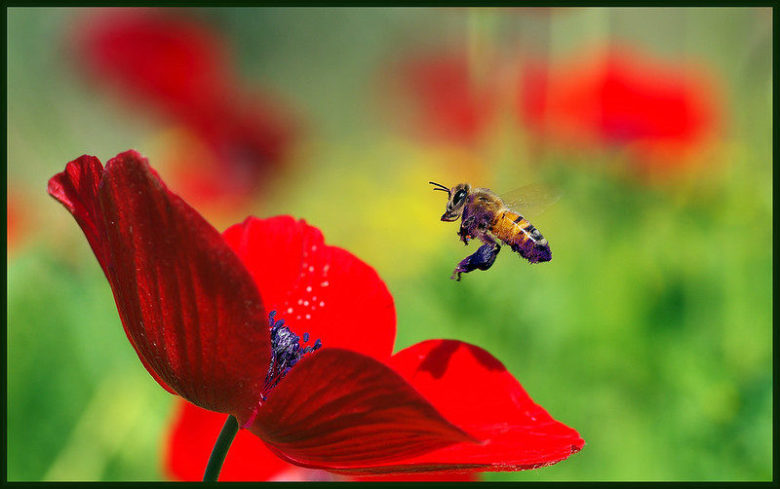
A bee performing pollination (Photo: Ziva & Amir / Flickr[CC BY-NC-ND 2.0])
The second concern is health risks. Clean air and water are essential for human life, and biodiversity also affects medicines. Fifty percent of modern medicines are derived from nature, so biodiversity loss threatens the raw materials for drugs. As a result, we may not be able to continue producing existing medicines, and the development of new medicines that could treat currently incurable diseases may also be hampered. In addition, the loss of animal habitats and the effects of climate change are raising concerns about the spread of new diseases with which humans have not previously had contact. Deforestation has driven wild animals from their habitats into human settlements, leading to diseases that jump from animals to people. In fact, one-third of emerging diseases are attributed to animal habitat loss caused by human land use. The novel coronavirus is considered one such example.
The third is the further worsening of climate change. As biodiversity declines, so does the capacity to reduce greenhouse gases. The cause is not only the loss of forests due to deforestation. For example, phytoplankton drifting in the ocean are thought to absorb an amount of carbon dioxide comparable to that absorbed by all the world’s forests. However, they are decreasing as sea surface temperatures rise, which is expected to further exacerbate climate change.
In addition, biodiversity loss poses an economic risk. More than half of global GDP depends on nature in some form. Many industries, including agriculture and construction, are underpinned by biodiversity systems. As biodiversity loss progresses, economic activity in these sectors becomes more difficult, creating a risk that countries with a large share of primary industries will fall further behind economically。 Coral reefs, for example, have generated about US$36 billion in tourism value annually, but they are now at risk of extinction, causing major economic losses.
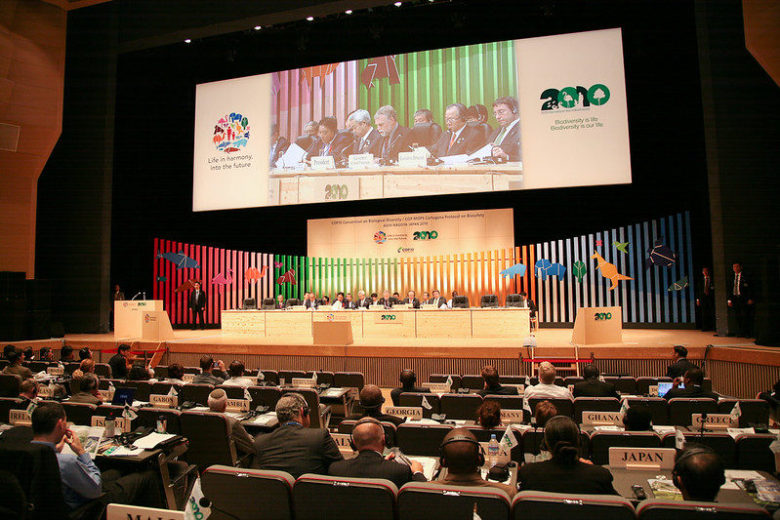
COP10 held in 2010 (Photo: COP10 Japan / Flickr [CC BY-ND 2.0])
Despite the many problems that arise from biodiversity loss as described above, biodiversity issues tend to be treated as secondary. The 20 goals mentioned at the outset are the Aichi Targets, agreed upon at the 10th Conference of the Parties to the Convention on Biological Diversity (COP10) held in Japan in 2010. The failure to achieve internationally agreed biodiversity targets is the second such failure, following the targets agreed in India in 2002. The 20 targets agreed at COP10 included curbing habitat loss, expanding protected areas, promoting sustainable agriculture, fisheries, and forestry, and eradicating invasive species. While there was some improvement in increasing protected areas and addressing invasive species, not a single target was achieved.
In response to these global goals, governments can, for example, limit human use of natural habitats and impose restrictions on excessive resource exploitation to promote sustainable development. In turn, companies need to keep their development within limits and work to prevent pollution. Even without government restrictions, companies should do their best to curb activities that burden the environment and drive biodiversity loss. However, one study found that only five of the top 500 U.S. companies have set clear targets regarding biodiversity. Citizens, as voters and consumers, can also exert pressure on governments and companies to restrain activities that threaten biodiversity and to actively undertake conservation efforts. At the same time, civic groups working on environmental issues can share information with citizens, influence voting and consumption behavior, and promote improvements. Yet none of these actors—governments, companies, or citizens—can act if they do not grasp the scale of the biodiversity crisis. In other words, the media needs to provide people with information on the current state of biodiversity and the issues at stake.
Analysis of media coverage
So how has biodiversity been covered in Japanese international reporting? This time, I examined articles related to biodiversity among those considered international reporting in the Asahi Shimbun (morning and evening editions) over the 11 years from 2010, when the Aichi Targets were set, to 2020 (※2). I counted the number of articles by year and analyzed their content. The results show, first of all, that there are very few articles on biodiversity itself: only 120 in total over the 11 years from 2010 to 2020. More than half of those—77—appeared in 2010 alone, when COP10 was held in Japan. In contrast, in the years after 2010, there were only a few articles per year.
Classifying articles by content, the most common category was coverage of government actions such as international conferences, accounting for more than half (66) of all articles. Of these, 47 dealt with developments at COP10, and for COPs held after 2010, there were only a few articles each. The next most common category was articles on measures to address biodiversity loss, with 17 articles. Of these, six referred to global efforts to conserve ecosystems, and the rest focused on species protection efforts in specific countries or regions. The third largest category comprised 16 articles on the current state of biodiversity, such as extinction trends and findings from research reports. Next were 12 articles that discussed drivers of biodiversity loss, including resource exploitation, global warming, and pollution. Meanwhile, only one article focused on the problems arising from biodiversity loss—economic losses. In other words, readers were given very little information about why biodiversity loss is a problem.
Challenges in media coverage
The analysis above shows a tendency for Japanese coverage to focus particularly on the actions of the Japanese government. After 2010, when COP10 was held in Japan and received major coverage, reporting on biodiversity dropped to only a few articles per year. This suggests that the volume of coverage in 2010 was driven not by the importance of the conference’s content, but because it was an international conference held in Japan. However, the media’s proper role should not be simply to track what is discussed at international conferences. Rather, news organizations should regularly pick up on issues raised by research institutions and civil society groups, grasp the current state and scale of biodiversity problems, and provide accurate information and critical scrutiny to governments, companies, and citizens. In addition, because there were almost no articles on the Aichi Targets after 2011, it appears the targets were largely forgotten once set, with little follow-up on progress or achievement. Precisely because biodiversity requires long-term efforts, the media should monitor government and corporate initiatives and play a watchdog role by calling out problems when they arise.
Although the current state and drivers of biodiversity loss were covered to some extent, there was almost no discussion of the resulting issues such as food and health insecurity. Because biodiversity spans many domains and is a large, complex issue, comprehensive coverage is needed. Furthermore, biodiversity loss is a gradual process. As a result, an event-driven approach to reporting can lead to fewer articles on biodiversity. In reality, however, research findings on biodiversity, new records of extinctions, and updates on the state of deforestation are being published daily, and there is plenty of newsworthy information, including progress and achievement since the Aichi Targets were set. While some of the articles analyzed did address the current state of biodiversity and research reports, the volume of coverage needs to increase further to help the public grasp the scale of the problem.
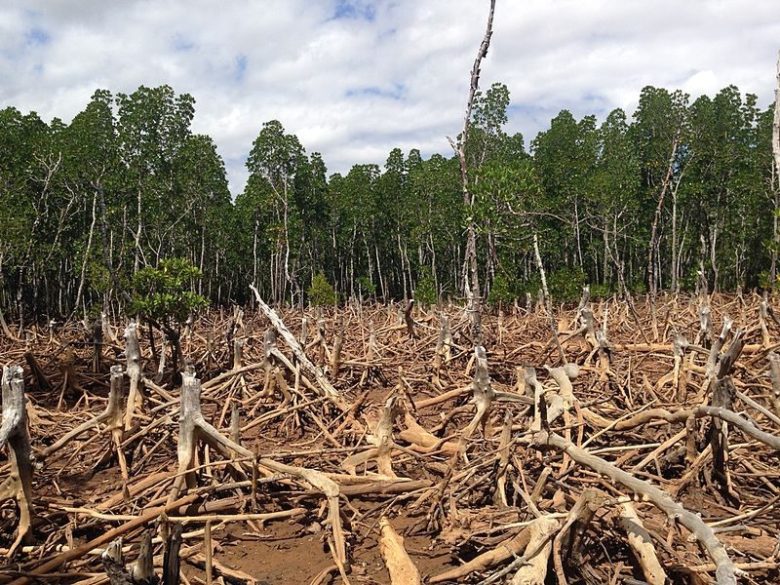
State of deforestation in Madagascar (Photo: Cunningchrisw / Wikimedia Commons[CC BY-SA 4.0]))
2020 was the deadline year for the Aichi Targets, and COP15 was also scheduled to be held. However, amid the turmoil of the COVID-19 pandemic, COP15 was postponed to May 2021。 Given the unprecedented pace of biodiversity loss, building on the lessons of the Aichi Targets, fundamental reforms will be needed in land use, corporate activities, and consumption through policy reviews and shifts in corporate and public awareness. A corresponding rethink of media coverage is also to be expected.
※1 The five mass extinctions prior to the current one are as follows. The first occurred about 440 million years ago. The second was about 370 million years ago. The third occurred roughly 250 million years ago, wiping out more than 95% of species and marking the largest extinction in history. The fourth occurred 50 million years later. The fifth took place about 66 million years ago.
※2 Counted using the Asahi Shimbun’s online database “Kikuzo II,” covering morning and evening editions published in Tokyo between January 1, 2010 and December 31, 2020. Among articles containing the term “biodiversity” in their headlines and text, only those that treat biodiversity as the main theme and focus primarily on areas outside Japan were included.
Writer: Maika Kajigaya
Graphics: Maika Kajigaya















これほどまでに生物多様性が失われているとは知りませんでした。問題改善のためにも、報道の仕方が見直され、人々の意識も改革されていくといいなと思いました。
とても興味深い内容で問題意識が強まりました。
身近でできるところから取り組んでいきたいです
世間のほとんどの人が身の回り関連のことで時を過ごしている中で、地球的な問題を取り上げPRをする活動は異次元の世界で大変なことですが、ほんの少しでも改善することに協力することに拍手を送ります。
一読して、改めて自らの意識の低さに愕然としました。
環境破壊、気候変動、食糧不足など単語としての知識程度しかないと恥ずかしくなりました。
自発的な意識の向上や具体的な取り組み、実行が大切なのはもちろんです。
同時に此に如何にして『報道』が影響してくるか、ということも、わかりやすく読むことができました。
気候変動とか、環境問題とかは世界中でよく議論されているイメージがあるのに、生物多様性についてはあまり議論されていないと知って驚きました。
現在、地球史上6回目の大量絶滅期に入っているということを初めて知り、とても危機感を感じました。
それにも関わらず生物多様性に関する報道は、愛知目標が設定された2010年に集中し、それ以降はほとんど報道がないことに驚きました。徐々に進行する現象なので報道するのが難しい点もあるとは思いましたが、生物多様性を守るためには多くの人々の行動や意識の変化が必要なので報道の在り方を見なすべきだと感じました。
愛知目標という存在自体を無知ながら初めて知りました。
目標の不達成が明らかになった後に報道の数が増えてないのは、やはり日本で開催された目標なので悪印象を与えるニュースは報道したくないのかなと思いました。