
In 2020, when the whole world was under threat from the novel coronavirus, international reporting was novel-coronavirus-only. But is such coverage sufficient to understand the world comprehensively? It is true that the novel coronavirus infected and killed many people worldwide and dramatically changed the lives of many. The impact of COVID-19 measures has created mass unemployment and, for the first time in 22 years, led to a rise in the global extreme poverty rate worldwide, hitting low-income countries particularly hard with severe economic and social damage. Meanwhile, as COVID-19 dominated the news, many other events around the world were taking place with comparable or even greater impact. Focusing on health, for example, tuberculosis alone killed about 1.4 million people in 2019, a death toll close to that of the novel coronavirus. Conversely, there was encouraging news from Africa that wild poliovirus had been eradicated. Beyond COVID-19, the U.S. presidential election also drew significant coverage, but many of the events that endangered lives around the world in 2020—armed conflicts, disasters, and climate change—received relatively little attention.
Following on 2018 and 2019, GNV believes that in 2020, too, important events around the world were not necessarily covered in proportion to their scale and impact. We therefore compiled a ranking of significant developments that were underreported.
For detailed criteria, see note (※1), and for how we measured coverage, see (※2). Now, let’s look at the top 10 hidden global news stories of 2020, starting from number 1.
目次
1st: Central Sahel: 13 million people need humanitarian assistance due to conflict, climate change, and more
The Central Sahel region of Africa, including Mali, Burkina Faso, and Niger, is experiencing an unprecedented humanitarian crisis. In 2012, conflict in Libya spilled over and an armed rebellion by armed groups and extremist organizations erupted in northern Mali; by 2018, the conflict had expanded into Burkina Faso and Niger. Since then, armed groups, extremist organizations, self-defense groups, pro-government militias, and security forces have continued fighting, fueled by hostility rooted in ethnic and religious identities. Targets have included civilians and public facilities such as schools and health centers; in the one-year period from October 2019, more than 6,600 people were killed in fighting and violent incidents, and more than 4,000 schools were closed. In addition to conflict-related turmoil, temperatures in these areas are rising faster than the global average, and the region is heavily affected by climate change, including unpredictable and frequent floods and droughts. As a result of conflict and climate impacts, food production has faltered, and about 7.4 million people—three times the 2019 figure—are in severe food insecurity. Compounding this are weak state governance, the proliferation of weapons, and water shortages due to climate change, all of which are worsening the conflict. Internally displaced people and refugees surged to 1.8 million in 2020, more than 20 times the number two years earlier. Furthermore, economic stagnation due to COVID-19 measures and other factors has left more than 13 million people—about one-fifth of the population of the three Central Sahel countries—in urgent need of humanitarian assistance.
Coverage
Asahi Shimbun: 1 article/1,836 characters
Mainichi Shimbun: 0 articles/0 characters
Yomiuri Shimbun: 1 article/1,300 characters
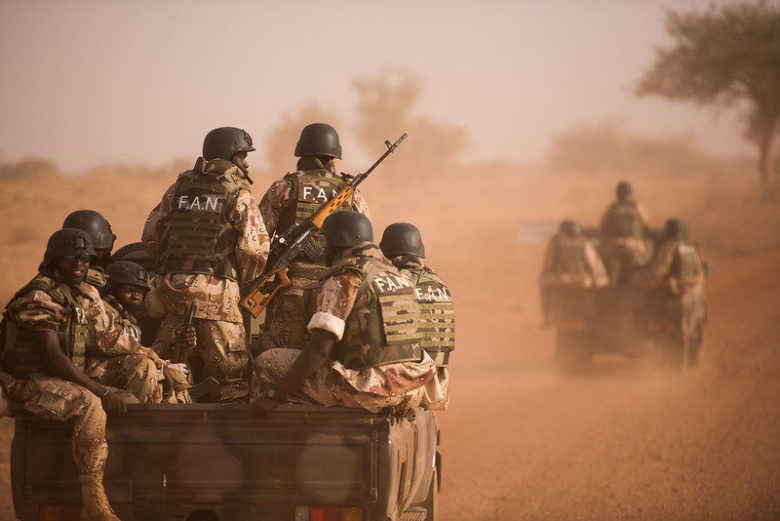
Military training in Niger (Photo: USAFRICOM / Flickr [CC BY 2.0])
2nd: Yemen: Facing the worst humanitarian crisis since the conflict began
In 2020, Yemen faced an “imminent catastrophe” amid a protracted conflict and a worsening humanitarian crisis. The Yemen conflict (※3) began in 2014 when the Houthi movement, reportedly backed by Iran, brought northern Yemen, including the capital Sanaa, under its control. The following year, a Saudi-led coalition intervened in support of the Yemeni government, but the government failed to retake the north, and the conflict has dragged on since. In April 2020, the Southern Transitional Council (STC), which had split from and clashed with the government and advocates southern independence, declared self-rule in the south. Amid this, there were reports in November 2020 that Saudi Arabia, the coalition leader, and the Houthis were holding talks toward a ceasefire, and in December the STC—which had continued negotiations after declaring autonomy—agreed with the Yemeni government to form a joint government, suggesting movement toward peace. However, numerous challenges remain. One is that Yemenis have been driven into a humanitarian crisis of the worst level since the outbreak of the conflict. In addition to the fighting, torrential rains, job losses and reduced incomes related to COVID-19, and swarms of desert locusts have pushed the number of people in severe malnutrition in southern Yemen up by 10% compared to 2019, and by mid-2021 more than 15 million—half the population—could face food insecurity. By 2020, more than 230,000 people had died due to the conflict, over 130,000 of them from indirect causes such as food shortages and lack of infrastructure, according to reports. Yet in stark contrast to this reality, external funding has plummeted, forcing the UN-led humanitarian program to shut down more than one-third of its operations.
Coverage
Asahi Shimbun: 4.5 articles/3,936.5 characters
Mainichi Shimbun: 5 articles/4,970 characters
Yomiuri Shimbun: 2 articles/482 characters
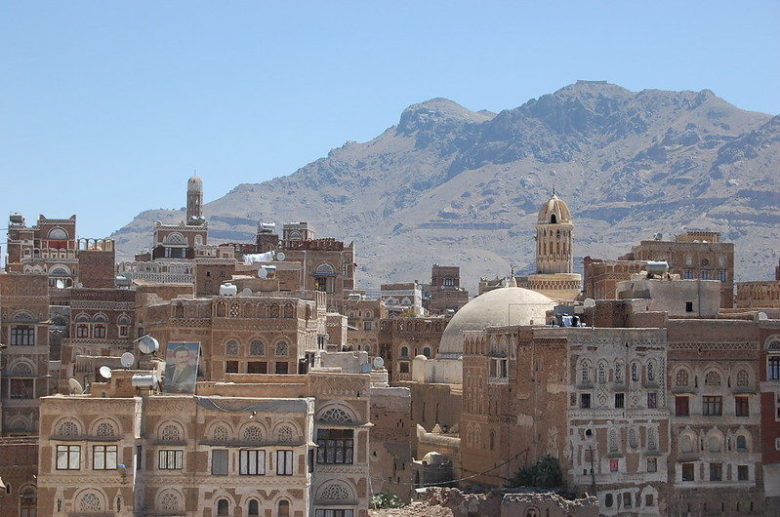
Sanaa, the capital of Yemen (Photo: Manogamos, Algunas veces Mujeres Violentas / Flickr [CC BY-NC-ND 2.0])
3rd: Greenland: Discovery that the ice sheet is melting past a point of no return
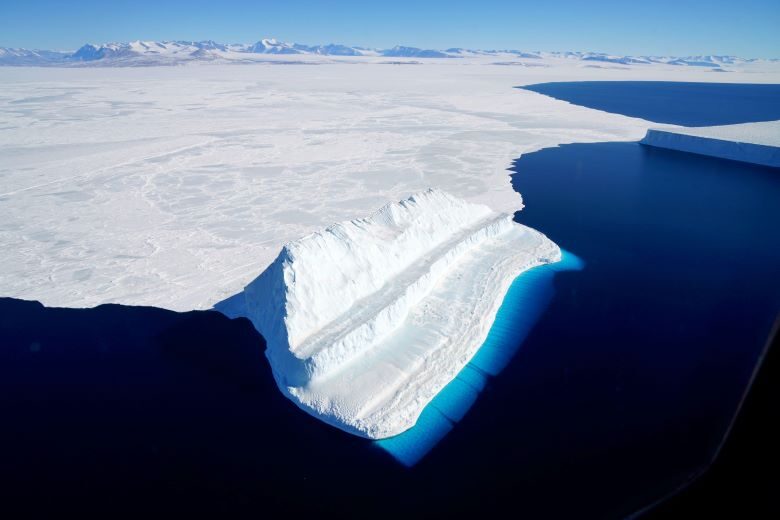
Greenland’s ice sheet is melting at the most rapid pace in 12,000 years, and it has passed a “tipping point” at which snowfall can no longer replenish the amount of ice flowing into the sea each year, a recent study has found. According to the research, until around the 1980s, the outflow of glaciers into the ocean and the snowfall that builds them were in balance. Over the past decade, however, melt has increased while snowfall has remained flat; even if climate change were to stop immediately, the melted ice sheet could not be fully rebuilt. Because Greenland’s ice sheet is enormous and influences the climate of surrounding land, the more it melts the warmer Greenland becomes, and it is possible that snowfall will decrease in the future. The melting of Greenland’s ice sheet is considered a major driver of current global sea-level rise and could raise the sea by 10 centimeters by the end of the 21st century, potentially exposing approximately 400 million people to flooding. At present, the pace of melting in Greenland is tracking this worst-case scenario, but another study suggests that if greenhouse gas emissions are immediately curbed and temperatures not only stabilized but reduced, irreversible melting and sea-level rise could be avoided. Swift and earnest action on global warming is needed before it becomes completely too late.
Coverage
Asahi Shimbun: 1 article/960 characters
Mainichi Shimbun: 1 article/307 characters
Yomiuri Shimbun: 2 articles/757 characters
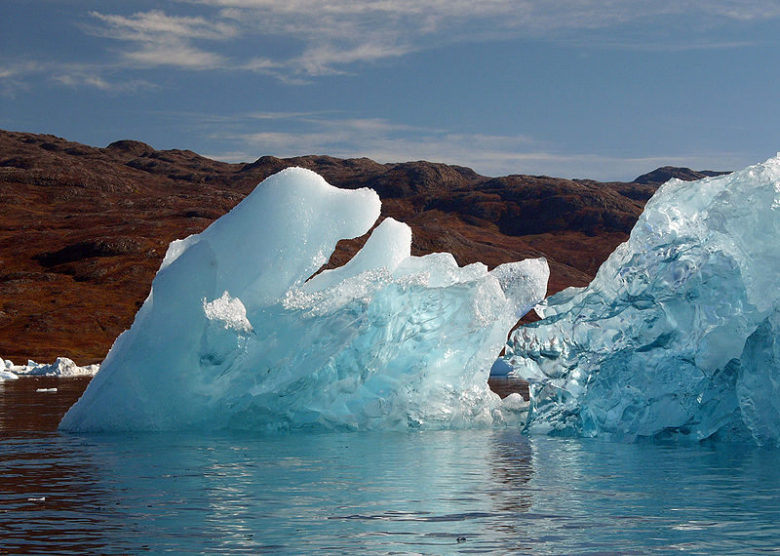
Melting ice in Greenland (Photo: Hannes Grobe / Wikimedia Commons [CC BY-SA 2.5])
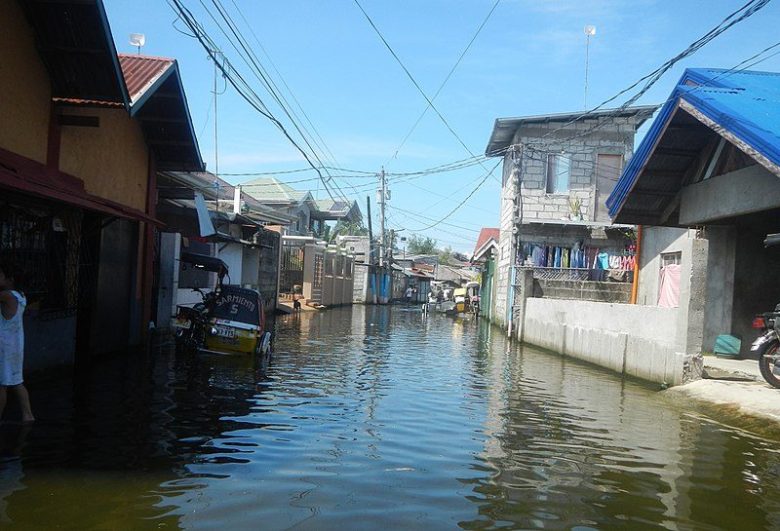
4th: Bangladesh and India: Record floods cause immense damage
Record flooding was observed in 2020 along the Bay of Bengal, centered on Bangladesh. In August, continuous monsoon rains left about one-third of Bangladesh underwater, affecting 5.4 million people. At the same time, similar flooding in neighboring India affected more than 14 million people; over 1,000 people died across both countries. These areas are prone to flooding due to geographic factors such as low-lying terrain, cyclone tracks, and monsoon effects. However, the recent catastrophic floods have been driven by deforestation and urbanization in upstream river regions and extreme weather due to climate change. In Bangladesh in particular, despite contributing only 1% of global greenhouse gas emissions responsible for climate change, the country is suffering severe impacts. Burdened by unfair trade with high-income countries and deep poverty, Bangladesh lacks sufficient funds to cope. Climate change could create 13.3 million internally displaced people by 2050, reflecting a “climate apartheid” structure in which high-income countries offload costs onto low-income ones.
Coverage
Asahi Shimbun: 1 article/144 characters
Mainichi Shimbun: 0 articles
Yomiuri Shimbun: 0 articles
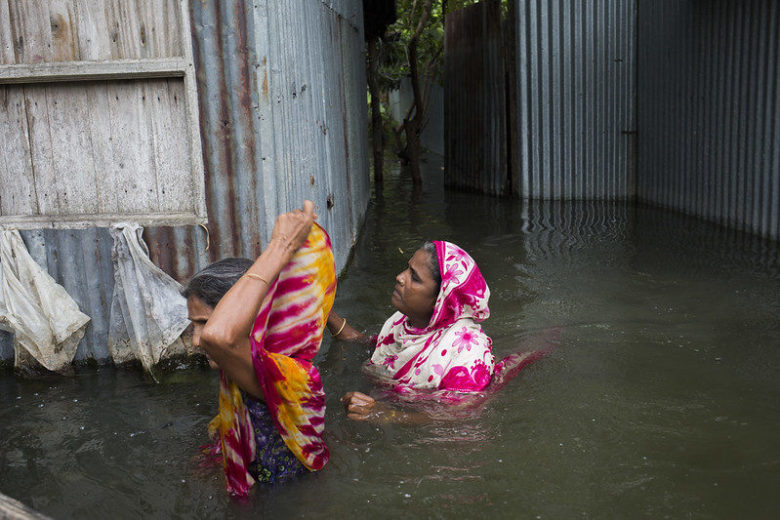
People walking through flooded areas in Bangladesh (Photo: Climate Centre / Flickr [CC BY-NC 2.0])
5th: World: About 500,000 newborns die due to air pollution
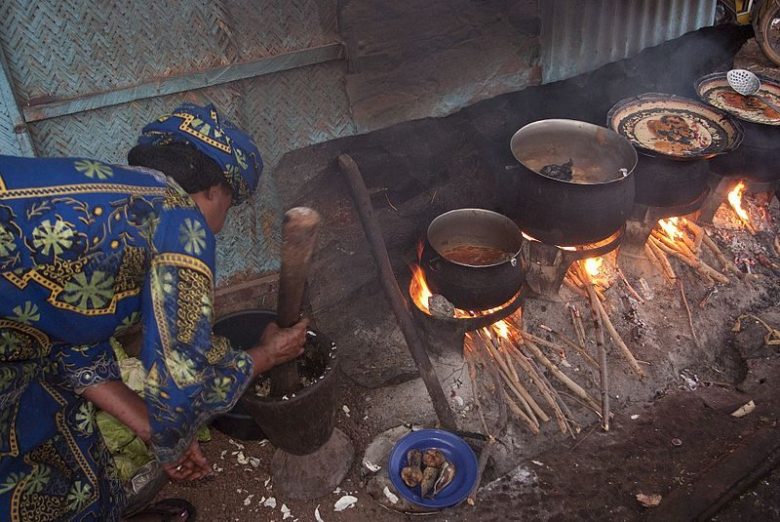
According to the 2020 edition of the State of Global Air report published annually by the Institute for Health Metrics and Evaluation (IHME) at the University of Washington, around 500,000 infants within the first month of life died worldwide in 2019 due to air pollution. Harmful air pollutants include PM2.5 and ozone from sources such as factories and vehicles, but nearly two-thirds of newborn deaths from air pollution are thought to be caused by household air pollution. When pregnant women and infants inhale harmful pollutants from solid fuels such as charcoal and wood used for cooking at home, it can cause low birth weight, preterm birth, and damage to the brain and other organs. Although access to electricity and natural gas has reduced household air pollution globally, in some low-income countries such as those in sub-Saharan Africa, solid fuels that pollute indoor air are still widely used, putting women and children—who spend more time at home—at risk. In 2019, air pollution was the fourth leading cause of death globally, killing about 6.7 million people. It is already clear that long-term exposure to polluted air increases the risk of diseases and deaths such as lung cancer and stroke not only for infants but also for adults. Despite growing warnings from scientists about the dangers of air pollution over the past five years, there are few signs of improvement.
Coverage
Asahi Shimbun: 0 articles
Mainichi Shimbun: 0 articles
Yomiuri Shimbun: 0 articles
6th: Africa: Debt crisis deepens
In African countries burdened by ever-rising debt repayments, they have been unable to adequately fund healthcare and public health, which should be a priority in national budgets. As of 2019, in 32 countries, budget allocations for debt service exceeded those for health, signaling a looming debt crisis. Since the 2008 global financial crisis, falling commodity prices and economic downturns have left many African countries unable to repay substantial debts; new borrowing has risen, and debt ratios in sub-Saharan Africa have surged. COVID-19 then created further challenges: in addition to pandemic response costs, the drop in demand for commodities dealt a heavy blow to economies. For example, Zambia, already burdened with US$12 billion in external debt, failed to make scheduled payments and in November became the first African country to default since the pandemic began. In response, the G20 decided in March 2020 to grant a one-year suspension of debt payments to the world’s 76 poorest countries, over half of which are in Africa. While this decision provided temporary relief, it does not solve the underlying problem. Many African countries and others are calling for an extension of the moratorium to include all debts—including private creditors—and for debt cancellation as well.
Coverage
Asahi Shimbun: 1 article/313 characters
Mainichi Shimbun: 2 articles/1,008 characters
Yomiuri Shimbun: 3.5 articles/3,906 characters
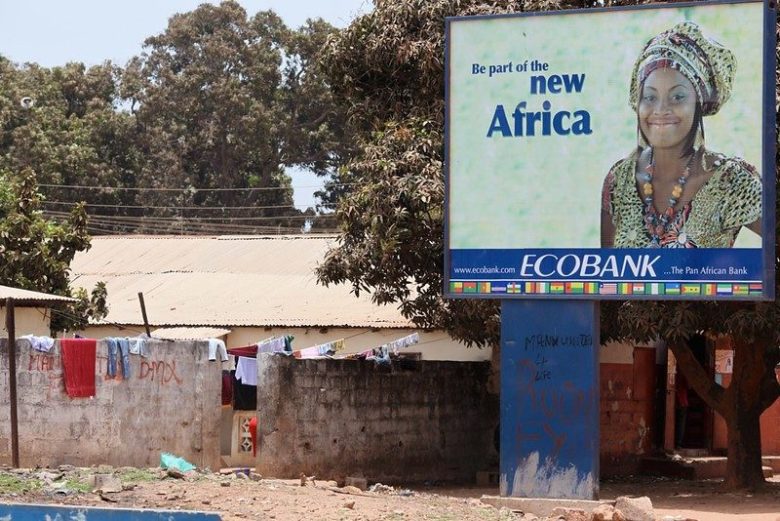
A faded bank advertisement. Will Africa be able to find the shape of the “new Africa” it envisions? (Photo: red hand records / Flickr [CC BY-ND 2.0])
7th: World: Desert locust swarms intensify food crises
Desert locusts that erupted in East Africa have spread around the Red Sea and further into Southwest Asia, severely threatening food security across regions by 2020. Desert locusts are known as “the world’s most destructive migratory pest”; a swarm of 150 million per square kilometer can consume in a single day the equivalent of food for 35,000 people as it moves. This has devastated farmland over vast areas and triggered food shortages. The impact is particularly severe in East Africa, where about 20 million people are in acute food insecurity. Somalia, estimated to be hardest hit, declared a national emergency in February 2020 in response to the locust crisis. As we also highlighted as the No. 3 hidden story in 2019, heavy rains striking East Africa create highly favorable conditions for locust breeding, and the situation has been worsening rather than stabilizing. After heavy rains and flooding returned in December in East Africa, new swarms were observed forming in Somalia, Kenya, and Ethiopia, and locusts that had moved into Uganda, Sudan, Egypt, Eritrea, Yemen, and Saudi Arabia were also confirmed to be continuing to breed. Swarms have also attacked croplands in parts of South America such as Argentina, keeping authorities on alert. The world’s food shortages are not caused by locusts alone. However, unless urgent measures are taken, desert locusts will continue to migrate and could trigger an even more severe food security crisis. Although coverage of this issue is the largest among the 10 events in this article, it is still insufficient relative to the scale of the problem.
Coverage
Asahi Shimbun: 7 articles/9,296 characters
Mainichi Shimbun: 7 articles/6,529 characters
Yomiuri Shimbun: 3.5 articles/6,868 characters
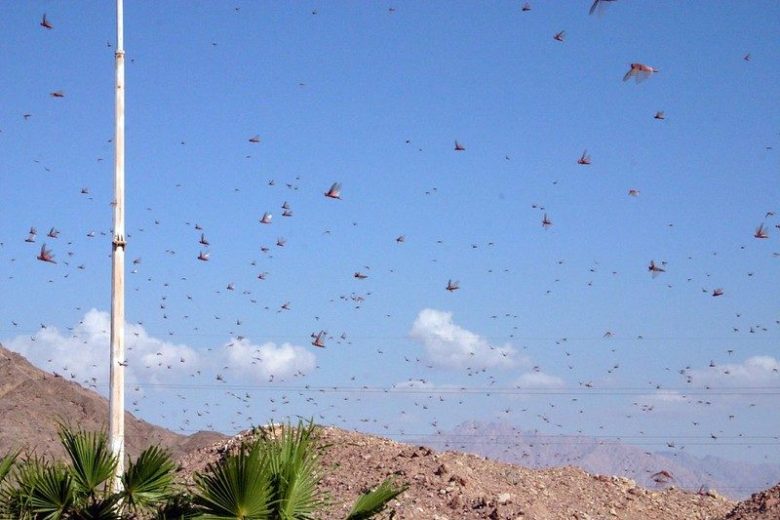
A swarm of locusts in Israel (Photo: Niv Singer / Flickr [CC BY-SA 2.0])
8th: El Salvador: Once the world’s highest, the homicide rate is halved
El Salvador, which had the world’s highest homicide rate in 2015, reduced its homicide rate by 51.3% year-on-year in the 12 months from June 2019 to May 2020, after President Nayib Bukele took office. Looking at the first half of 2020 alone, the rate fell an impressive 62.5% year-on-year. After the end of the civil conflict in 1992, amid weak governance and growing inequality and poverty, deported gangs from the United States expanded their power, violence became widespread, and by 2019 more than 450,000 people were forced to flee to other parts of the country or abroad. To address this situation, President Bukele has emphasized security policies such as strengthening prison security, increasing military and police patrols, and establishing educational centers for youth, and he has enjoyed high approval ratings. At the same time, several concerns surround politics under Bukele. First, the reasons behind the decline in violence are unclear. According to the International Crisis Group (ICG), the government and gangs may have struck informal deals that led gangs to decide to reduce violence themselves. There is no direct evidence of such deals, but previous research found that a truce reached through government–gang negotiations later collapsed, after which the homicide rate spiked in 2015; maintaining the current reduction in violence is therefore crucial. Second, there are concerns about how the government is pursuing violence reduction. The policies rolled out by President Bukele grant authorities leeway to use excessive force, and he even sent the military into the legislature to pressure lawmakers to approve financing for those policies—raising questions about the health of democracy.
Coverage
Asahi Shimbun: 0 articles
Mainichi Shimbun: 0 articles
Yomiuri Shimbun: 0 articles
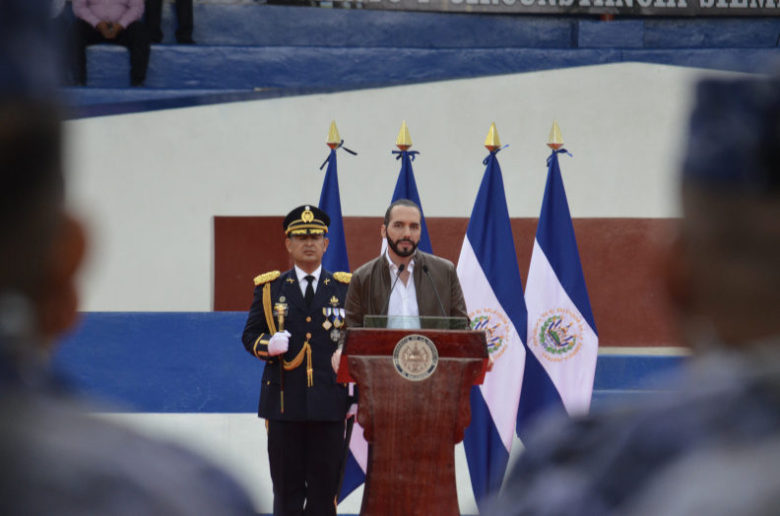
President Nayib Bukele (Photo: PresidenciaSV / Wikimedia Commons [CC BY-SA 4.0])
9th: Philippines and Vietnam: Strongest typhoons in decades make back-to-back landfalls
Beginning in early October 2020, multiple typhoons made landfall in the Philippines and Vietnam. Three major storms—Molave, Goni, and Vamco—struck in succession over three weeks from late October to late November, causing flooding and landslides in many areas. Molave, the earliest of the three, made landfall in late October in the Philippines and Vietnam, leaving in Vietnam alone 174 people dead or missing and more than 40,000 displaced; damage to power, roads, sanitation facilities, and other infrastructure affected millions and it was described as “the worst typhoon in 20 years.” The subsequent, even stronger typhoons Goni and Vamco quickly followed, expanding the damage. Vamco left 239 people dead or missing in Vietnam and 80 in the Philippines combined. When Vamco made landfall, 12-meter-high floods in the Cagayan Valley north of Manila inundated tens of thousands of homes, and across the Philippines more than 140,000 houses were reported damaged or destroyed. The increasing frequency and intensity of typhoons in recent years not only hinder recovery for affected communities, but also economically impoverish those working in agriculture and fisheries, sectors especially hard hit. Unpredictable extreme weather and sea-level rise are also increasing flood risks from typhoons and other storms. As with the major stories at ranks 1, 3, 4, and 7, climate change is an inseparable factor here as well.
Coverage
Asahi Shimbun: 0 articles
Mainichi Shimbun: 2 articles/440 characters
Yomiuri Shimbun: 0 articles
The Philippines after Typhoon Goni struck (Photo: Judgefloro / Wikimedia Commons [CC0 1.0])
10th: Indonesia: Mass protests against revisions to 79 laws
On October 5, 2020, Indonesia’s parliament passed an omnibus bill revising 79 laws aimed at creating jobs and promoting foreign investment. However, protests by labor unions and environmental groups rapidly spread across more than 36 cities, and hundreds were arrested. Prior to passage, large-scale protests had been held multiple times, including in January, and with around 32 labor unions calling a nationwide strike from October 6 involving some 2 million workers, the vote—initially scheduled for the 8th—was moved up. The protests stem from concerns that revising 79 existing laws under the omnibus bill will undermine workers’ and Indigenous peoples’ rights and lead to environmental destruction in the name of job creation and foreign investment. The revisions allow longer working hours and the expansion of outsourced labor, while significantly reducing minimum wages, severance pay, various allowances, and leave—thereby eroding workers’ rights. Protesters also warn of the destruction of tropical rainforests due to amendments to laws requiring provinces to maintain 30% forest cover, and that simplifying land acquisition processes will jeopardize Indigenous land rights.
Coverage
Asahi Shimbun: 0 articles
Mainichi Shimbun: 2 articles/440 characters
Yomiuri Shimbun: 0 articles
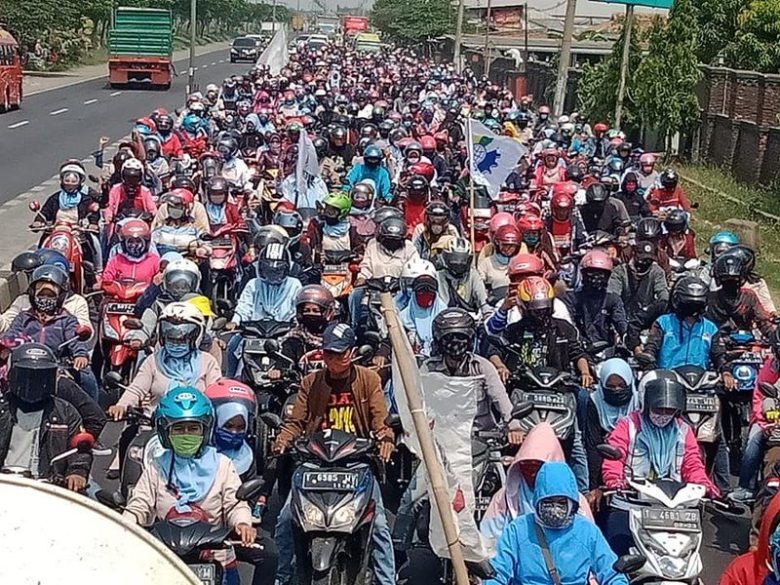
A nationwide strike against the omnibus law (Photo: IndustriALL Global Union / Flickr [CC BY-NC-ND 2.0])
The ten items above were selected as the hidden major news stories of 2020. Behind the heavily reported events such as the COVID-19 pandemic and the U.S. presidential election, many other significant events unfolded. As you have seen, many of these major stories are affected in some way by the worsening of climate change. In December, UN Secretary-General António Guterres warned strongly that humanity’s current “war on nature” is “suicidal,” calling for action. Can the world—and humanity—stop this “suicide”? GNV will continue to cover climate change and provide information that major media do not report.
※1 In selecting the rankings, we evaluated multiple criteria such as the amount of coverage, the scale of impact, and the magnitude of change in 2020. We included not only events and phenomena that occurred in 2020, but also items whose significance became clear in 2020 even if they began earlier.
The specifics are as follows. We divided the world into six regions (1) East, South, and Central Asia; (2) Southeast Asia, the Pacific, and the Indian Ocean; (3) the Middle East and North Africa; (4) sub-Saharan Africa; (5) Europe; and (6) the Americas. We then selected four items from each region and six global (non–region-specific) items, for a total of 30 underreported topics. Each item was scored on five criteria on a three-point scale: (1) lack of coverage, (2) cross-border nature, (3) number of people affected, (4) degree of impact on systems such as politics, economy, and security, and (5) novelty. Because this ranking emphasizes overlooked topics, we doubled the weight for (1) lack of coverage. Based on the results, we narrowed the list from 30 to 10 and determined the final order through editorial discussion. Coverage was tallied from January 1, 2020, to December 15, 2020.
※2 To measure coverage, we used the online databases of three newspapers: Asahi Shimbun (Kikuzo II), Mainichi Shimbun (Maisaku), and Yomiuri Shimbun (Yomidas Rekishikan).
We counted an article toward coverage only if the topic was the main theme of the article. If a topic was mentioned only briefly, it was not counted.
For example, regarding item No. 5 (“About 500,000 newborns die due to air pollution”), articles on air pollution that did not address health impacts were not counted here.
If one article treated two topics as main themes and one of them matched our subject, it was counted as 0.5 of an article.
※3 The Yemen conflict is sometimes described by major media as a “civil war,” but in reality multiple actors with their own agendas are involved: Saudi Arabia supports the Yemeni government and has intervened militarily; the UAE supports the STC and participates in the Saudi-led coalition; and Iran is said to support the Houthi movement (which attacks not only in Yemen but also in Saudi Arabia). It is therefore not necessarily accurate to consider it solely a “domestic war” within Yemen, a point to keep in mind.
Writer: Yumi Ariyoshi









_of_Typhoon_Goni_(2020)_in_Santa_Lutgarda,_Macabebe_27.jpg)
待っていました!
日本のメディアが報道しないのに、どうみても重要なニュースばかりです。
できるだけ多くの人に見てほしいです。
今年はコロナ関連のニュースばかりでしたが、それに埋もれてしまった世界の問題・現象について詳しくまとめられていて、とても勉強になりました!
日本のメディアがこんなにも大規模な問題や出来事を報道していないというのは驚きでした。勉強になりました。
とにかく知らない事実が多くあることに衝撃を受けました。情報を得る手段が報道であるからこそ、潜んだニュースに対して目を向け知ることが大切だと感じます!評価方法も丁寧でわかりやすいです!
このテーマを毎年年末楽しみにしています。国際ニュースがコロナとアメリカ大統領選挙で埋め尽くされる中で、世界ではこれだけ深刻な出来事が起きていたことが良く分かりました。
気候変動など地球規模で重大な問題が起きているにもかかわらず、知らないことばかりでした。
個人的には、エルサルバドルのニュースが興味深かったです。
自分で情報を取りに行くには、少々時間がかかるので、このようにまとめてくださるととても助かります。
どれも重大なものなのにどうして報道されていないのか、改めて日本のメディアの問題、矛盾に気付かされた。この記事が報道機関に届けばいいなと思う。
報道量の偏りに問題意識をもち、メディア業界への就職を目指している大学2年生です。GNVのようなメディアが成り立たない社会なのではないかと思っていたので、報道量や選択基準を明確にした限りなく客観的な報道に近づくランキング付けを見て本当に感動しました。この取り組みを将来主要メディアに反映できるようにまだ自分が何が出来るかわかりませんが、あらゆる世界の事象に関心を持ち続けていこうと思いました。