
Since the first half of 2020, the novel coronavirus (COVID-19) has spread worldwide and had various impacts. Its effects have reached even the economies of Africa. African countries had long faced severe poverty, and their debt repayments had already reached a critical point. The pandemic has further worsened this already difficult situation. In March, African countries led by Ethiopia issued a document calling for debt reduction and restructuring. In response, the G20 decided to grant a one-year suspension of debt repayments to 76 of the poorest countries, many of which are in Africa.
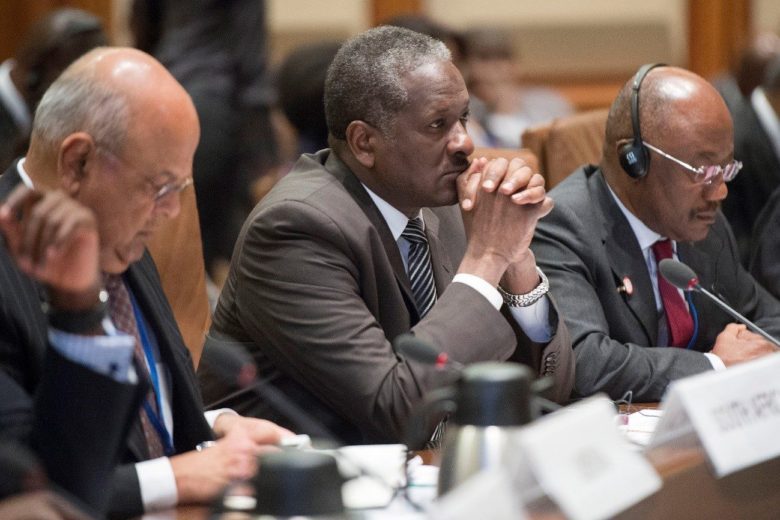
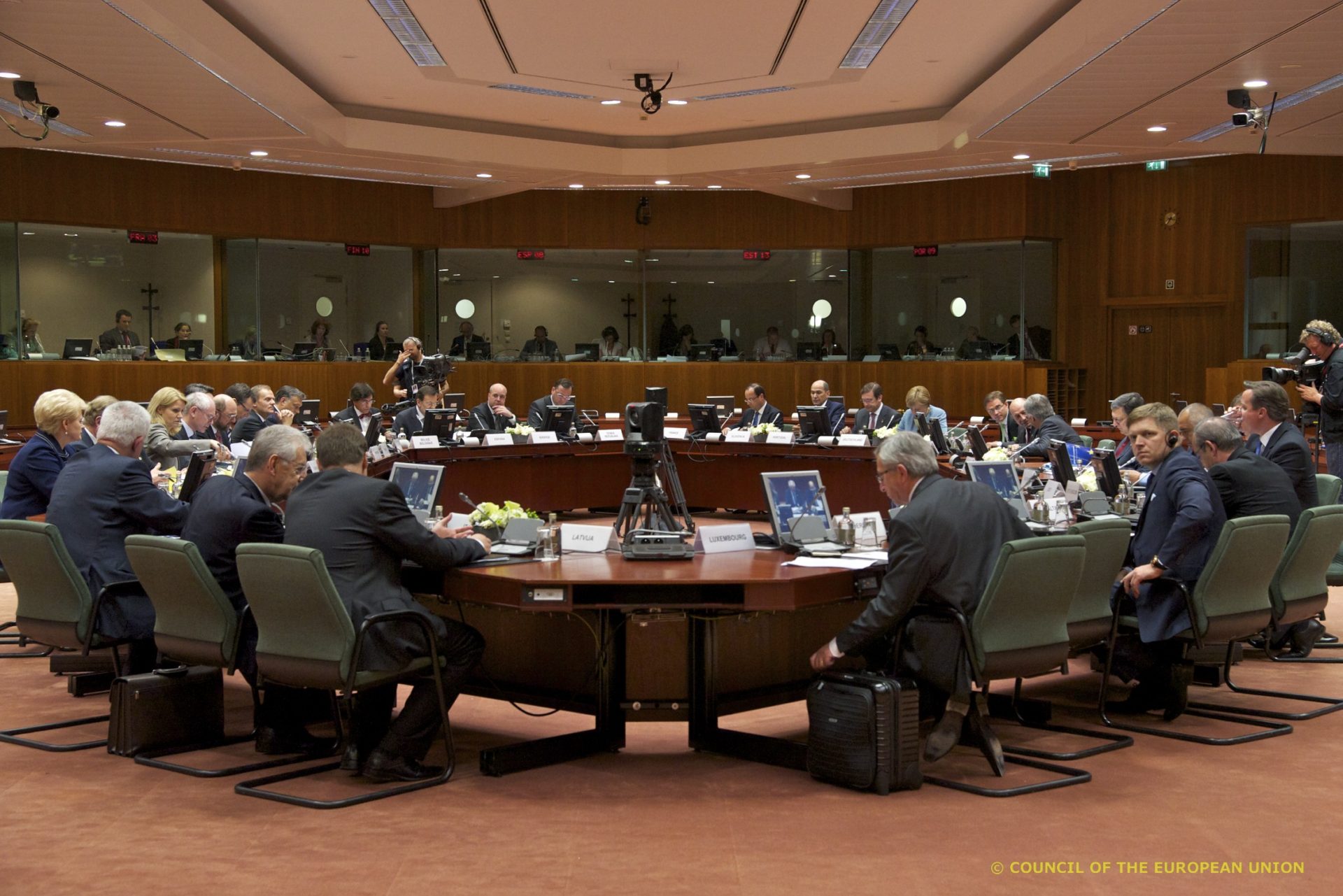
IMF African Consultative Group (Photo: IMF / Flickr [CC BY-NC-ND 2.0])
But will this alone put Africa’s debt problem on the path to resolution? Why did these countries come to accumulate so much debt in the first place, and why are repayments so burdensome? This article explores these questions.
目次
Background and causes leading up to the current debt crisis
African countries, which gained independence one after another in the 1960s and were showing economic growth, saw a sudden shift with the oil crisis that occurred in the 1970s. Triggered by the 1973 Middle East war, the oil crisis caused a sharp rise in oil prices, placing a heavy burden on oil-dependent businesses and consumers and dealing a blow to African economies. The recession in high-income countries caused by the oil crisis also reduced demand for natural resources produced in Africa, further harming African economies. These factors reduced government revenues in Africa. In addition, Middle Eastern and other countries that profited from higher oil prices deposited vast sums in banks in high-income countries, and those banks aggressively promoted loans. In the midst of the Cold War, governments in high-income countries, eager to bring African nations into their camp, guaranteed those loans through their own banks and lent massive amounts to the authoritarian regimes then ruling many African countries, regardless of their ability to repay. African governments, struggling with revenue declines due to the oil crisis, borrowed as encouraged and ended up with enormous debts.
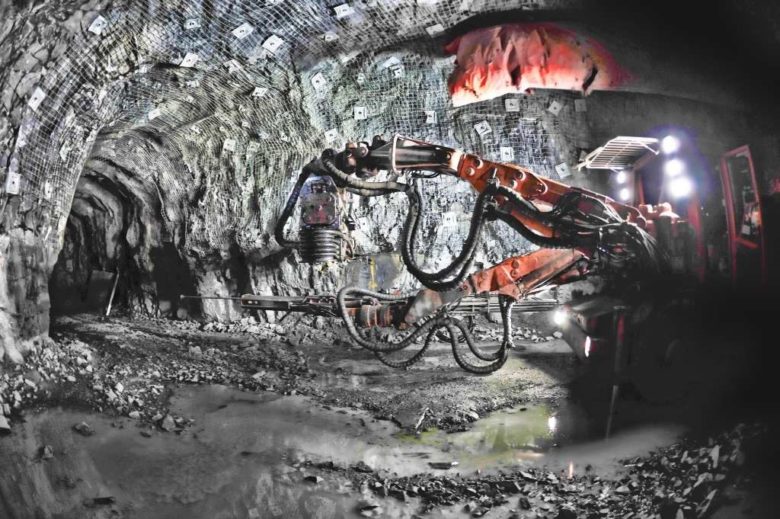
Underground gold mining in Mali (Photo: Dave Dyet/Flickr[CC BY-NC 2.0])
In the 1980s, global interest rates rose following high interest rate policies in the United States, and African countries fell into debt crises one after another. According to the NGO Jubilee Debt Campaign, which works on global debt issues, a debt crisis refers to a situation where “debt takes priority over human lives themselves or leads to violations of human rights.” In response to the excessive debt in Africa, the World Bank and the IMF implemented policies known as Structural Adjustment Programs (SAPs). As conditions for new loans or lower interest rates, these policies imposed strict fiscal austerity, trade liberalization, and the promotion of privatization of state-owned enterprises. However, the UN Economic Commission for Africa (ECA) criticized these measures for leading to sluggish domestic investment, increased unemployment among civil servants, and the abandonment of the poor, and announced an alternative plan. In practice, spending cuts on education and health due to austerity ultimately accelerated impoverishment.
Following the failure of these structural adjustment programs, the World Bank and IMF established the Heavily Indebted Poor Countries (HIPC Initiative) (※1) in 1996, carried out debt relief, and reduced low-income countries’ debt service burdens. Furthermore, in 2005 the Multilateral Debt Relief Initiative (MDRI) (※2) was launched. Through HIPC and MDRI, 37 countries, including many in Africa, had more than $100 billion of debt resolved.
That same year’s G8 summit placed the debt issues of low-income countries on the agenda. Citizen movements gained momentum across several countries in tandem with the summit, including marches in the host city calling for debt cancellation and the Live8 concerts held in eight cities worldwide to demand wiping out Africa’s debts. The momentum from these movements also added pressure, and ultimately the G8 approved 100% cancellation of debts owed by 14 heavily indebted African countries to the IMF, the World Bank, and the African Development Bank.
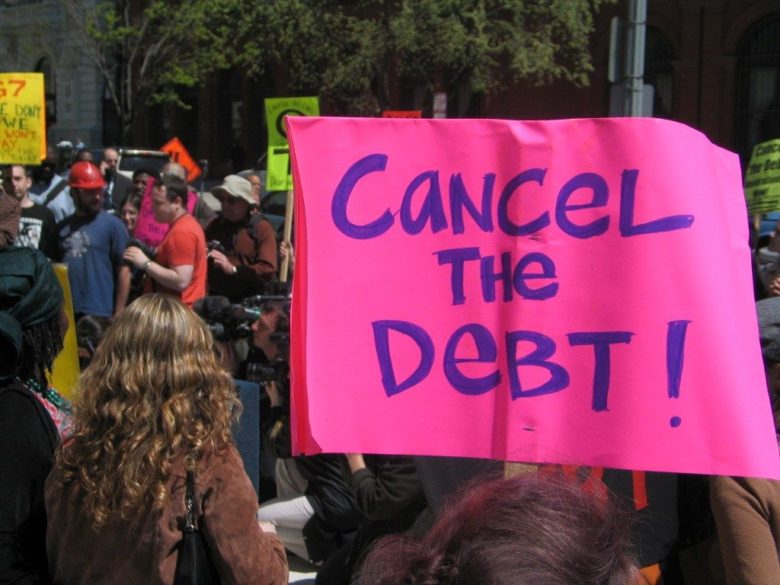
People marching with “Debt Relief” signs in front of the U.S. Department of the Treasury in 2005 (Photo: Friends of the Earth International[CC BY-NC-ND 2.0])
Why Africa’s debt has once again reached a critical situation
From the developments so far, various measures have been taken regarding Africa’s debt, and at first glance the problem may seem to be moving toward resolution. So why are African countries once again struggling with debt today?
There are several causes. The first is the financial crisis triggered by the 2008 bankruptcy of Lehman Brothers. The rapid economic downturn that began in the United States spread worldwide and brought recession to Africa as well. Demand for exports from Africa, foreign direct investment, tourism, remittances from migrant workers, and development assistance all declined. At the same time, lending from high-income countries to African nations increased. To respond to the financial crisis, banks in high-income countries lowered interest rates, and the U.S. Federal Reserve implemented quantitative easing, which pushed rates down even further. Lower interest rates made borrowing easier, and as a result, African countries’ borrowing increased. Additionally, as governments in Africa sought to weather the financial crisis by increasing public spending, their debt problems became even more serious.
The second cause is that African countries invested heavily in infrastructure. Due in part to long histories of colonial rule, infrastructure levels in Africa have historically lagged far behind those of high-income countries, creating an infrastructure gap. To close this gap, African governments increased investment in infrastructure development, financing much of that increase through debt.
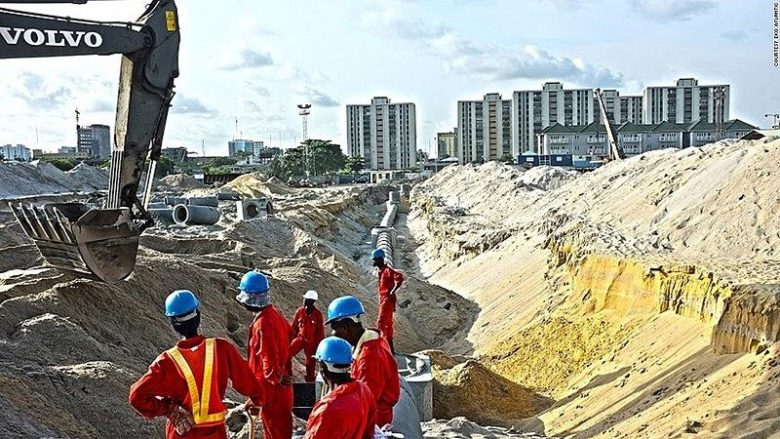
Civil engineers building a road in Nigeria (Photo: Stanley 2321/Wikimedia[CC BY-SA 4.0])
The third cause is the global decline in commodity prices and markets since 2014. Due to the slowdown in China’s economy and the shale gas revolution in the United States, prices for commodities such as oil and industrial metals fell. This price decline reduced revenues for countries that export these commodities. In addition, sharp depreciations in exchange rates caused debts denominated in foreign currency to balloon.
Then, the spread of COVID-19 in 2020 further accelerated the deterioration of the debt problem. Economic activity within the African continent dropped significantly. Massive sums have been poured into health care and economic measures, resulting in even more debt. The pandemic-induced fall in oil prices also worsened the debt situation. Major oil producers such as Nigeria, Angola, Gabon, and Algeria have been particularly affected. In Nigeria—where crude oil accounts for about 90% of exports and roughly one-third of government revenue—the national budget has been sharply cut and the naira has been devalued.
The specific state of Africa’s debt
To whom, and in what amounts, do African countries currently owe money?
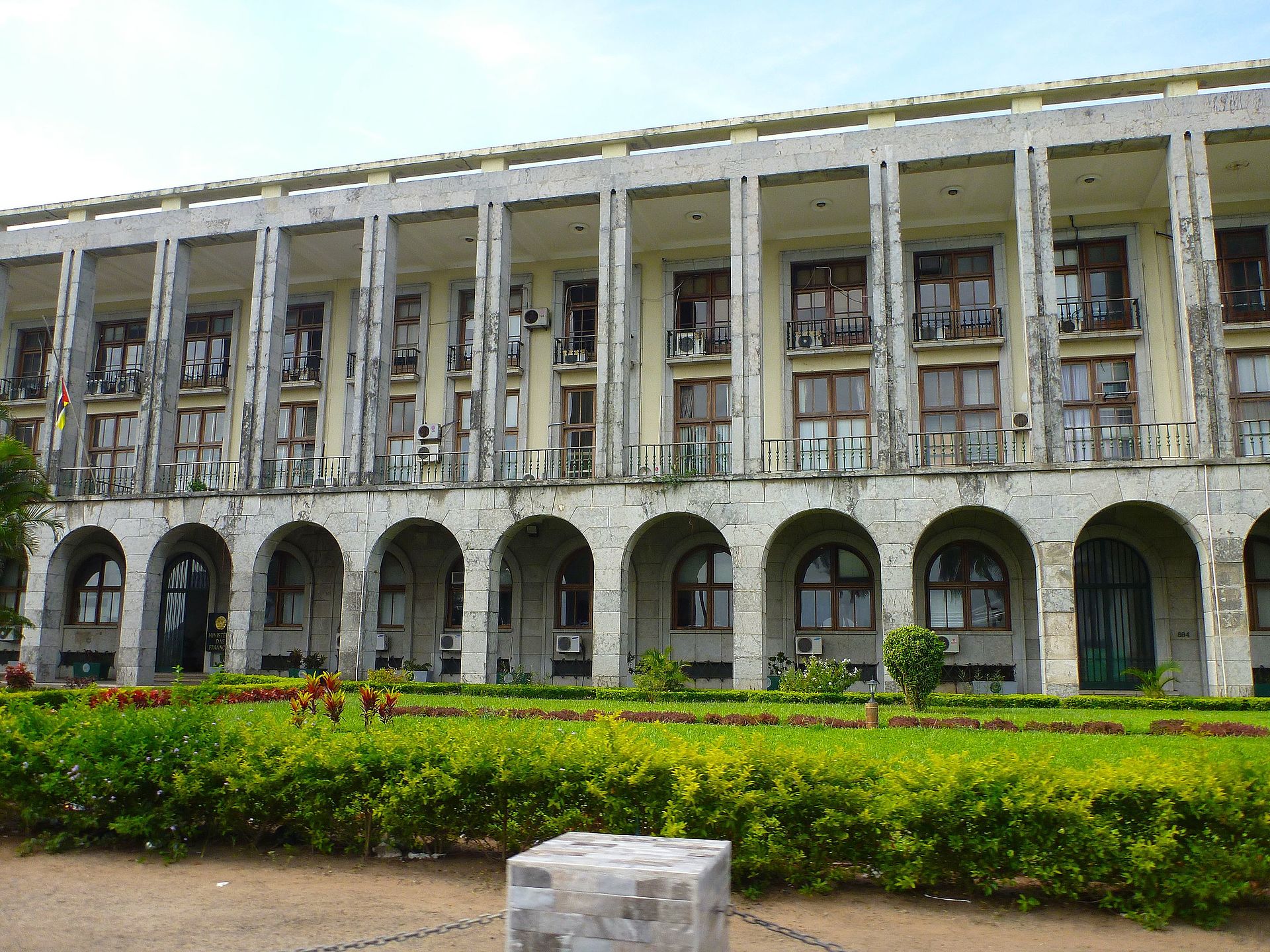
As of 2017, African governments’ total external debt was estimated at US$417 billion. Looking at the share of debt relative to GDP in African countries, as of 2019 the figure is particularly high in countries such as Eritrea (184.7%), Cabo Verde (132.4%), Angola (132.2%), Mozambique (125.4%), the Republic of the Congo (119.9%), and Zambia (109.8%). In terms of what share of government budgets is devoted to debt service, as of 2017 the figure was about 12%, double the 6% figure from 2010. Moreover, in many African countries, spending on debt service exceeds spending on public health; as of 2020, 32 countries in Africa allocated more to debt service than to health care. This can rightly be called a debt crisis.
So, to whom is this debt owed? The breakdown of Africa’s external debt is 36% owed to multilateral institutions such as the World Bank and IMF (funded mainly by contributions from high-income countries), 32% to bilateral creditors (of which 20% is to China), and 32% to private creditors.
Let’s look at the debt composition of several African countries at risk of debt distress. In Chad, 49% is owed to private creditors, 24% to multilateral institutions, and 8% to China—roughly half is to private creditors. In Djibouti, 68% is owed to China, 20% to multilateral institutions, and 0% to private creditors—meaning a very large share is owed to China. By contrast, in The Gambia, 71% is owed to multilateral institutions, 6% to private creditors, and 0% to China—most borrowing is from multilateral institutions. The counterparties to which debts are owed vary greatly by country and region.
Toward solving the debt problem
What measures are available to solve Africa’s debt problem, and how effective might they be?
One approach is the moratorium on debt repayments decided by the G20 in April 2020. This measure allows heavily indebted countries to temporarily avoid allocating budgets to debt service and focus on rebuilding their economies. Another option is to inject funds into heavily indebted countries to stimulate their economies. However, these are only temporary fixes; it is unclear how much time and money will be needed to restore economies that have fallen into debt crises, and these measures will not lead to fundamental solutions. Furthermore, the measure applies only to the G20 and has no binding force over banks or private companies. Debt cancellation or forgiveness is another possible route, but it implies an inability to repay and can lead to the loss of a country’s creditworthiness—making it difficult to borrow in the future. In addition, active obstacles to cancellation include predatory vulture funds that buy distressed debt cheaply and pursue full repayment in order to extract even more money from countries that have defaulted.
For a long-term, fundamental solution to Africa’s debt problem, it is necessary to resolve the system that forces Africa to borrow—namely, global inequality. If we add up all inflows and outflows—trade, investment, debt and debt service, remittances from migrant workers, and official development assistance—more money leaves Africa than enters it. Major causes include illicit financial flows generated by tax avoidance via tax havens during import/export transactions, and the existence of unfair trade for African countries. Solving these problems is indispensable.
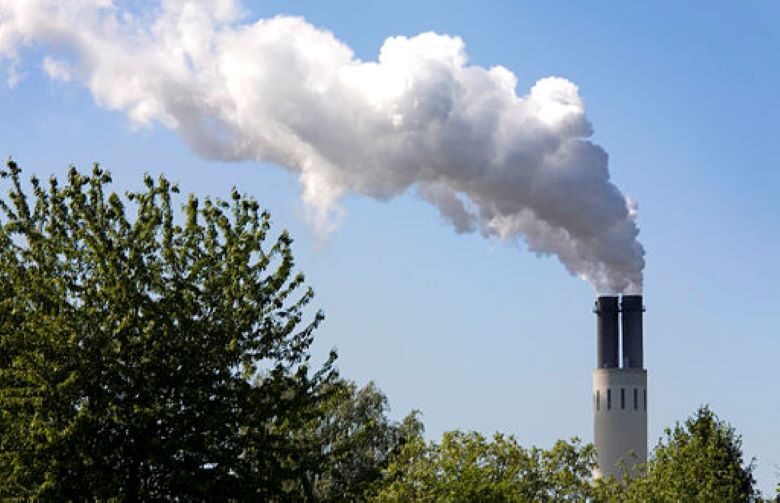
There is also the issue of climate change. The climate change occurring today is mainly caused by greenhouse gases emitted by high-income countries. Nevertheless, low-income countries such as those in Africa bear the brunt of natural disasters caused by climate change. This leads to a phenomenon known as “climate apartheid” (※3), which widens the wealth gap and worsens debt.
The current debt situation is not fair, and it is ethically problematic in that repayment is prioritized over human life. As one option, it has been proposed to refuse debt service in order to invest in medical care and public health.
These structural problems that have caused African countries to suffer under massive debts cannot be solved overnight. However, because lending is based on an assessment of repayment prospects, responsibility lies not only with the “borrowers” but also with the “lenders.” Fundamental solutions therefore require countries on both sides to engage proactively with this issue. If we end with the temporary measures currently in place rather than seeking more far-reaching solutions—across countries, and across the public and private sectors—the deep-rooted debt problem plaguing African countries will not be resolved.
※1 Initiative for Heavily Indebted Poor Countries (HIPC Initiative). A scheme under which heavily indebted countries struggling with debt repayment can receive debt relief by meeting certain conditions and committing to and demonstrating progress on policy changes for poverty reduction. Currently 40 countries are eligible or potentially eligible for support.
※2 Abbreviation of The Multilateral Debt Relief Initiative (MDRI). Within the HIPC framework, this scheme provides full debt relief for countries that qualify.
※3 A phenomenon in which the capacities of the rich and the poor to respond to various problems caused by climate change differ, thereby widening existing wealth disparities.
Writer: Hisahiro Furukawa
Graphics: Hisahiro Furukawa






理想論ではあるかもしれませんが、アフリカ諸国における負のサイクルをなくすためにも、最低限の人権を守った上で行動することが当たり前の世界になっていって欲しいと思いました。
Live8というものを知らなかったのですが、コンサートとはどういうものなのでしょうか?
1980年代にエチオピア飢餓への支援を呼びかけた有名なLive Aidコンサートの続きといってもいいのかもしれません。G8に行動を起こさせるという意味で「8」がつけられたものです。コンサート中に「債務の帳消しを!」的なスローガンも電子看板で流れるなど、啓発活動も含まれていました。欧米の複数の都市を中心に(ヨハネスブルグもあったが)、数多く(1千以上)の有名なバンド・歌手たちが参加したものです。Youtubeにもその様子が見れます:https://www.youtube.com/channel/UCckKR1kDbRKXJArtGYh6drQ/videos
3点質問です。
❶アフリカ諸国への貸付の主体が他の国の中で中国だけ多くなっているのはなぜでしょうか?
加えて、債務構成をみると、中国以外の国が主体となる貸付は割合的にはすごく少ないように感じます。そこで、g20の猶予は本文中にもありましたがそれほど効果がなさそうです。
そこで
❷多国間組織や民間の債権者の持つ債権に関してこの問題を解決する方法はあるのでしょうか?
❸債務の免除をすると信用に関わり借り入れを今後できなくなるという話もありましたが、国外からの借り入れ自体は悪いことではないのでしょうか?
横からすみません。
① 貸付の主体として中国が多くなっている背景には借りる側の都合も貸す側の都合もあります。借りる側としては、中国は他の国・組織に比べて低金利のものが多く、ローンが降りるまでの待つ・審査の期間が短いのです。貸す側としては、中国はアフリカを天然資源の入手先としても、製造品の輸出先としても重要視しており、友好関係を作り上げることも国際政治上の味方を増やす狙いもあるでしょう。
G20の猶予についてですが、G20にはIMF・世銀の主要メンバー(欧米・日本など)も中国も含まれているので、民間債権者以外のローンの大半はカバーされているはずです。一時的な猶予では、問題の根本的な解決策にはなりませんが。
② ①の答えにもありましたように、多国間組織(IMF・世銀)はG20の決定で含まれているので、ポイントとなるのは民間の債権者です。その中にいわゆるハゲタカファンドも含まれたりしていることもあり非常に難しいでしょう。G20各国が自国に所属するそれぞれの民間企業・銀行のローンを保証するなどと決めたら解決できそうですが、現実問題として可能かどうか、G20各国がそこまでするのかも不明瞭ですね。
③ 国外から借り入れ自体は悪い話ではないのでは?実際に、インフラなどのために資金は必要となったときに国内で調達できなかったら国外から求めるというのはありでしょう。開発に役立つことは考えられるでしょう。ただ、返済能力も、低金利かどうかなどの問題もあります。しかしなんといっても、記事の最後のほうにあったように、いろんな意味でアフリカが非常に不利な世界の経済システムが変わらない限り、この問題は繰り返し発生してしまうでしょう。
「債務危機」ということばを聞いて、「借金を抱えている」という意味でしかとらえたことがなかったので、「債務が人命そのものよりも優先されたり、人権が否定されたりする状況を引き起こすこと」という意味を知り驚いたと同時に、現実と照らし合わせて納得しました。
また、アフリカの国々にお金を貸していた国・銀行は、猶予を付けたり、借金をなしにするという施策が実行されることで、逆に、どのくらいマイナスの影響を受けるのか気になりました。
国内の資源の豊富さなど、アフリカ諸国間においても格差が生まれてしまっているのではないかと思いました。実際に人命や人権を守るためにはどのような行動をとることができるのか考えさせられました。
GDPに対する債務の割合が100%を超えていて、その深刻さがわかりました。
貸す側に責任があるのももちろんで、さらに国際的な格差という解決の道のりが長いものが根本的な原因なので、なかなか解決は難しそうです。
まずは高所得国による低所得国の搾取や不法資本流出を止めなければ、債務問題はいつまでも続くと感じました。
私たち日本人も、低所得国の人々の『貧しさ』を利用して快適に暮らしていて、その結果の一部としてこの現状があるということを認識しなければいけないと思いました。
債務国の割合が国によって全然違うことと、3国の平均で見ると、多国間組織、民間企業、中国の割合に大差ないことに驚きました。中国からの債務のイメージが強かったです。