
GNV News – April 1, 2026
In Southeast Asian countries, there has been an increase in air pollution caused by forest and agricultural land fires in the region. The number of fire hotspots in Indonesia and Malaysia reached 825 in March 2026, the highest level in the past seven years. The increase in fires has been detected by satellite systems, and both slash‑and‑burn land clearing by farmers and dry climate conditions are cited as contributing factors.
Throughout March 2026, below‑average rainfall was reported in parts of Indonesia’s Sumatra and Kalimantan islands, as well as in Johor, Sarawak, and Sabah states in Malaysia. According to forecasts, these conditions may persist until mid‑2026, and the rising probability of an El Niño event (*) is expected to contribute to a prolonged dry period. Separately, in some areas, land clearing using fire has continued despite existing legal restrictions.
In Indonesia, an increase in fire activity has been confirmed, with about 2,713 hectares of land burned in Riau Province between January 1 and March 24, 2026, and the number of fires has doubled compared with the same period in 2025. As a result, the Indonesian Agency for Meteorology, Climatology and Geophysics has projected a 50–60% probability of El Niño occurring in the second half of 2026. Riau Province has declared a state of emergency regarding forest and agricultural land fires from February to November 2026.
In Malaysia as well, several regions have seen below‑average rainfall. In Sarawak, precipitation has been up to 210 mm lower than usual, and in Johor and Sabah, persistent dry conditions have been reported. These conditions increase the likelihood of fires, and in peatlands in particular, fires can smolder underground for extended periods. Seasonal forecasts indicate that this drying trend may continue until the middle of the year.
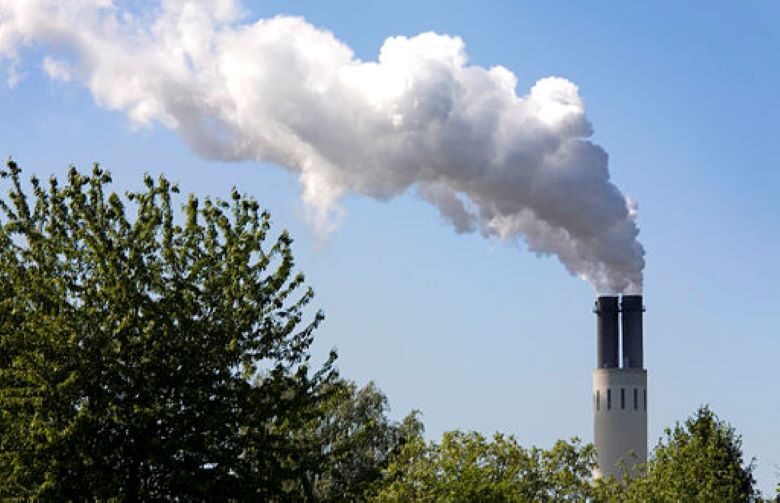
In Singapore, secondary impacts linked to fires in neighboring countries have been observed. According to the National Environment Agency, transboundary haze from forest and peat fires in the region has contributed to the recent hazy air conditions. Medical facilities have reported an increase in haze‑related cases, and in some places the number of patients has risen by up to 20% over the past three months of 2026.
Across the region, efforts to manage forest and agricultural land fires are ongoing, including satellite monitoring and awareness‑raising activities to curb slash‑and‑burn land clearing. In Indonesia, legal measures have also been introduced, such as prison sentences of up to 15 years for intentional burning. However, due to the characteristics of peatlands, dry weather conditions, and enforcement constraints related to fires, fires and transboundary haze continue.
* El Niño is a periodic climate phenomenon in which sea surface temperatures in the central and eastern tropical Pacific Ocean become higher than average. It does not occur every year.
Learn more about El Niño and fires in Southeast Asia → “The Harmful Impacts of El Niño”
Learn more about the health impacts of air pollution → “Air Pollution: The World’s Leading Cause of Death?”

Forest fire in Ambon, Indonesia, 2016 (Photo: PUSDATIN Kementerian Dalam Negeri / Wikimedia Commons [Public domain])











0 Comments